In this article, I will discuss two books, one recent and one slightly older, by authors from different parts of the world, each approaching the medium differently, and how both have shaped my understanding of photographic language.
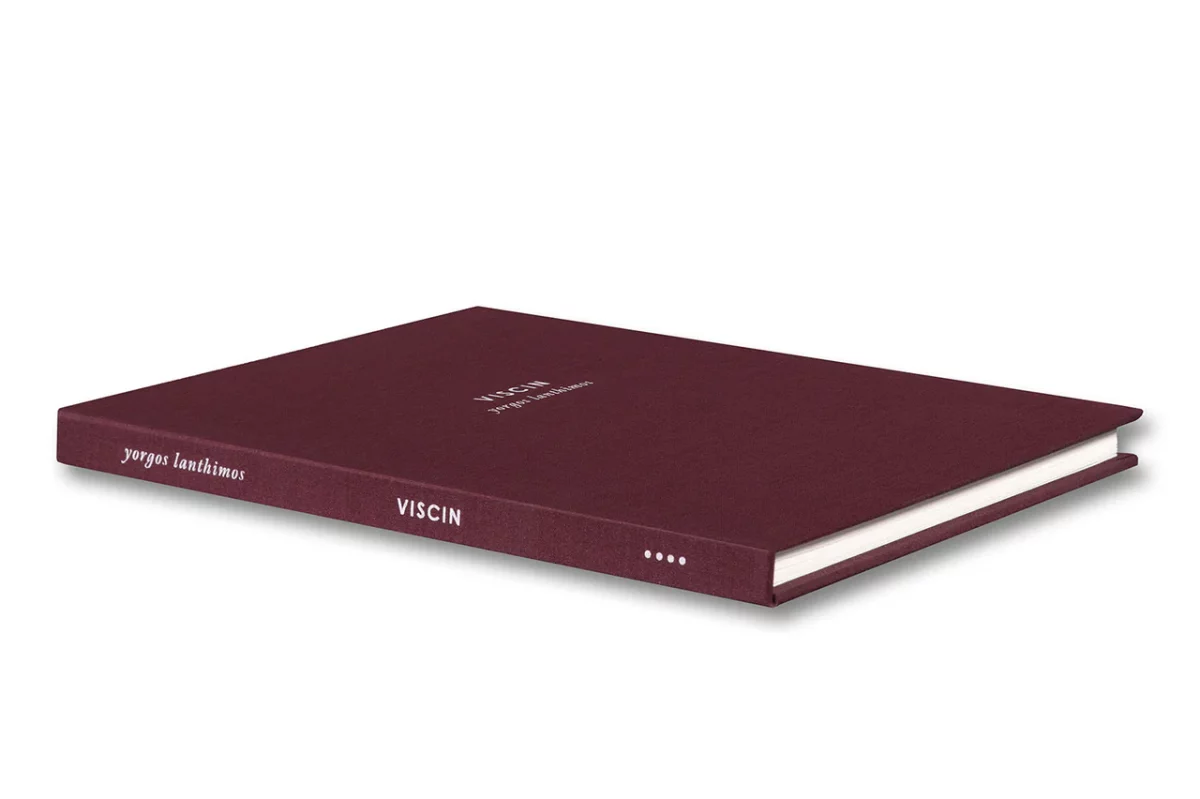
The first book I want to talk about is VISCIN, a recent publication by MACK, by Greek filmmaker and photographer Yorgos Lanthimos. While Lanthimos, through his films and now his still images, embraces abstraction and leaves the thematic elements of his work open to audience interpretation, the choice of VISCIN as a title carries layers of artistic intent that mirror his cinematic style. Before delving into the book, it is worth understanding Lanthimos’s process and the origins of his fascination with the photographic medium.
In his own words, Lanthimos says, “You can be alone, with a camera in your hand, and you can walk,” describing the basic gesture and freedom that often initiates his photographic process. For Lanthimos, photography did not begin as a deliberate artistic pursuit but rather as a technical necessity while making his films. Eventually, it evolved into a more liberating force, leading him to photograph his film sets and collaborate with Emma Stone, developing and printing his work in makeshift darkrooms.
For those familiar with his work, Lanthimos is renowned internationally for the singular cinematic universes of films such as Dogtooth, The Favourite, Poor Things, and, more recently, the Oscar-nominated Bugonia.
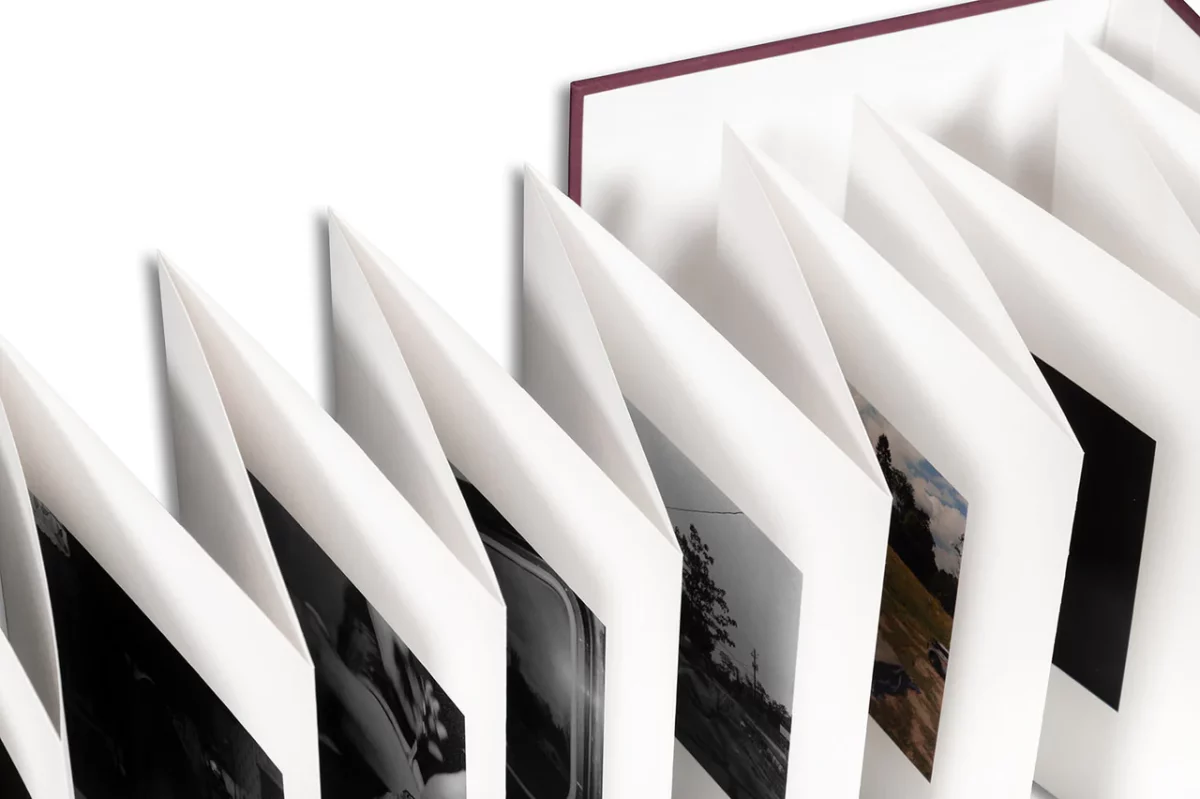
In his latest project and collaboration with MACK, VISCIN—a photobook drawn from images Lanthimos made while shooting his latest film, Bugonia—both Lanthimos and MACK find synergy in embracing ambiguity, abstraction, and the uniquely personal experience of perception. The book’s physical layout mimics the unspooling of a film reel. Its accordion fold, rather than a traditional binding, literally invites us to unfurl the story as we go.
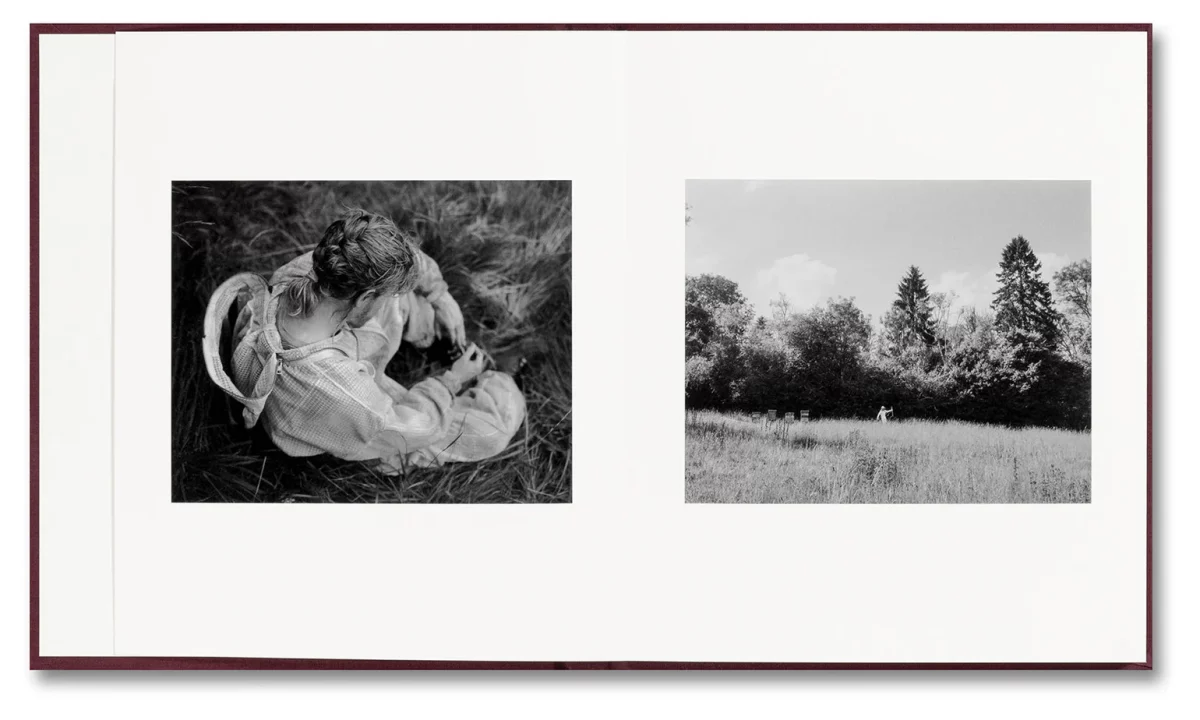
The book itself functions as a nonlinear narrative of mystery, illusion, violence, and rebirth. The title suggests a visual “stickiness”—images and psychological intensities that cling tenaciously to the viewer’s mind long after the pages are closed. The subject matter is varied: offbeat compositions, uncanny portraiture, evocative landscapes, and reflections. On this occasion, the photobook offers a sense of independence from filmmaking, functioning as a distinct art object in its own right. Lanthimos is not keen on resolving a narrative, and that is what makes the book so fascinating. Michael Mack describes it as a “borderless narrative” in which details outside the cinematic frame set the tone.
The images follow a sequence that moves from foreboding to violence to renewal, gradually transitioning from black and white to colour. The arc is not a plot in the traditional sense. It is closer to metamorphosis.
As someone deeply influenced by the ambiguity of images, the simplicity and mystery of VISCIN strike a chord with me. The minimal design, with every photograph in the book scaled to the exact same height, regardless of whether it is vertical or horizontal, makes the entire sequence read like a continuous, unspooled film strip. No two people may experience the photobook in the same way or read it in the same fashion. The unresolved nature of the book, which draws on Lanthimos’s work over the last four or five years, creates a distinctive and enigmatic new world—one only Yorgos Lanthimos could have built.
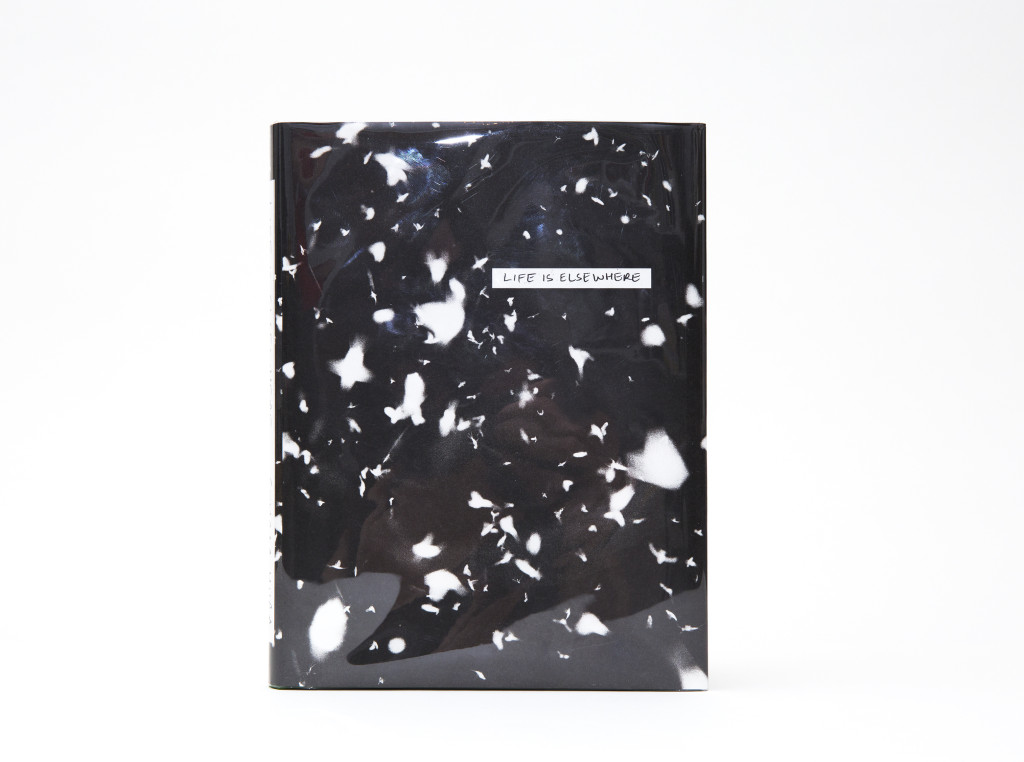
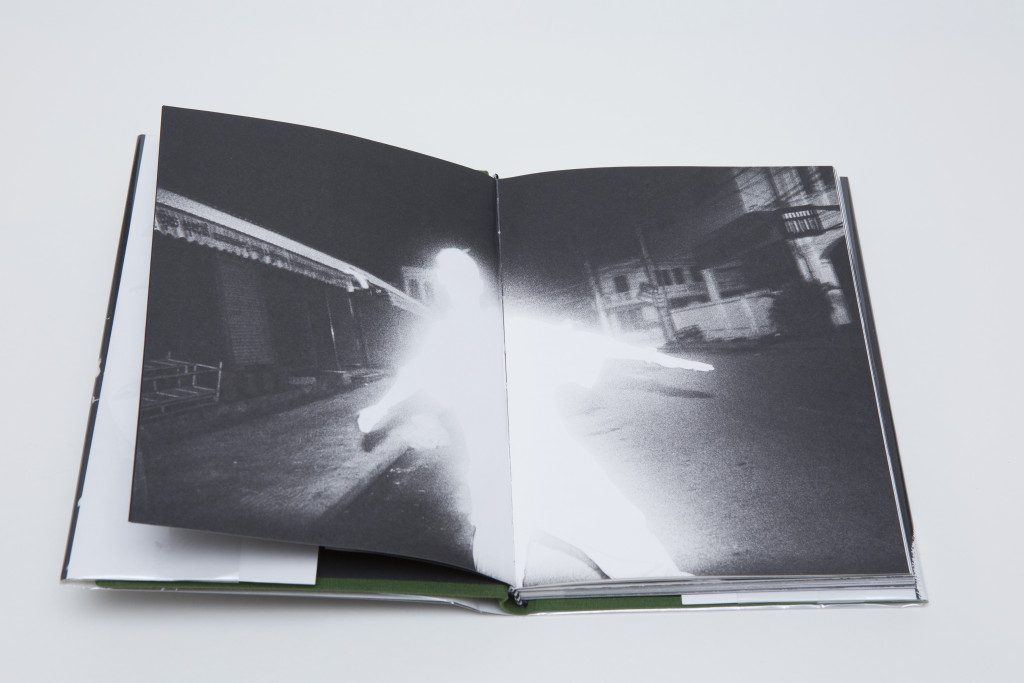
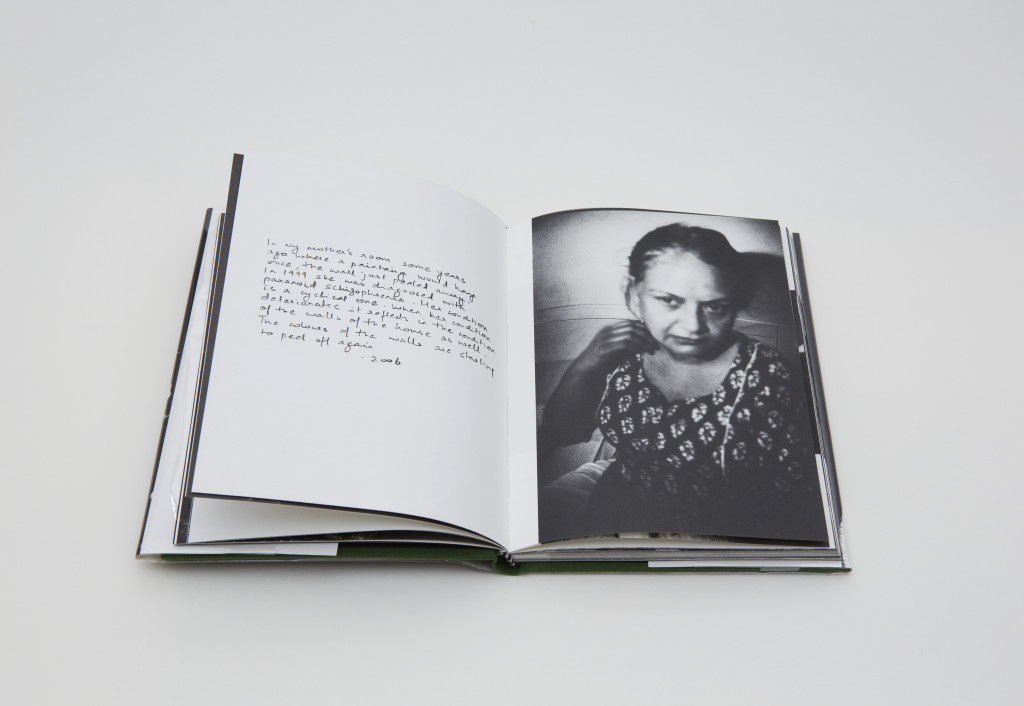
The second book I would like to discuss is Life is Elsewhere by Indian photographer and Magnum member, Sohrab Hura. It is one of the most emotionally rich and sensitive books published from the subcontinent, and it had a profound impact on my trajectory as a photographer. The book is long out of print and was self-published by Sohrab through his imprint, Ugly Dog Books, in 2015. This was the first of several self-published books by the artist. It was produced as a hardcover with dust jacket, comprising 144 pages, featuring 84 black-and-white photographs and handwritten texts by Hura. This is the first chapter of a work he did and is a deeply personal journal and visual chronicle documenting his life between 2005 and 2011, centered on his complex relationship with his mother after her 1999 diagnosis of acute paranoid schizophrenia, alongside family, travels, and his dog Elsa, who has since died. The photographs were taken between 2005 and 2011.The book begins with a bright, flash-lit silhouette of a person in the middle of the street, seemingly glowing or emitting intense, almost blinding energy, followed by handwritten text that lays the foundation for the work’s raw nature. The title of the book has been borrowed from Milan Kundera’s famous novel, and Life is Elsewhere masterfully combines full-bleed photographs, images in different sizes, and the photographer’s scrawled captions into one interwoven whole, all printed on matte surface paper. One can feel the photographer’s strong presence throughout the narrative, as he leaves intimate comments under his images, sharing memories, doubts, and emotions, and introducing friends, strangers, and stolen moments.
The portraits of his mother (from smoking in bed to lost in thought) and the objects from the inner life of the house (his mother’s nightgown on the back of the door, the bare, decaying walls, the numerous locks on the door, the pills) set the dark atmosphere of isolation and solitude that pervades the book. Yet in all these images, Hura photographs his mother with tenderness, love, and respect, her slightly glassy-eyed gaze the only hint of her condition.The book reads like a document of life, an intimate and poetic diary of love, life, and its contradictions, and Hura’s mother’s illness. The black-and-white contrast and the grainy form are familiar, but the themes of family sorrows, regrets, and the discovery of new love are heartfelt and moving, leaving an imprint long after one has finished turning the pages.