“Illness is the night-side of life, a more onerous citizenship. Everyone who is born holds dual citizenship in the kingdom of the well and the kingdom of the sick. Although we all prefer to use only the good passport, sooner or later each of us is obliged, at least for a spell, to identify ourselves as citizens of that other place.”
– Susan Sontag (Illness as Metaphor)
“It is this very illness, the fear of its relapse and the aftermath of it, that provoked in me an inevitable necessity to feel again, an urgency to re-discover the desire to live, to maintain a diary, a diary that would become the most important fragment of life itself.”
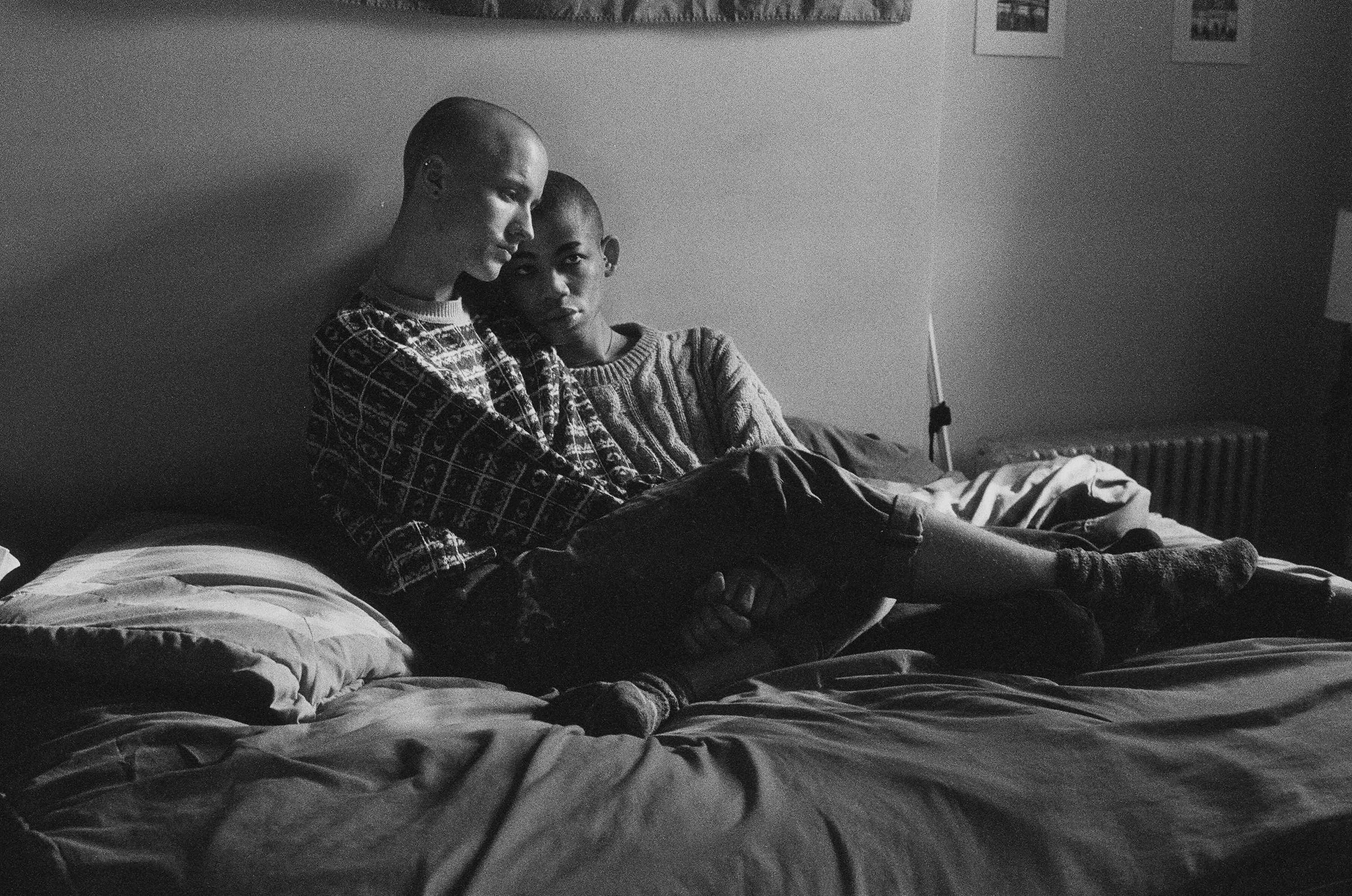
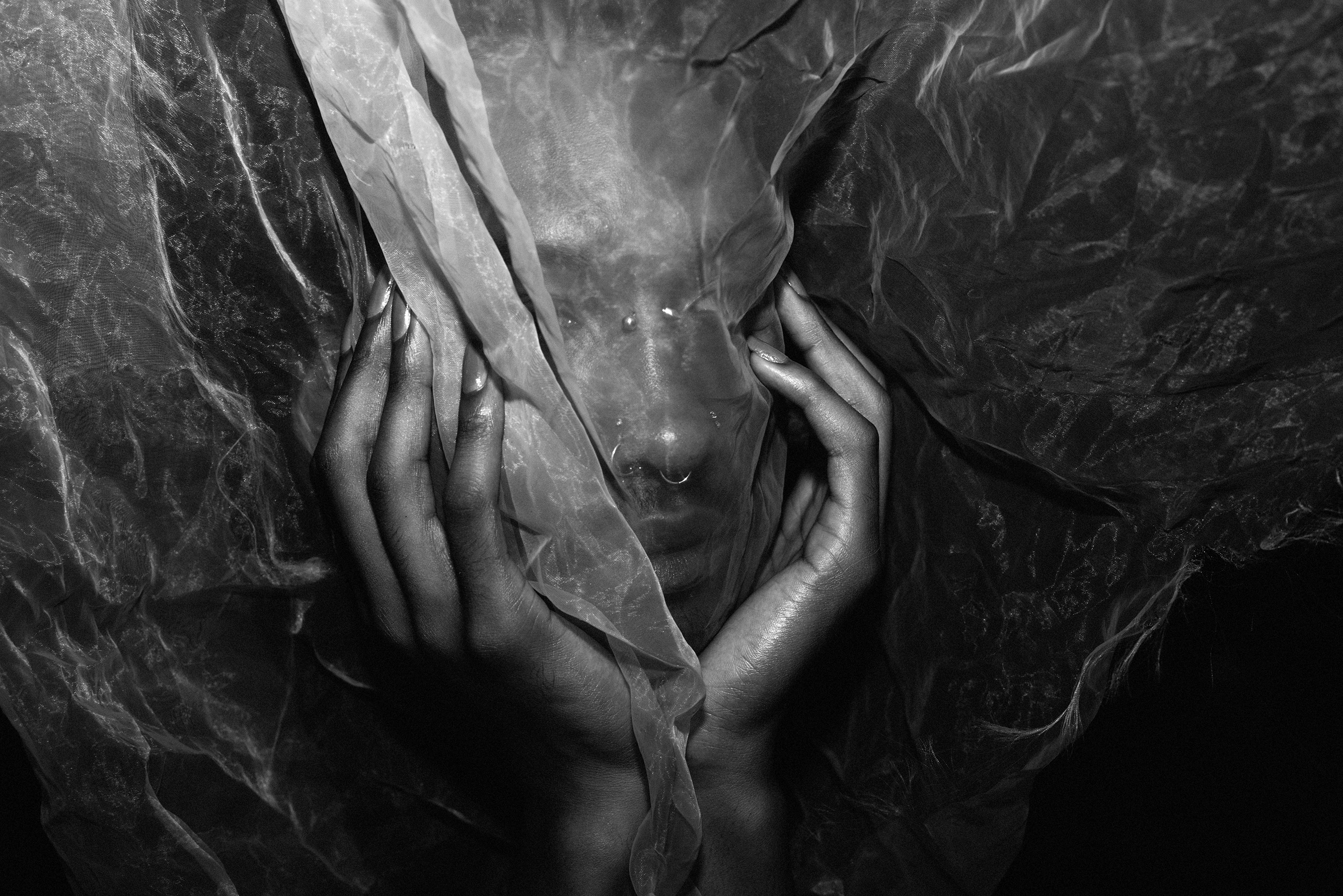
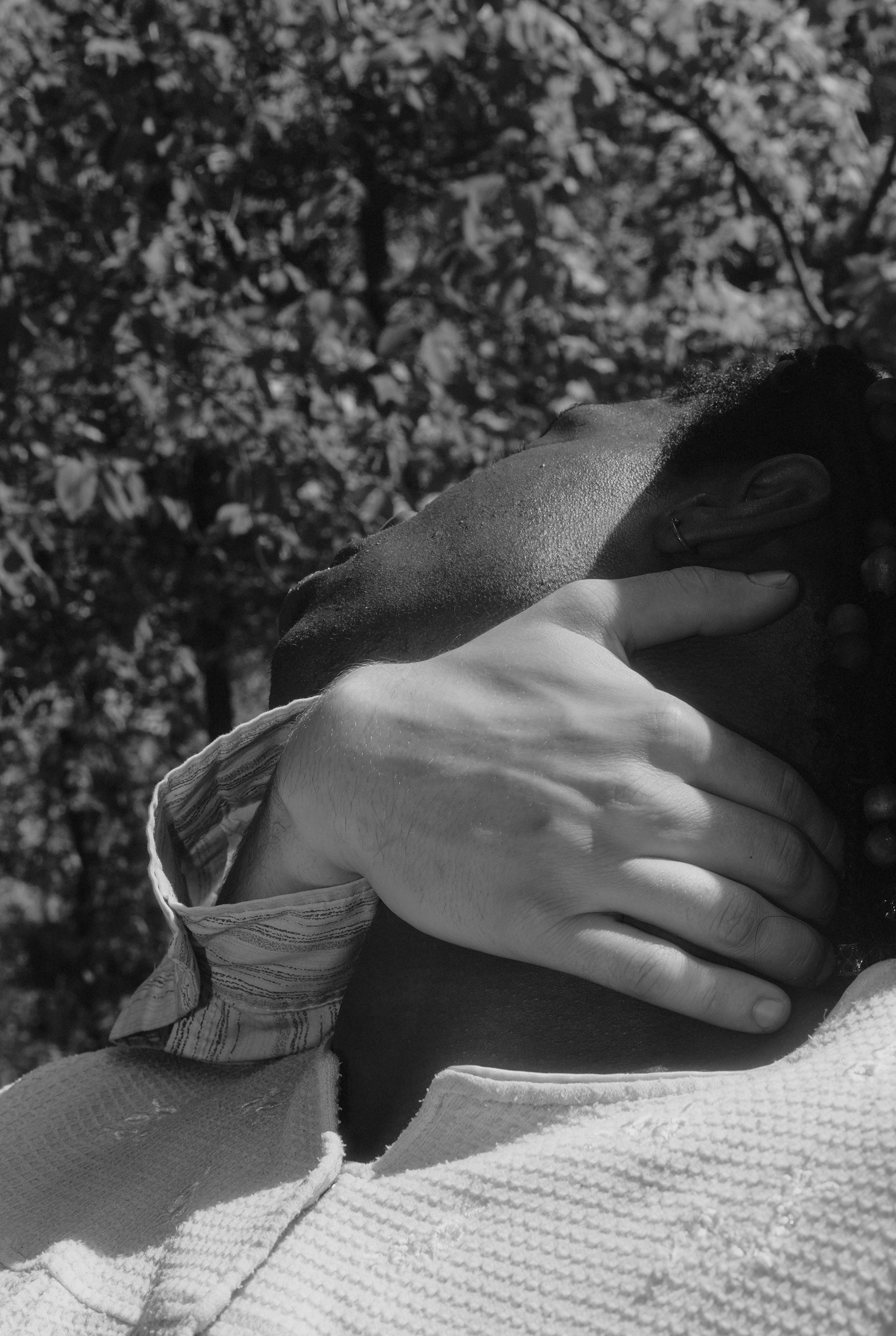
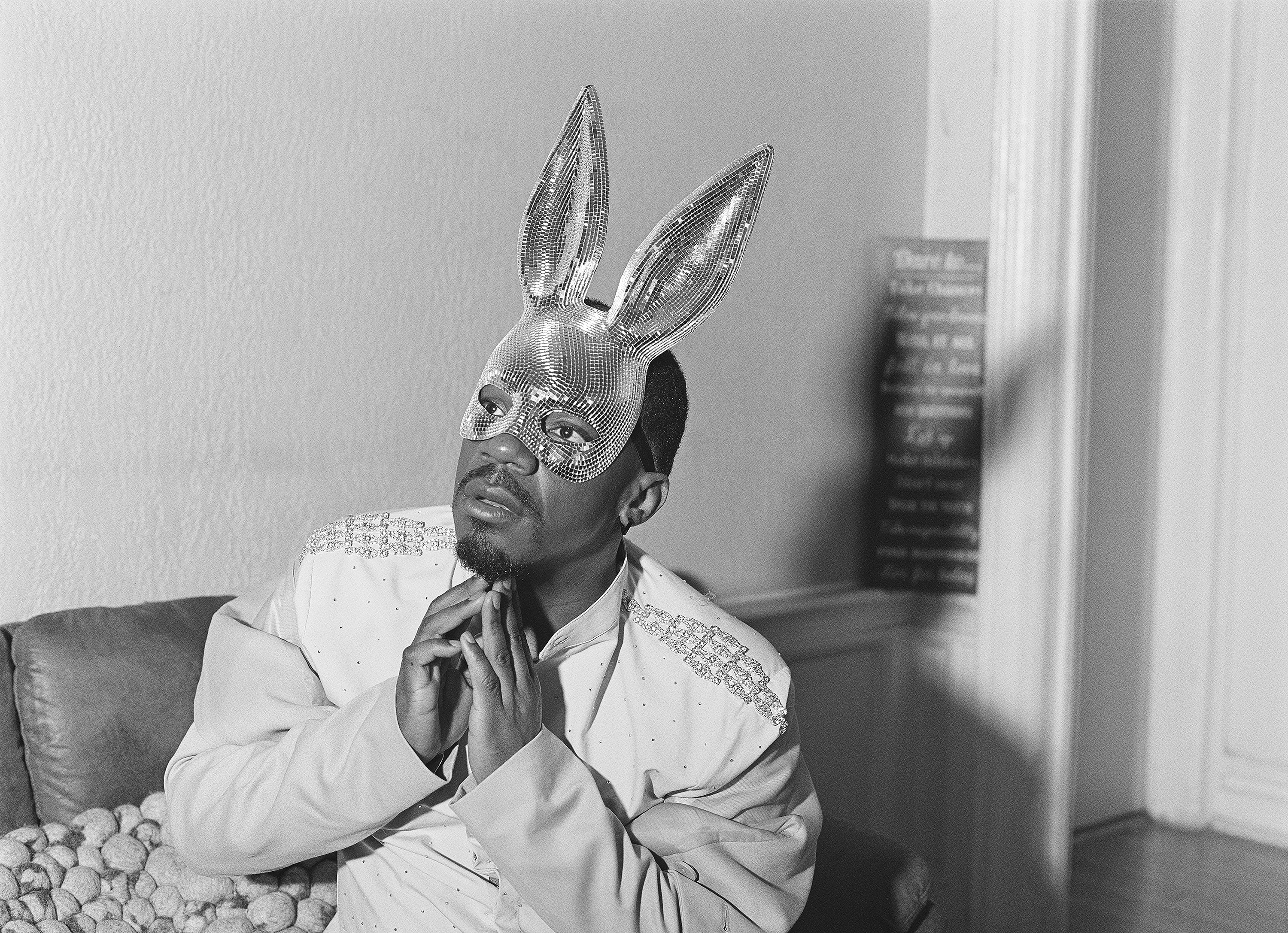
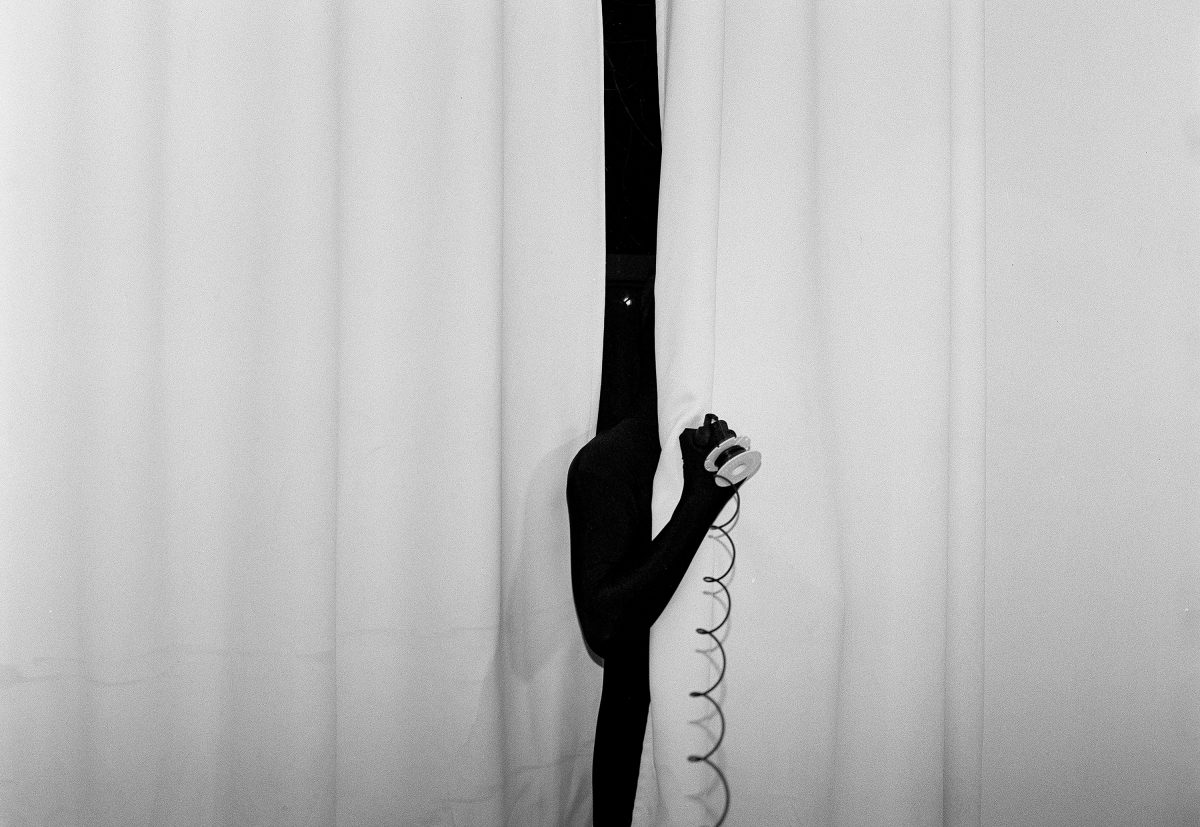
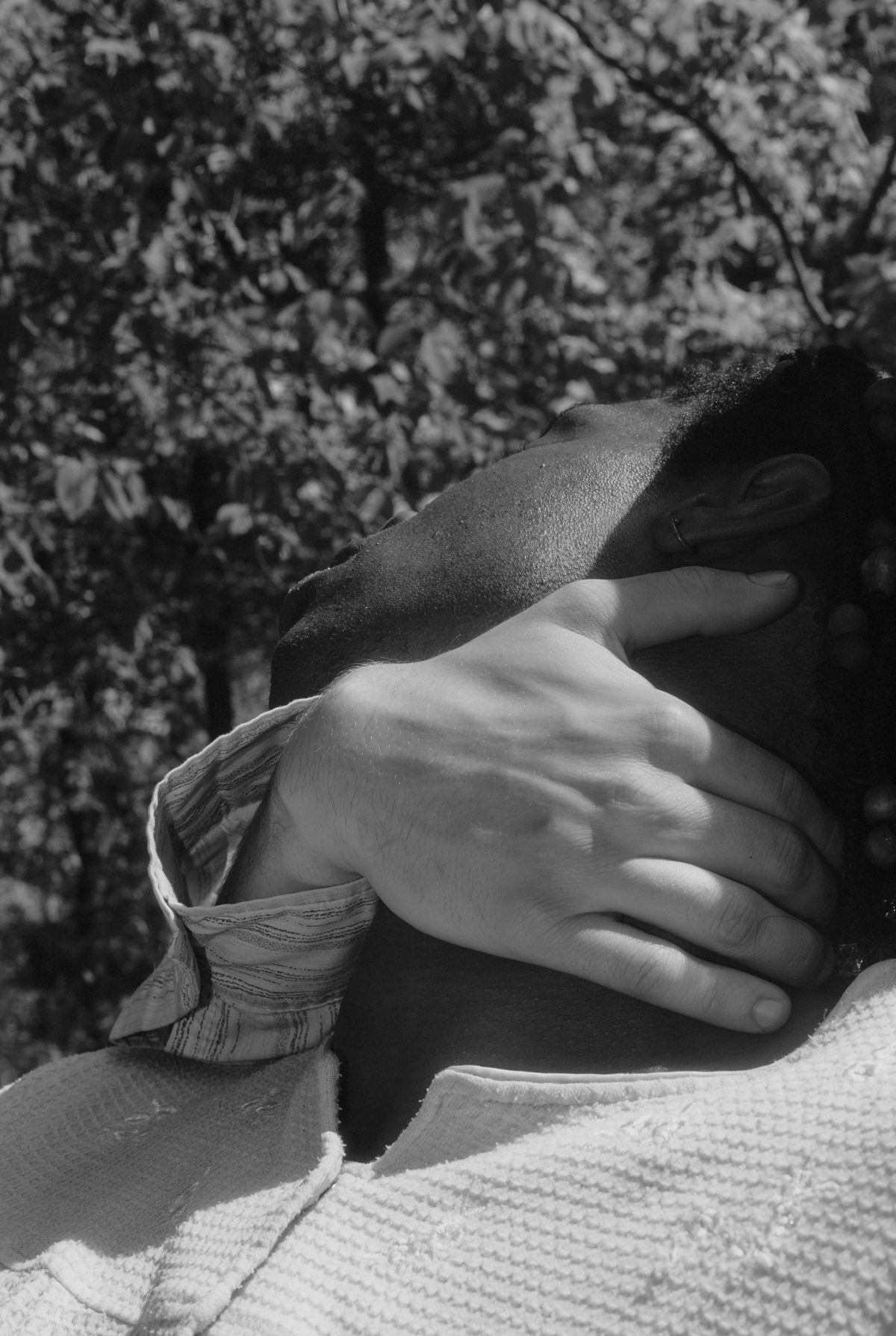
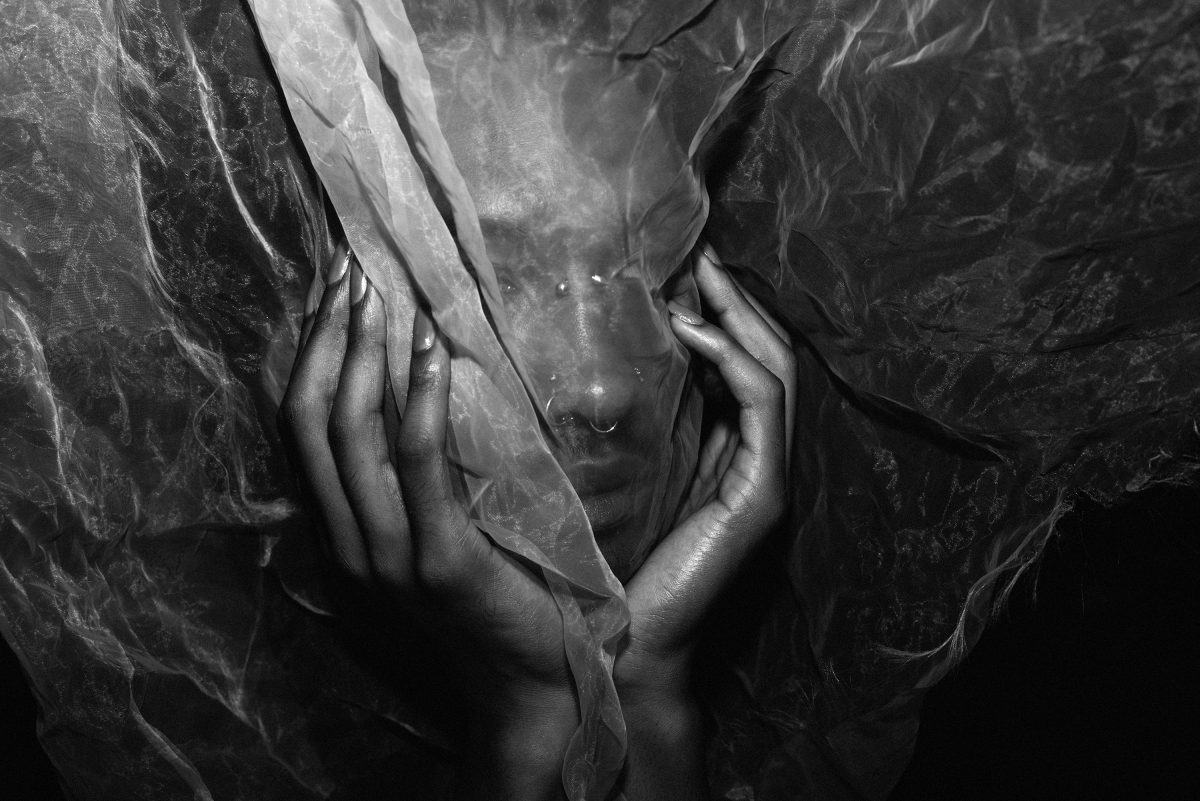
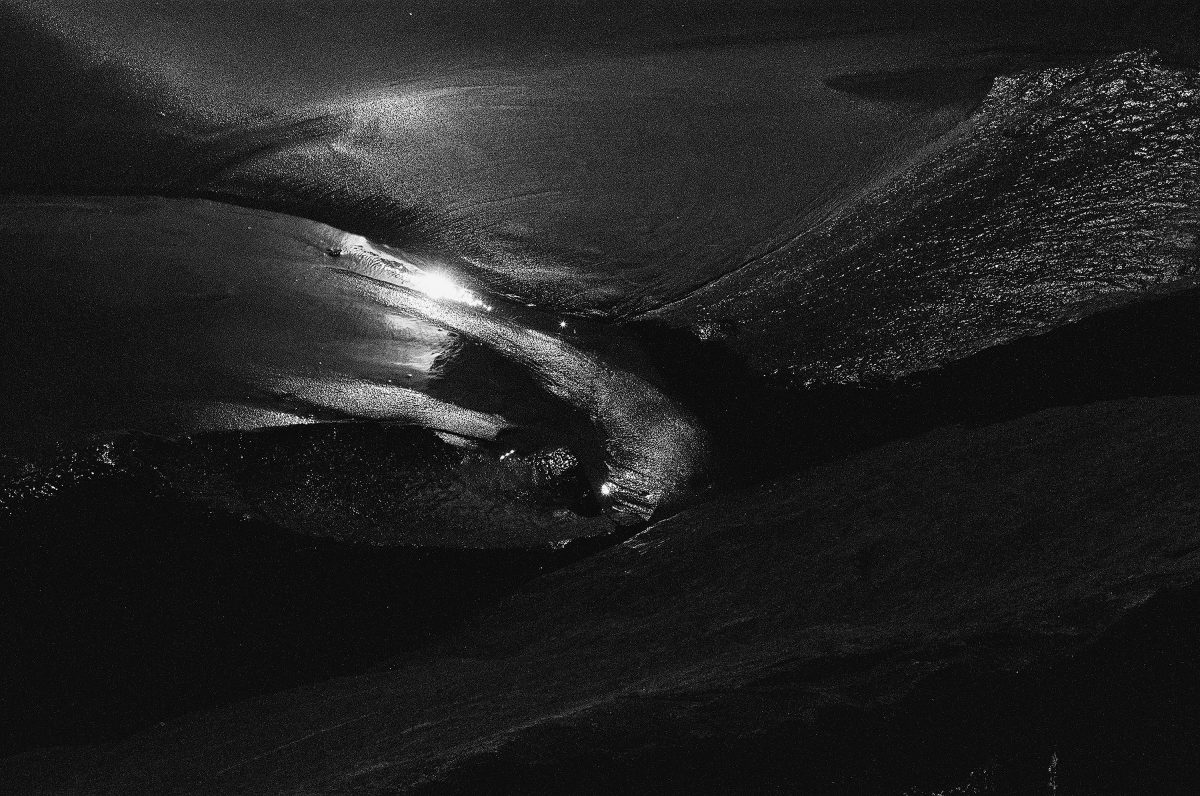
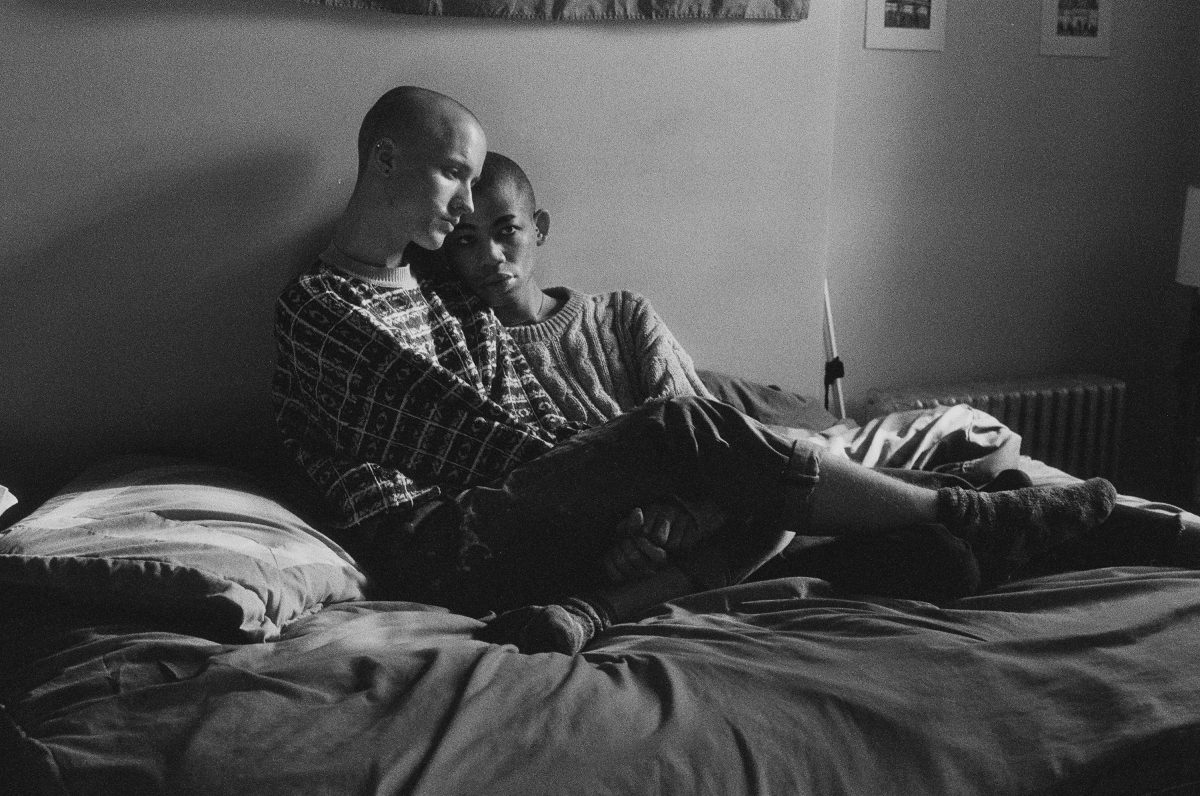
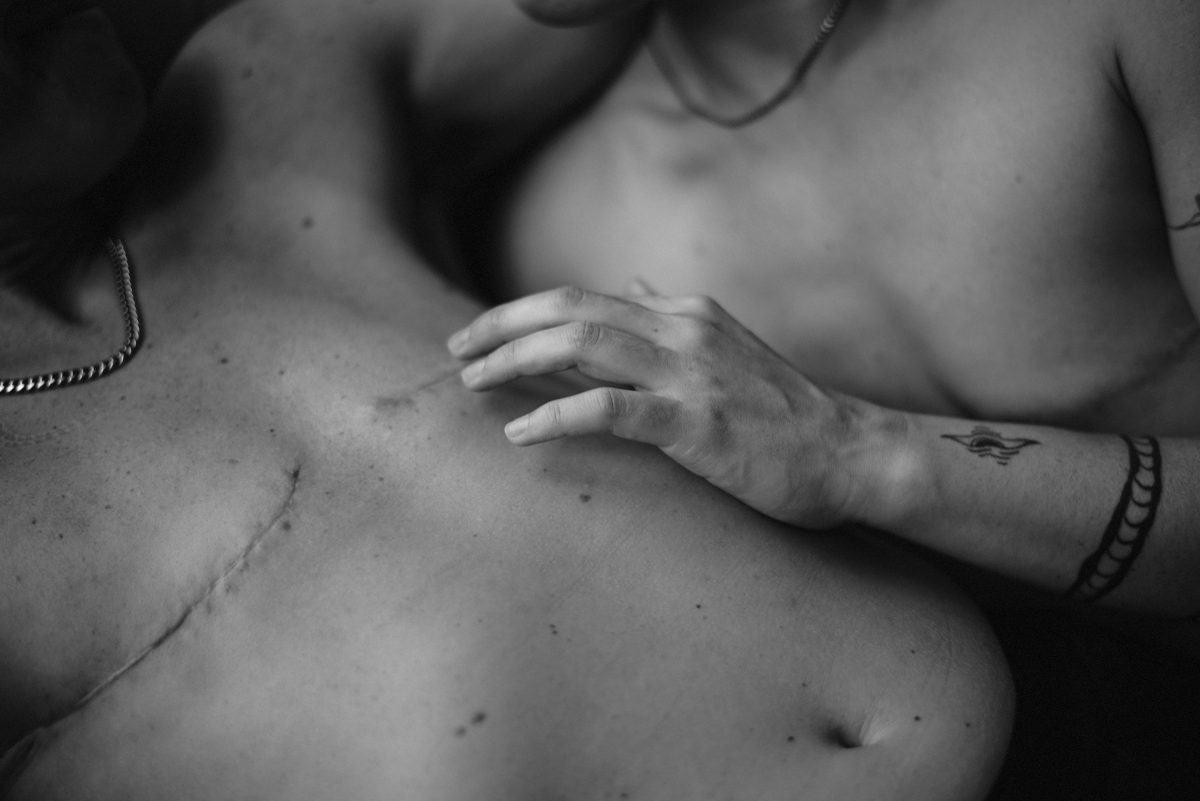
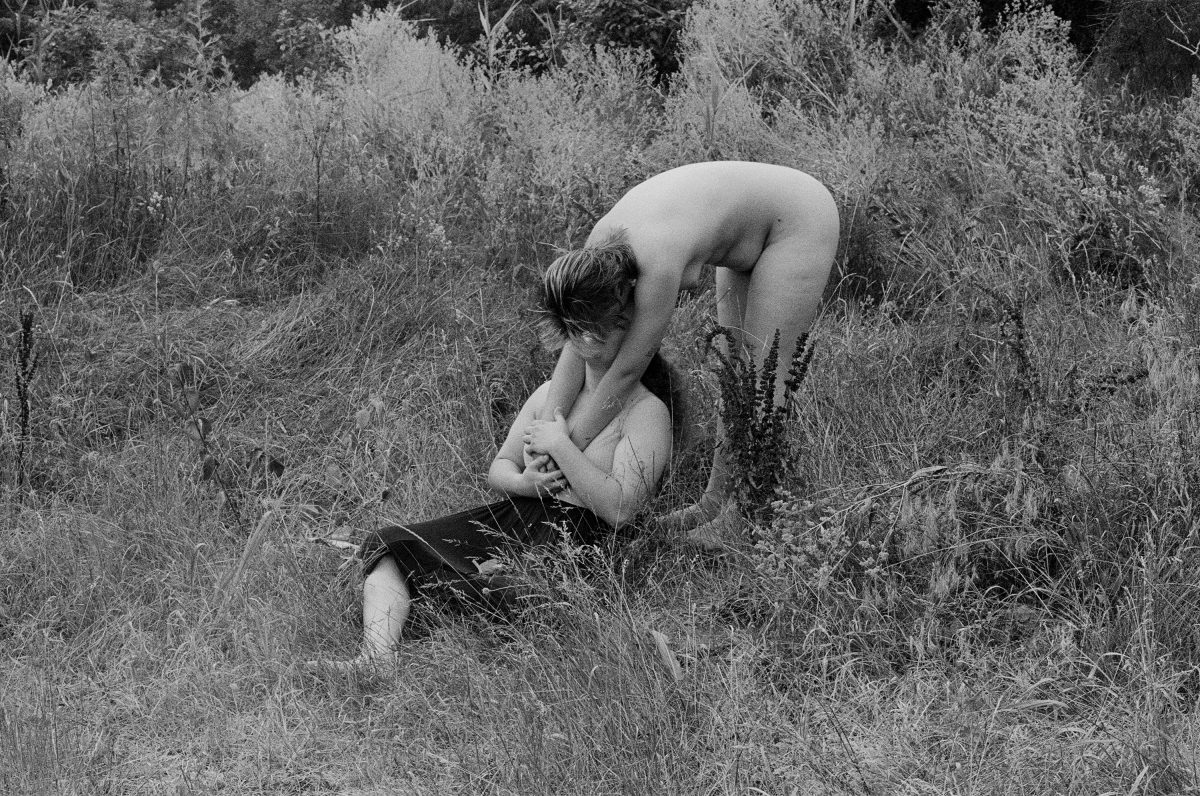
The Weight of the Earth is a personal diary about vulnerability, loss, and longing. This long-term project is my response to a lover’s suicide, my battle with tuberculosis as a young adult, and my experience of queer identity as a brown South Asian immigrant in the divided social and political environment of America. It also explores my current economic and social ties to a foreign country, the people I met there, and their shared pain, hopes, and fears, hoping to find healing.
The death of a lover was the starting point that led me to create a diary of meetings told in a layered story, often showing how the same people changed over time. It also includes my experience of coming out as queer later in life, the guilt and shame of living a double life, how I overcame that, and how people show grief and desire through images and performance. Named after the audio journals of gay artist and activist David Wojnarowicz, who died at 37 from AIDS, The Weight of the Earth deals with the complex connection between mourning and sadness, while also asking what it means to be queer today. I try to create a collection of moments and a healing space for those I have met, often survivors of trauma and violence, adding a sense of mystery and openness to the work. Over time, this project became a trilogy, marking important moments in my life and the world around me.
The project includes self-portraits as well as portraits of strangers and friends I met along the way, showing how, through this exchange, I keep building a fuller picture of myself. Inspired by the idea of a rhizome, the work brings together many different situations and meetings. These meetings try to open up often ignored talks about difficult topics like mental health and suicide, traumas linked to trans and queer experiences, and human feelings of desire and longing.
By using a collaborative performance style, where reality is sometimes mixed with fiction, I ultimately ask questions about self-acceptance and build a community in the “imagined homeland” of America.
“Love… is a quest for truth… truth in relation to something quite precise: what kind of world does one see when one experiences it from the point of view of two and not one? What is the world like when it is experienced, developed, and lived from the point of view of difference and not identity? That is what I believe love to be.”
In 2020, I discovered The Mausoleum of Lovers, the diary of Hervé Guibert, which inspired this project: an archive of images and declarations of love. This work alternates between black and white for tense moments and colour for spontaneous gestures, not to sanctify or desecrate, but to understand love. And to question Love, its tenacity, and its precariousness in the attention economy of today.
It started in the summer of 2020, when I began photographing a young trans American couple at the beginning of their transition. By documenting their intimacy—through love, self-doubt, and discussion —I began to examine and even confront the relationship between gender and the body, and how love fits within identity and expression. As an Indian immigrant coping with the grief of losing a former lover, this series became an exploration of queer love, often considered taboo in several societies, including my homeland in India.
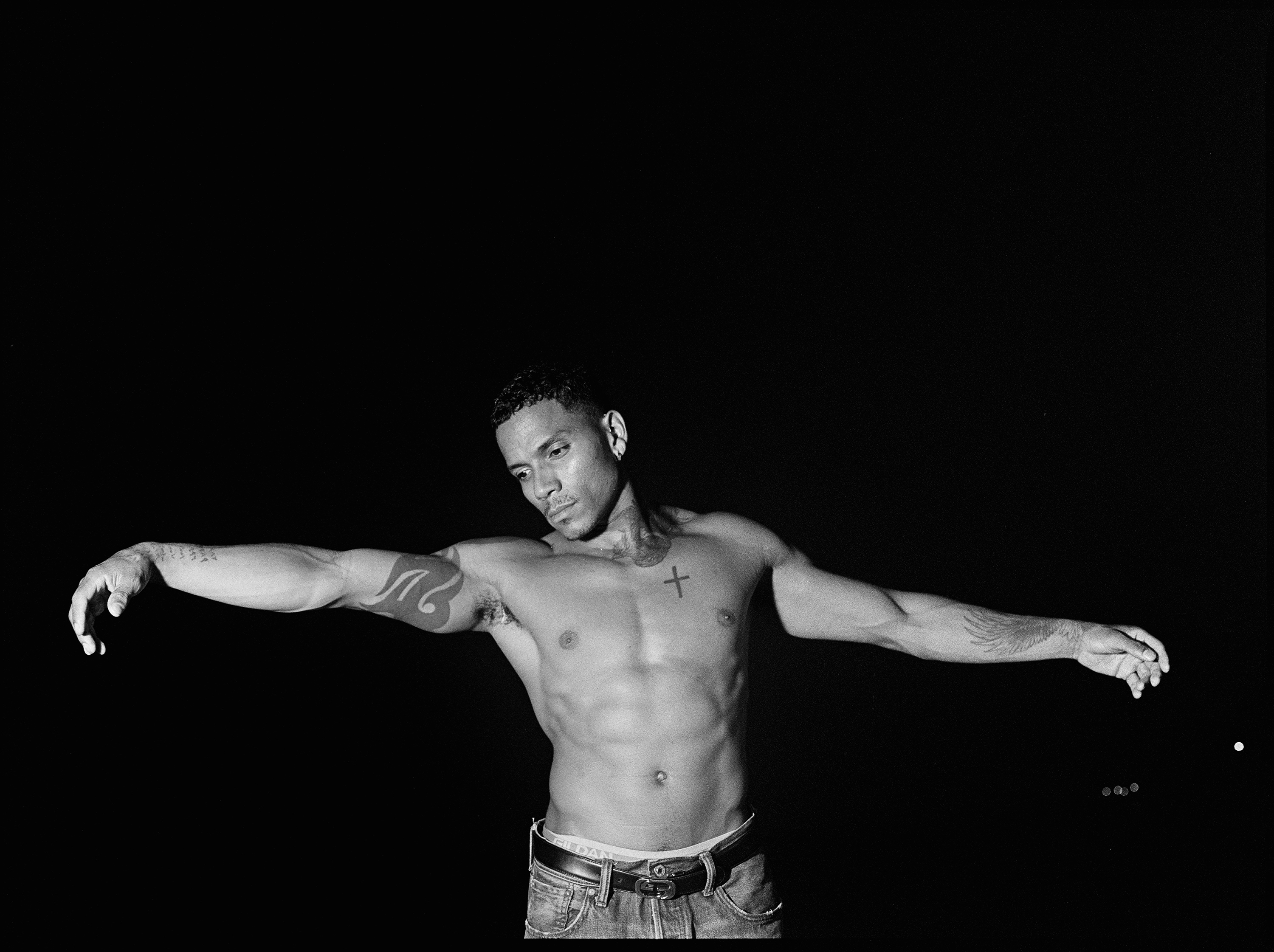
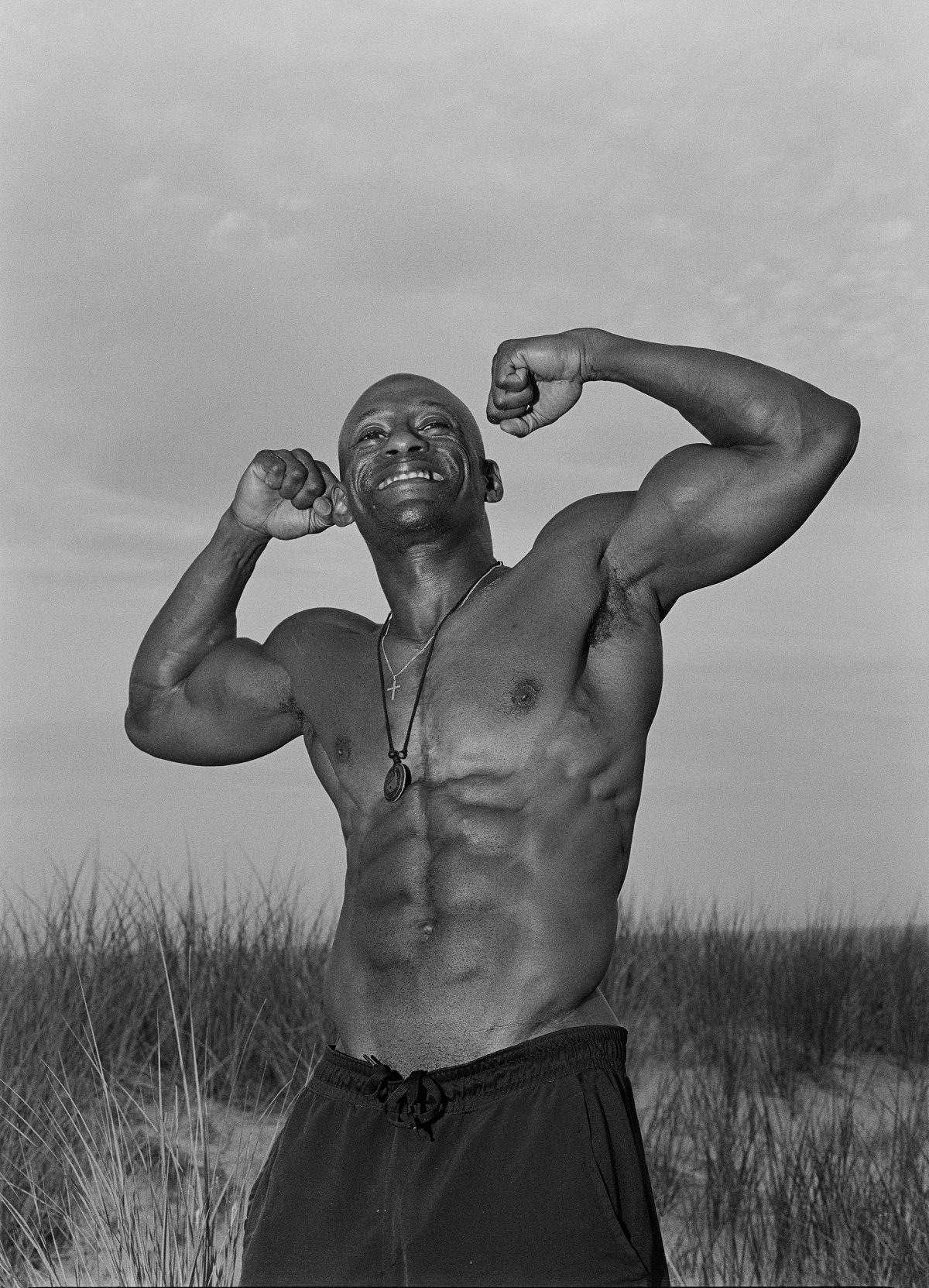
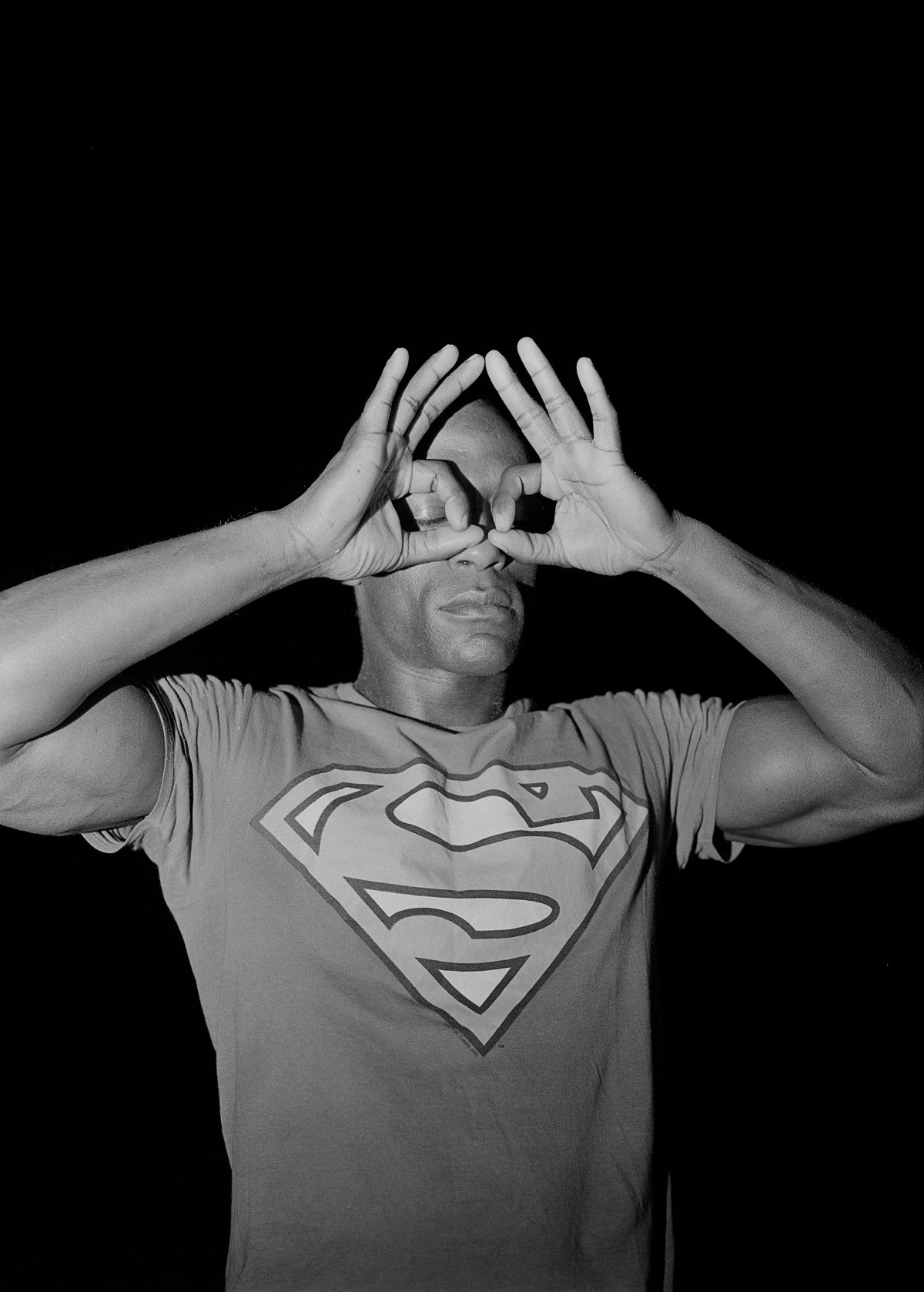
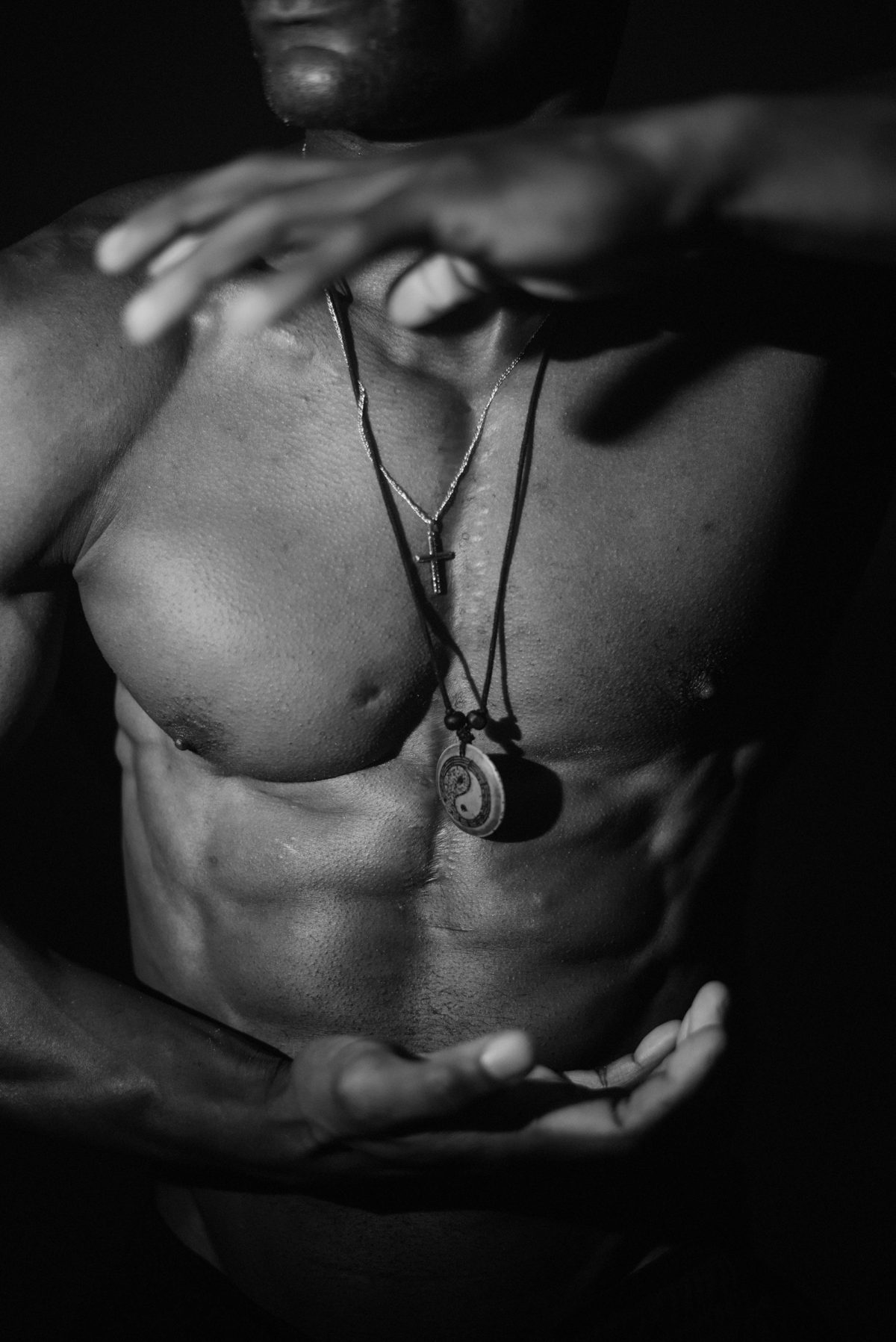
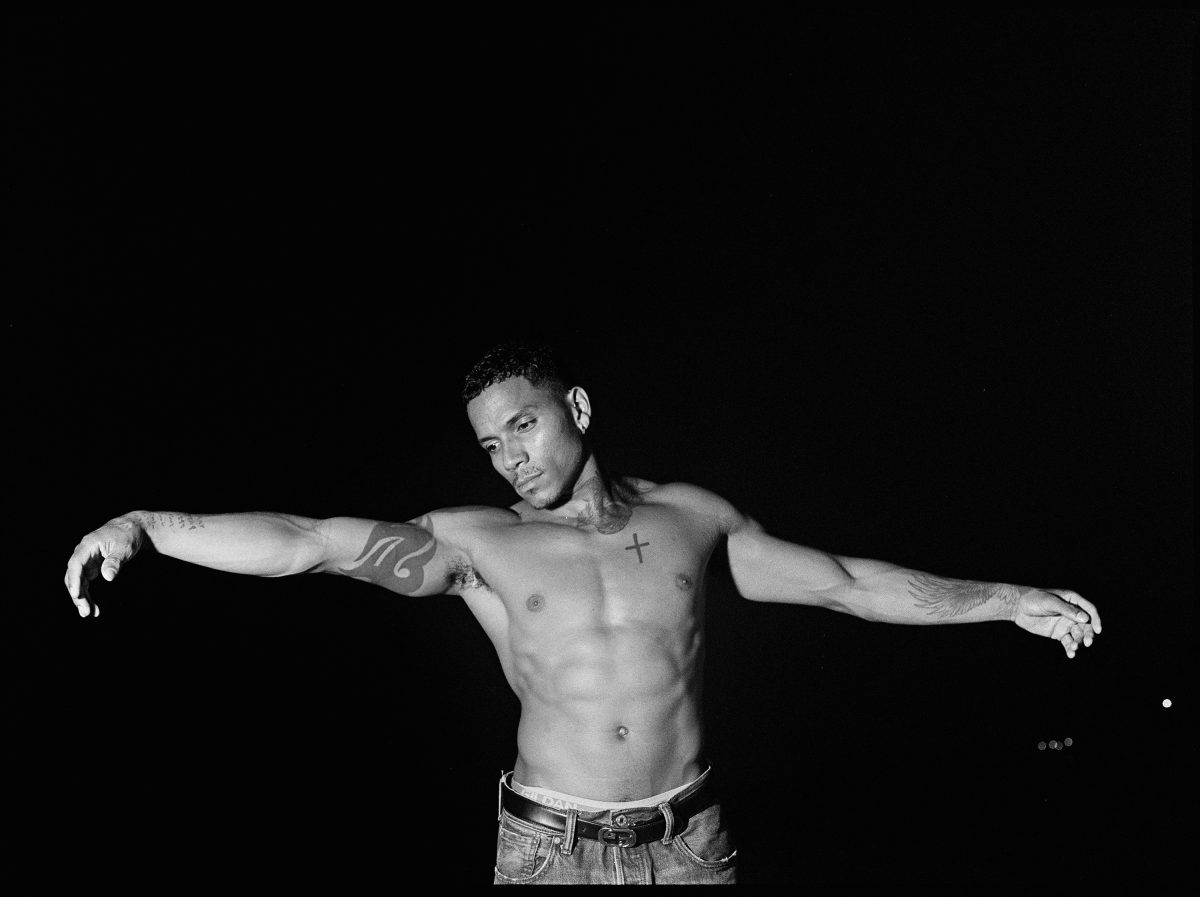
Born Slippy! reframes the author’s existing archive of exchanges as an immigrant in the US, with men who confront personal and political violence. This work further portrays individual and collective masculinity, power, and vulnerability through its embrace of silence and the subliminal. Through repeated gestures and positions, this photo-text-based work weaves together the journeys of men from different walks of life, caught between the desire to integrate and the acceptance of living on the margins, holding on to all they have. Through fragmentary writings and staged, playful portraits of men they met over time, the artist plays the game to explore these beautiful men, their desires, fears, and friendships. The work examines masculinity not just as a genetic trait but as socially constructed, and argues that one must acknowledge its fluid nature in the process.
Men account for approximately 75% of the one million annual suicide deaths worldwide. Emerging research indicates a link between suicide and men’s active pursuit of hegemonic masculinity via emotional restriction. A report from the American Psychological Association points to economic insecurity, isolation, and adherence to a rigid masculinity ideology as major drivers of distress for men and boys.
The work continues to examine the crisis of masculinity and patriarchal frameworks that affect men, questions the issues of alienation in individualist societies under post-capitalism, primarily in America, and the performative nature of being that comes with it. It challenges the codes of American hypermasculinity and questions the nature of man through the lens of migration and identity.
This is a work in progress. The next chapter is intended to be set in the author’s homeland in India, during the rise of right-wing nationalism, to explore how that relates to the notion of manliness and the visual strategies one can use to dismantle it and embrace softness and care.
Traces
“It is often said that everyone is equal in the face of death, regardless of social status, because the time comes for all of us to die. This idea can be found in street conversations, songs, and poems, and expresses a shared truth: we all die because it is part of being alive.
But we don’t die the same or experience mourning in the same way. What we die of, how we die, who accompanies us, how our body is treated from a material and symbolic point of view, what rituals are performed, how we are remembered… All these experiences are conditioned by the place we occupy in the society in which we live.”
– Queer Mourning, Grieving at the Museum, 2022.
My grandfather passed away in India in 2023. I talked to him on a Wednesday, and by Friday, he was no more. His demise, his disappearance, my absence at his funeral, and my helplessness, in a way, also became that second significant chapter of the larger diary I created. Along that chapter, I also embarked on this project to find silence and accept my loss and helplessness.
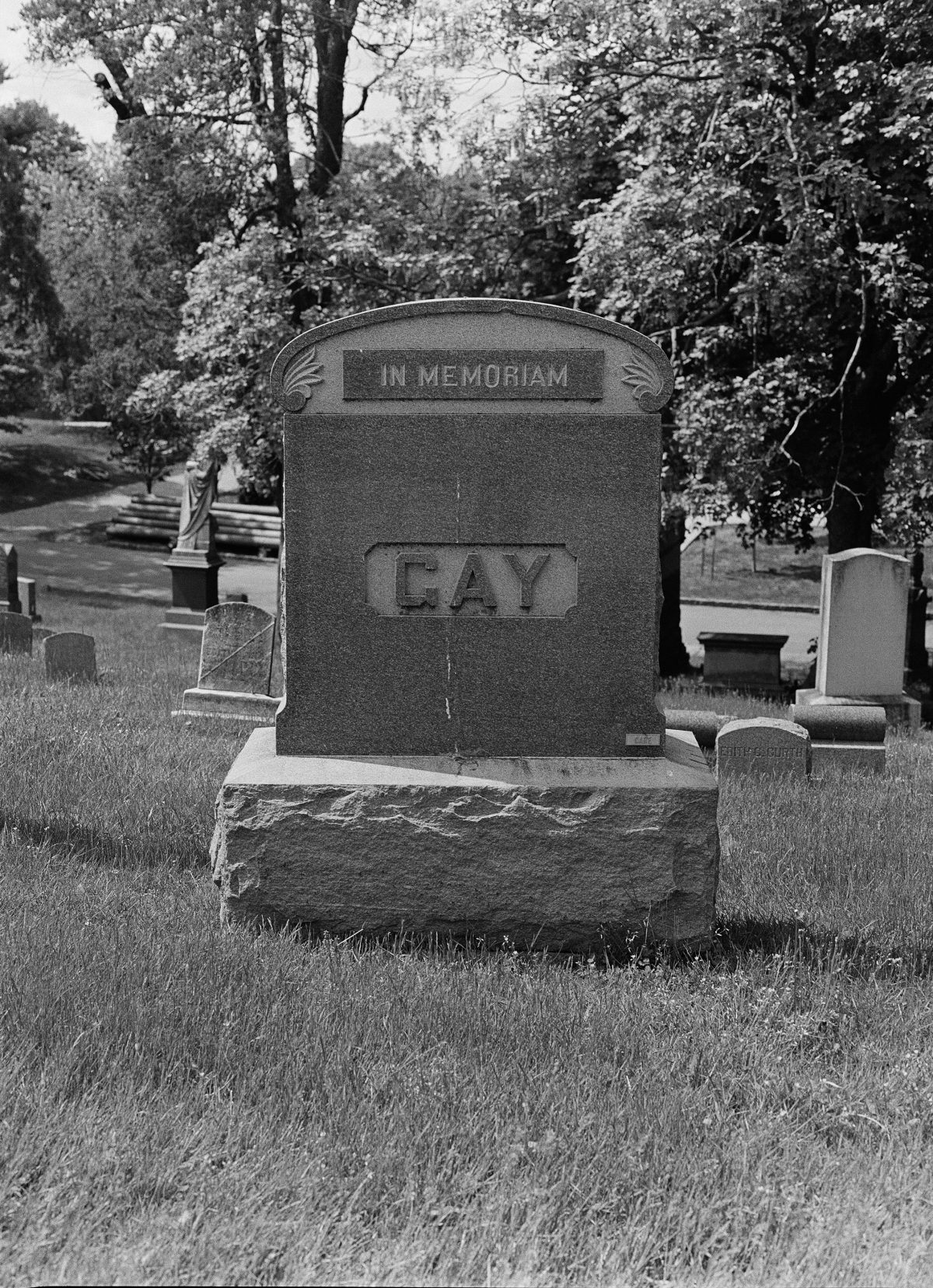
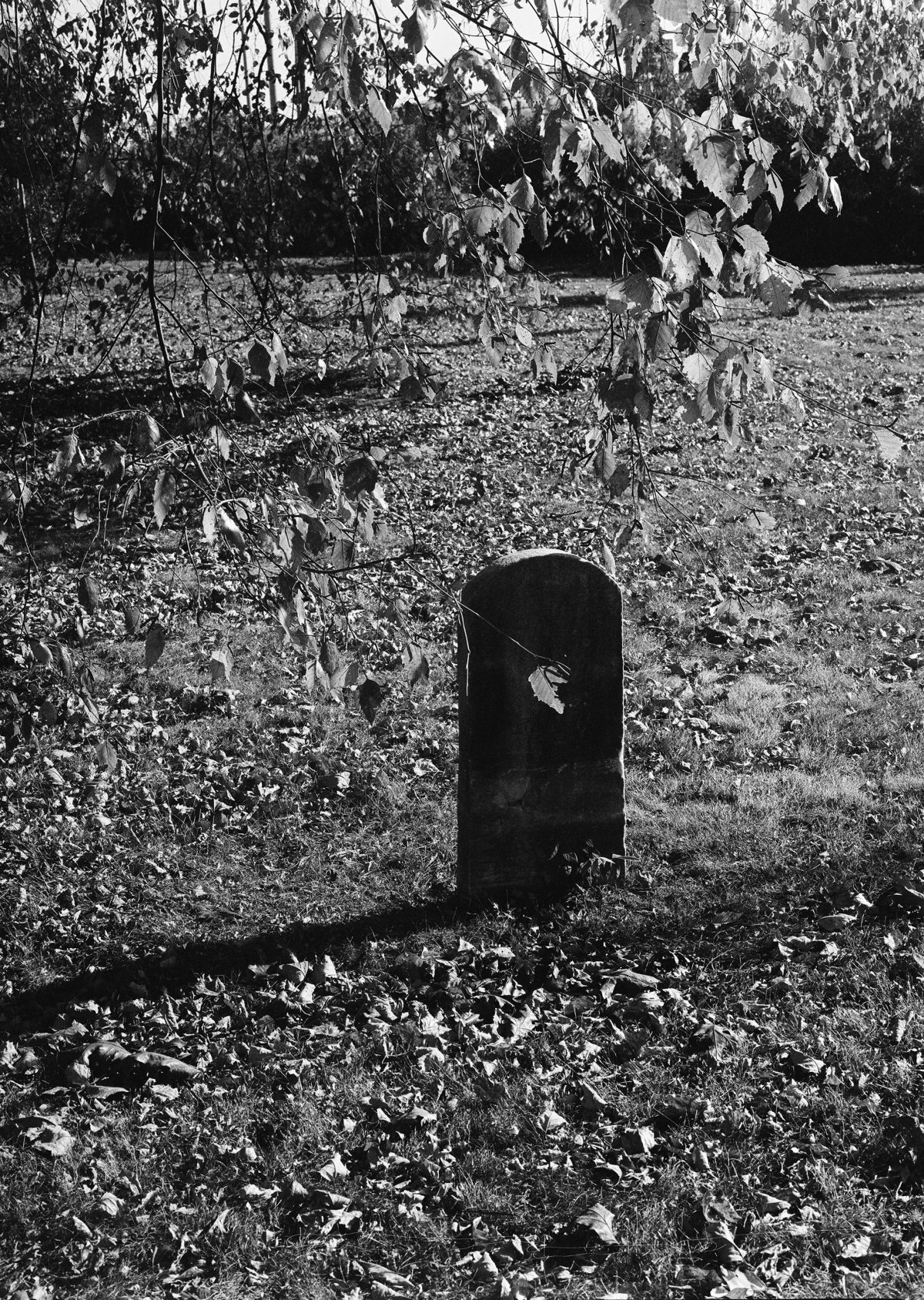
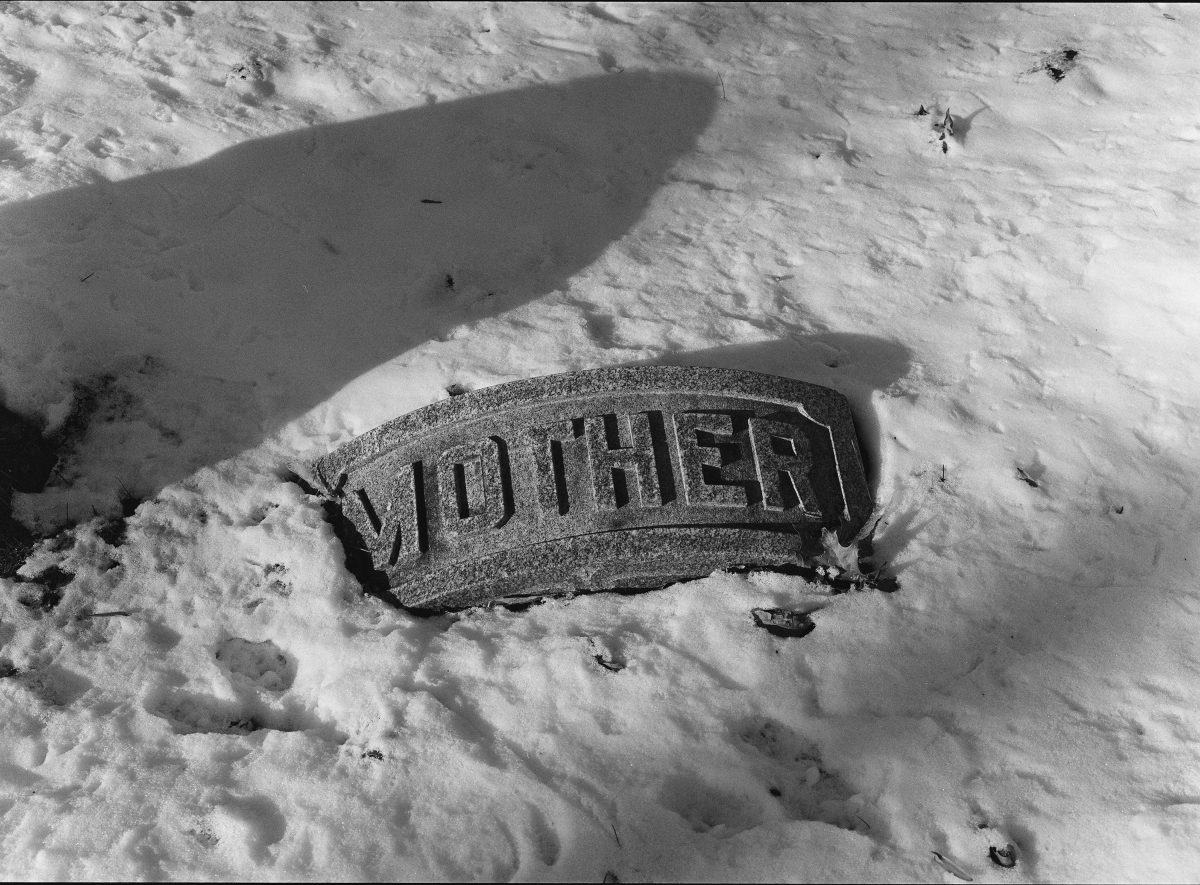
In this shorter work, Traces (between 2023 and 2025/2026), devoid of the living figure yet with a trace of life nonetheless, I set out on a different journey. To photograph silence, to photograph death itself. I explore the same graveyards in New York and the surrounding area, mostly focusing on unmarked graves, to create an indexical catalogue that references familial ties and repetition as a gesture. Years ago, I encountered the work The Bolinas Graves (Late 1970s / Father Mother, 1991) by conceptual artist and photographer Sophie Calle, and I was inspired by the diptych. Something so simple, yet so profound, that it stirs emotions of loss, longing, mourning, and how we perceive death itself. As I was working on this project from personal experience, composing mostly unmarked graves and looking at the histories of the sites where these graves were located, I kept coming back to the thought that even in death, we are not equal. This naturally expands to question whose lives have more value in a post-colonial capitalist world order, who becomes worth remembering, and who becomes only a private memory.
Debmalya Ray Choudhuri is a non-binary, self-taught photographer from India, based between New York and Calcutta.