

From issue: #30 In at least one dream!
A collection of creative prompts
Phoebe Wingrove, 8 May 2026
When I was a photography student at college, I visited exhibitions on my own, but I would never stay long. I walked around, looked at one piece of work, and quickly moved on to the next. I tried to read the text panel, but I couldn’t access it, my mind would shut down and refuse to read so many words that didn’t make sense to me – years later, I was diagnosed with Dyslexia. Even if I had been able to read that text panel, I still wouldn’t have known what to think or how to engage with the work. I’d just stare, and because I had no devices to support my thinking, I was stuck, so I left.
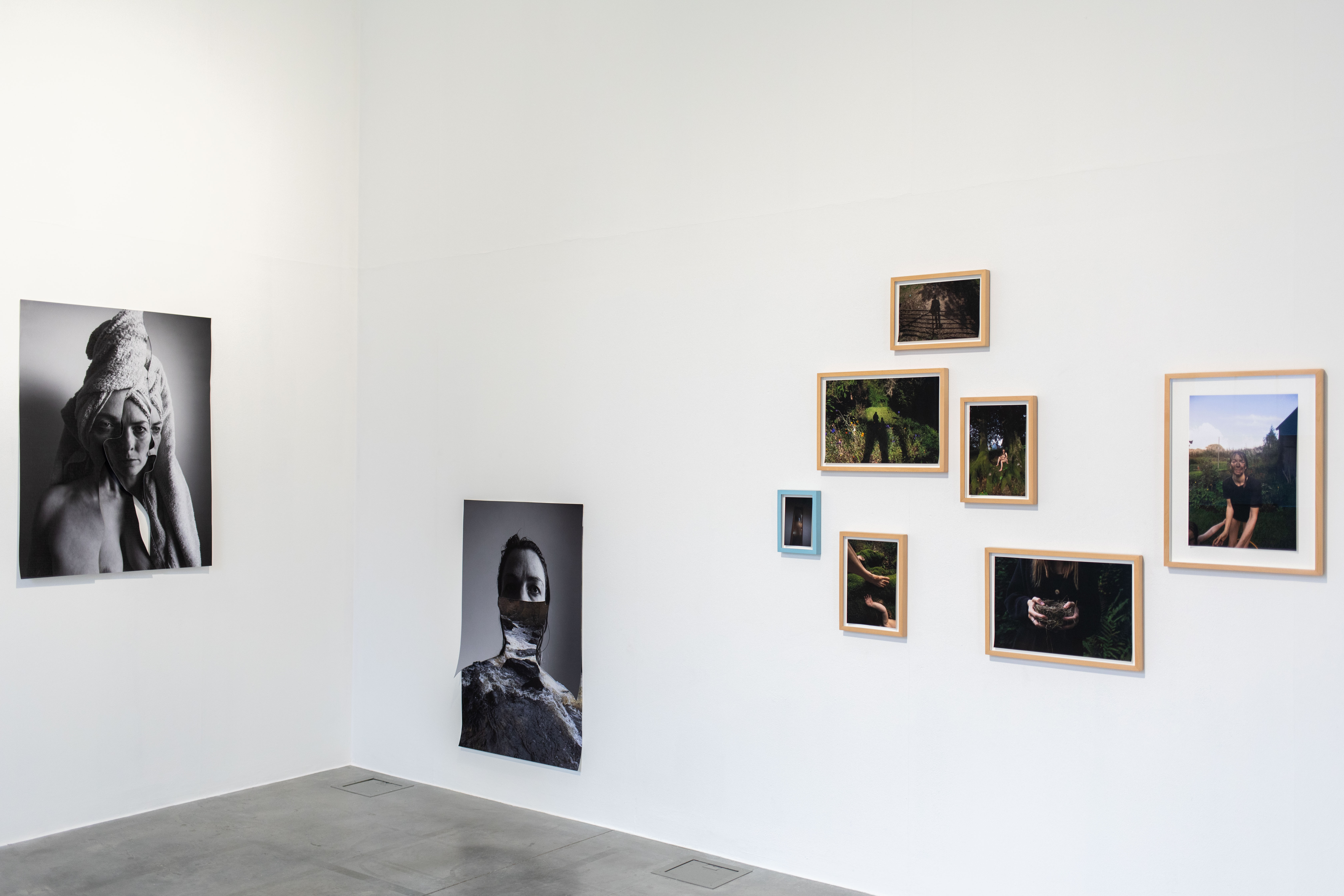
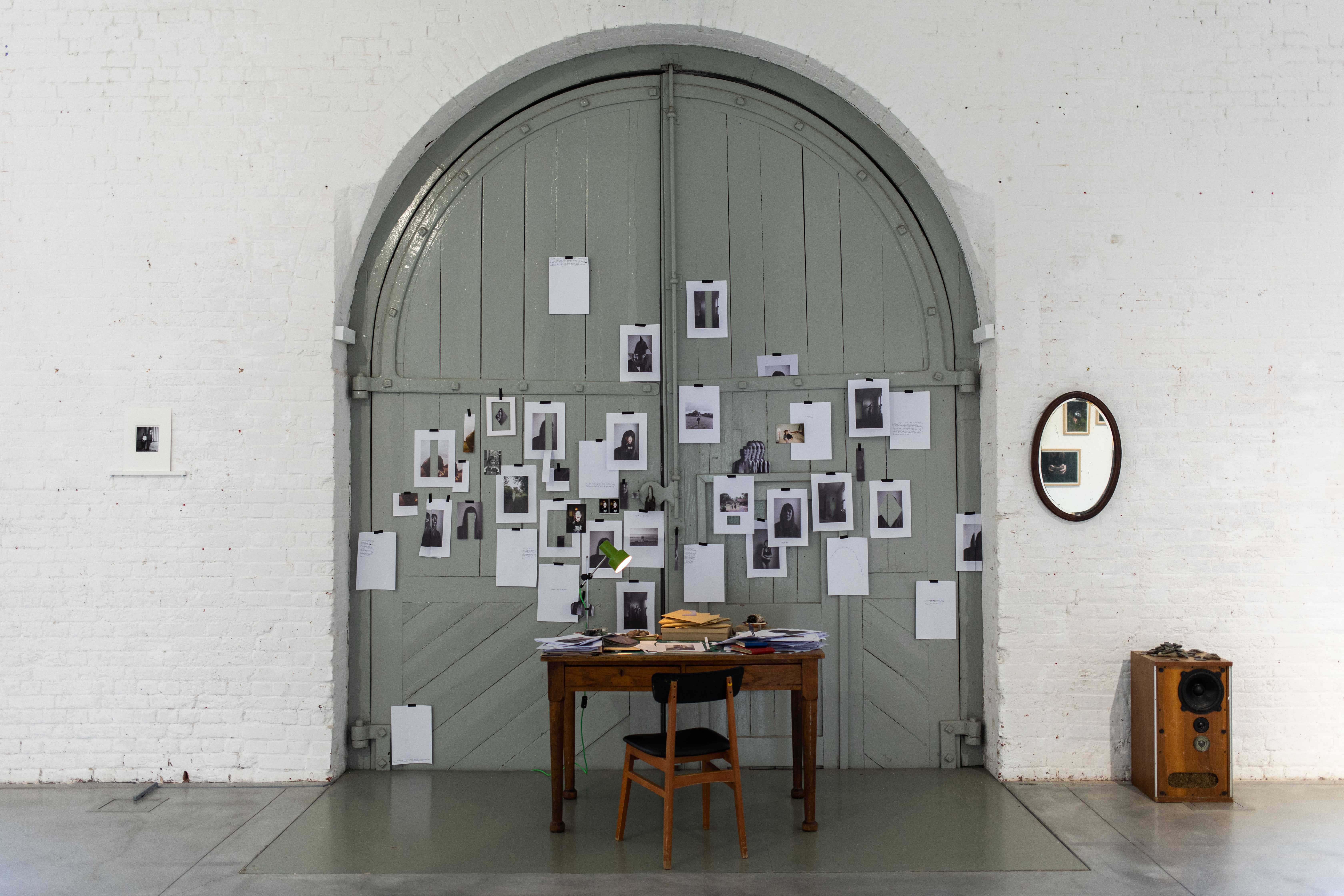
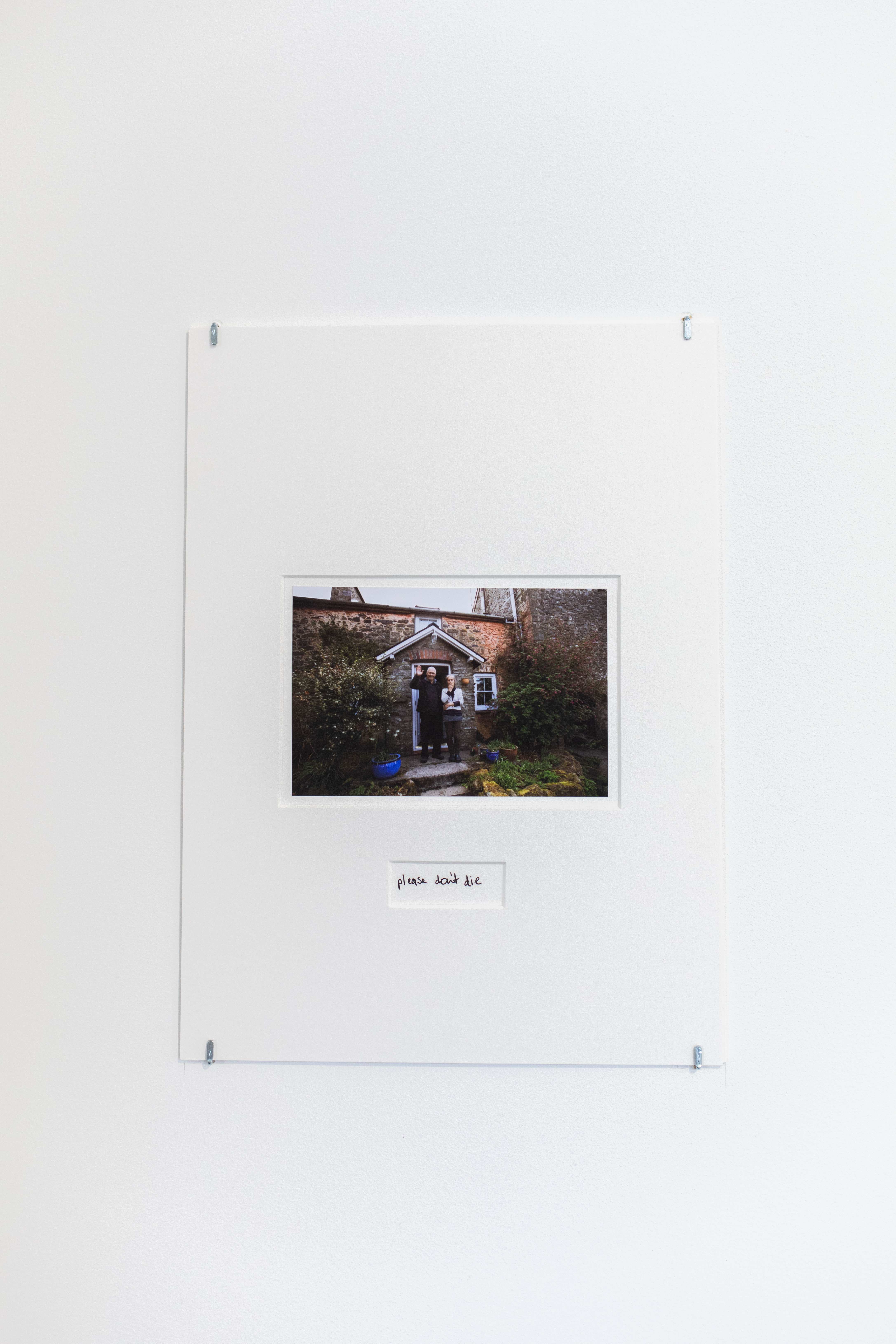
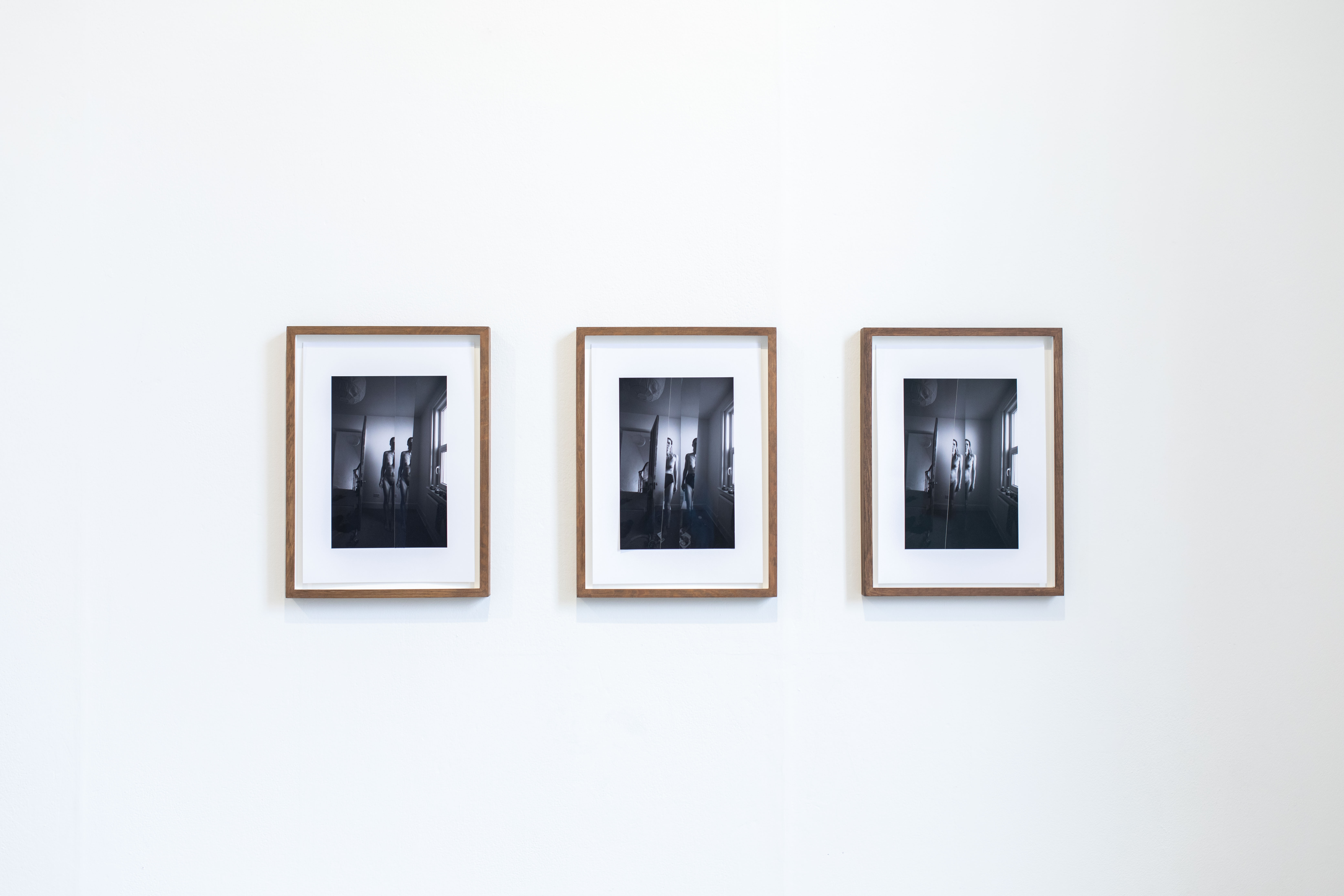
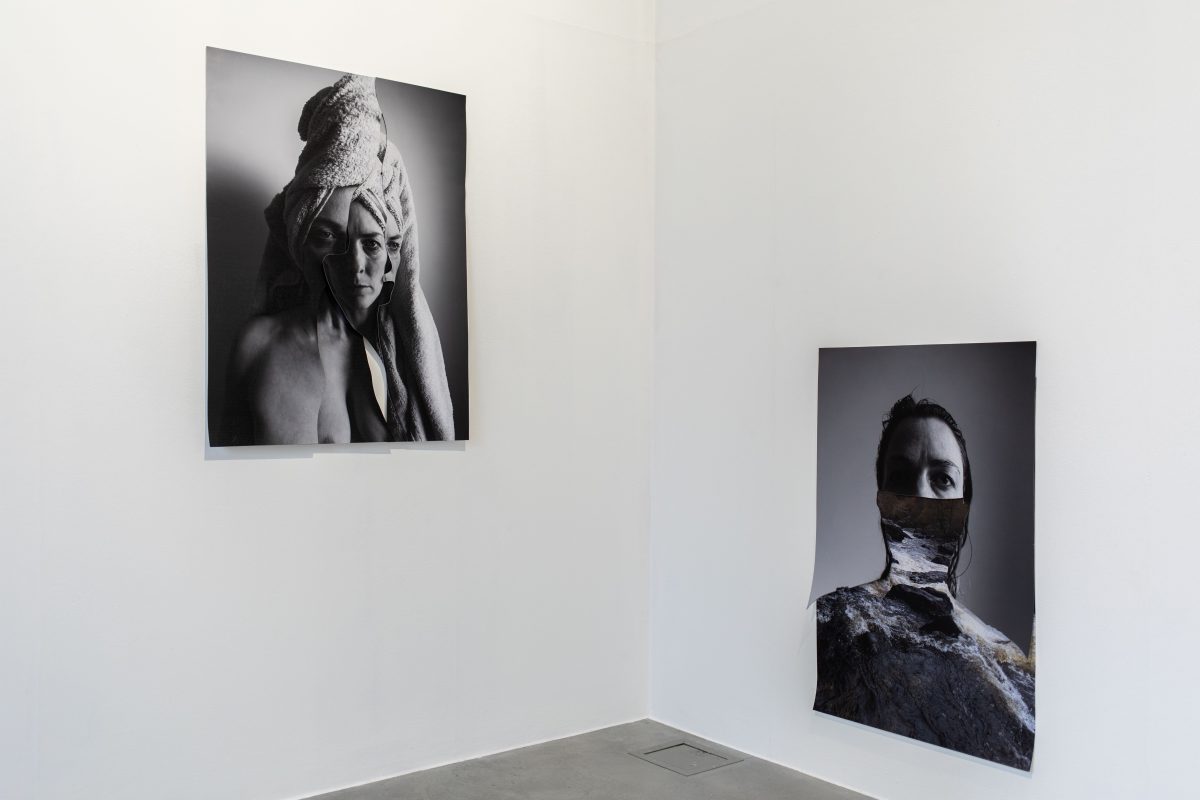
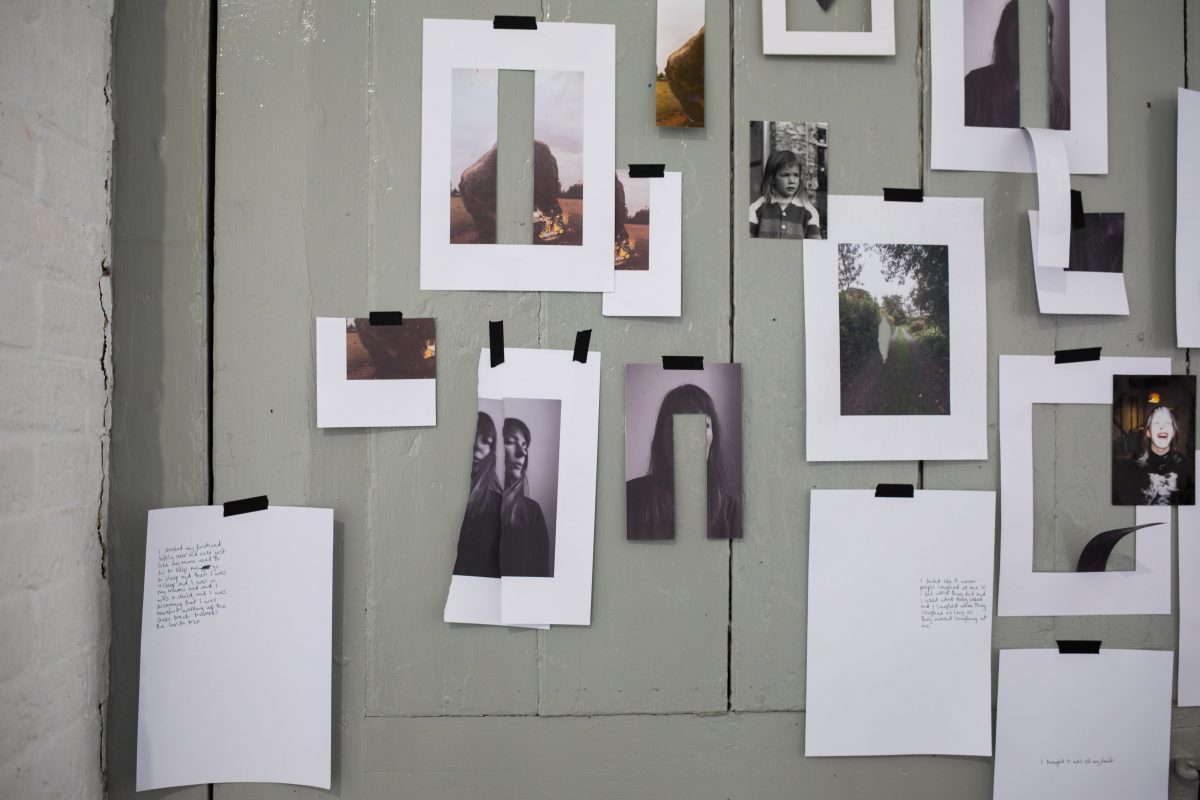
The first time I witnessed photography and poetry working together was through Lauren Joy Kennet’s work Sorry, I’m Not Sorry. LJK was appointed for Photoworks’ In Focus 2023 commission and created a body of work that explored her experience of undiagnosed autism. At her exhibition I remember seeing a collection of her autobiographical photographs stuck up with bits of black tape across a door, and amongst those photographs her handwritten words scattered across pages. It was as if Lauren was there speaking the words to me, they felt like the glue gliding over my thoughts as I stuck the pieces together to unfold the story she was telling. Together they added a human touch, guiding my thinking – I wasn’t scared, I felt welcomed by the words, they allowed me to engage with LJK’s work, understanding her thoughts, the context of the work, relating it to my own experiences, and leaving me with explorative questions, some answered, others left to wander.
I had a conversation with LJK about why she used writing in her project ‘Sorry, I’m Not Sorry’, and the relationship she developed overtime with poetry. As LJK and I are both neurodivergent, we discussed how we struggled to fully access artwork in exhibitions, and it felt important to discuss with her how her raw approach to poetry with her photography, creates an accessible relationship that allows us and her audience to engage with her work on a deeper level.
These prompts take that experience of supported engagement as a starting point. Whether you’re an artist, curator, or professional working with Photography, this resource invites you to explore poetry combined with photography as a way of providing and encouraging a diversity of entry points to visual work that promote and support accessibility for all kinds of audiences.
Using LJK’s work as a reference, the activities and prompts aim to break down the preconceived fear of poetry and promote a playful and humanistic way of approaching the medium.
1. What do you see?
Both photography and poetry are about looking deeply at the world around us, and choosing which parts to frame and include in the story. Having some simple questions can support your ability to register and engage deeply with what you’re looking at.
Activity
Find a comfortable spot, outdoors, in your studio, in your kitchen, and using the following prompts write down what you see:
- Look out for 5 seconds, and write down what you see, don’t look back again until you’ve finished writing.
- Using a piece of paper or card, cover part of your view and in detail write down what you see thinking about the colours, textures, foreground, background, then move the paper and repeat this for the other sections.
- Begin to engage your other senses, listing perhaps, what you hear, smell, touch, even taste, and write how those connect to what you’re looking at.
Once you’ve finished writing think about whether there are multiple stories on your page, or if one in particular stands out.
2. Written thoughts
In my conversation with LJK she explains that she’s always found words really difficult, quoting that “I surprised myself that these words were coming out from me, coming out from my subconscious meant that I was able to drop all preconceived ideas about what a piece of writing should be.” Although the label of poetry or being a poet didn’t click with LJK at first, she felt that this way of writing meant it didn’t matter if it didn’t flow, that the sentences didn’t finish or the order was muddled up, she just wrote whatever came.
I asked LJK why she chose to include writing with this work, as it’s not her usual choice of communication. She went on to explain that as art and photography are subjective when you look at them, the meaning you take from them is based on your own experiences. She quotes “I think because the work that I was making was autobiographical, it felt really important that it was my true experience from my perspective”.
Activity
Using LJK’s approach to poetry, write what comes to mind for 2 minutes. Don’t edit or erase any words. If you make a mistake, cross it out or start a new line and continue.
If you get stuck, find a photograph of yours or another artist’s and consider:
- Why did you take it?
- What’s happening in the image?
- What’s happening in the environment where the photo was taken, outside the frame of the image?
- How does the image make you feel?
Try writing it as if you’re talking to someone, telling them your inner thoughts and be playful with the placement of the words on the page, they don’t have to be full sentences or paragraphs.
3. Being selective
In practicing photography and poetry, methods are often used to remove excess information and bring the pieces or bodies of work to their most precise form.
Activity
- Circle or underline words and phrases you like.
- Read over the free writing text you wrote and rewrite it using only one or two sentences. (This process will help you understand what you feel the core of the story is.)
- Reflect on what information you removed and begin slowly adding information you find exciting, emotive or sensory, perhaps from the words or phrases you circled or underlined.
4. Breaking down barriers
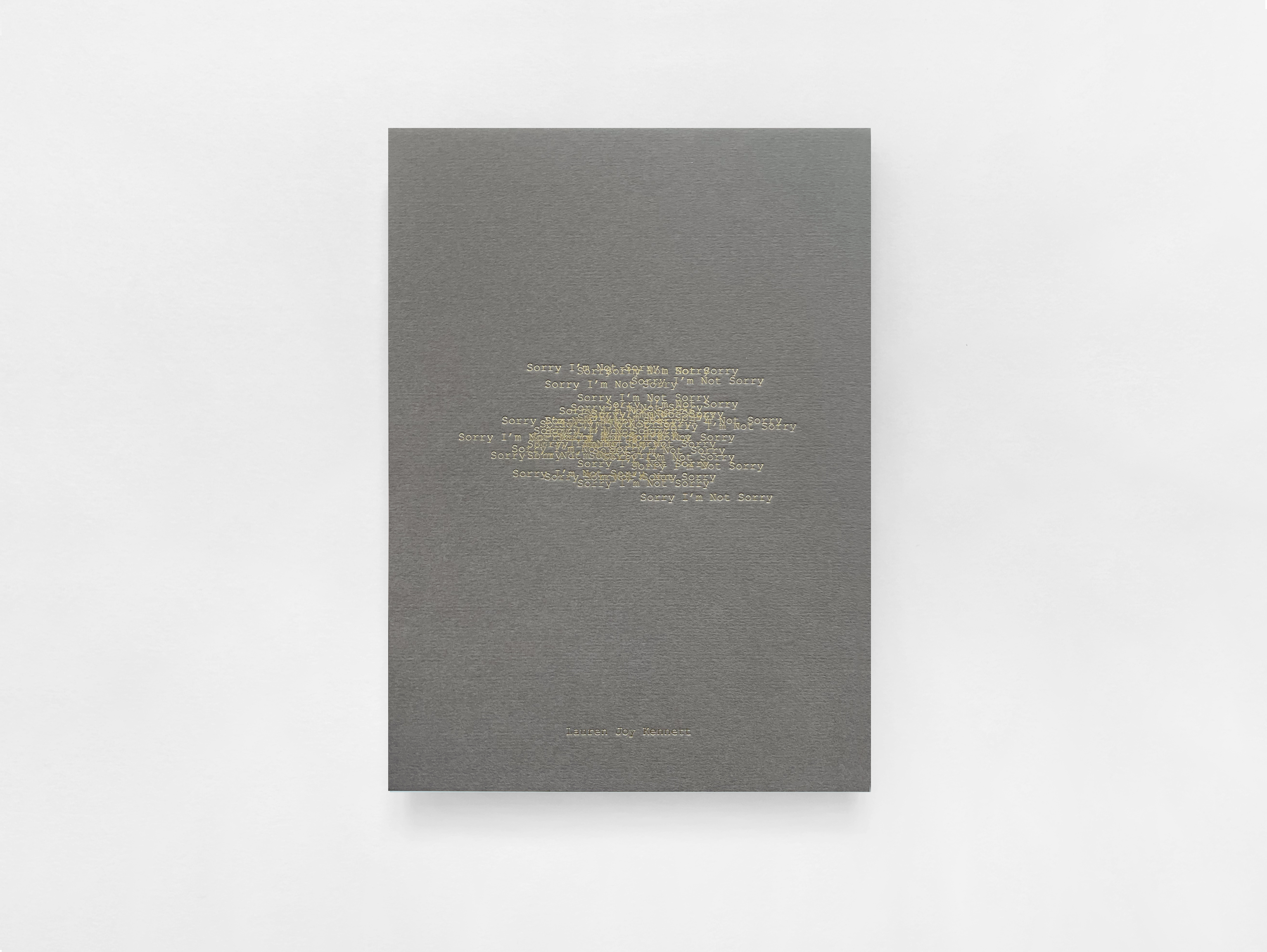
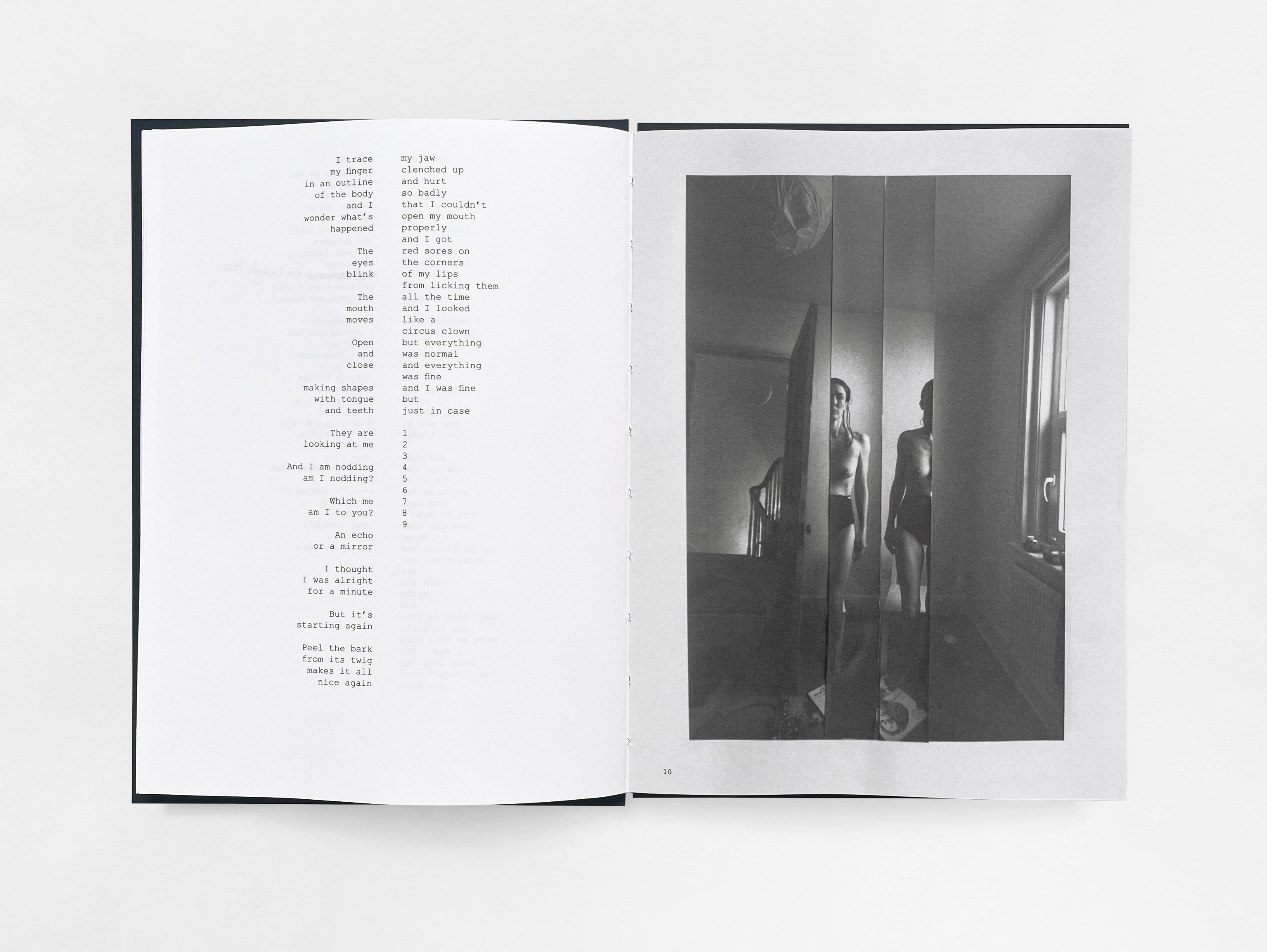
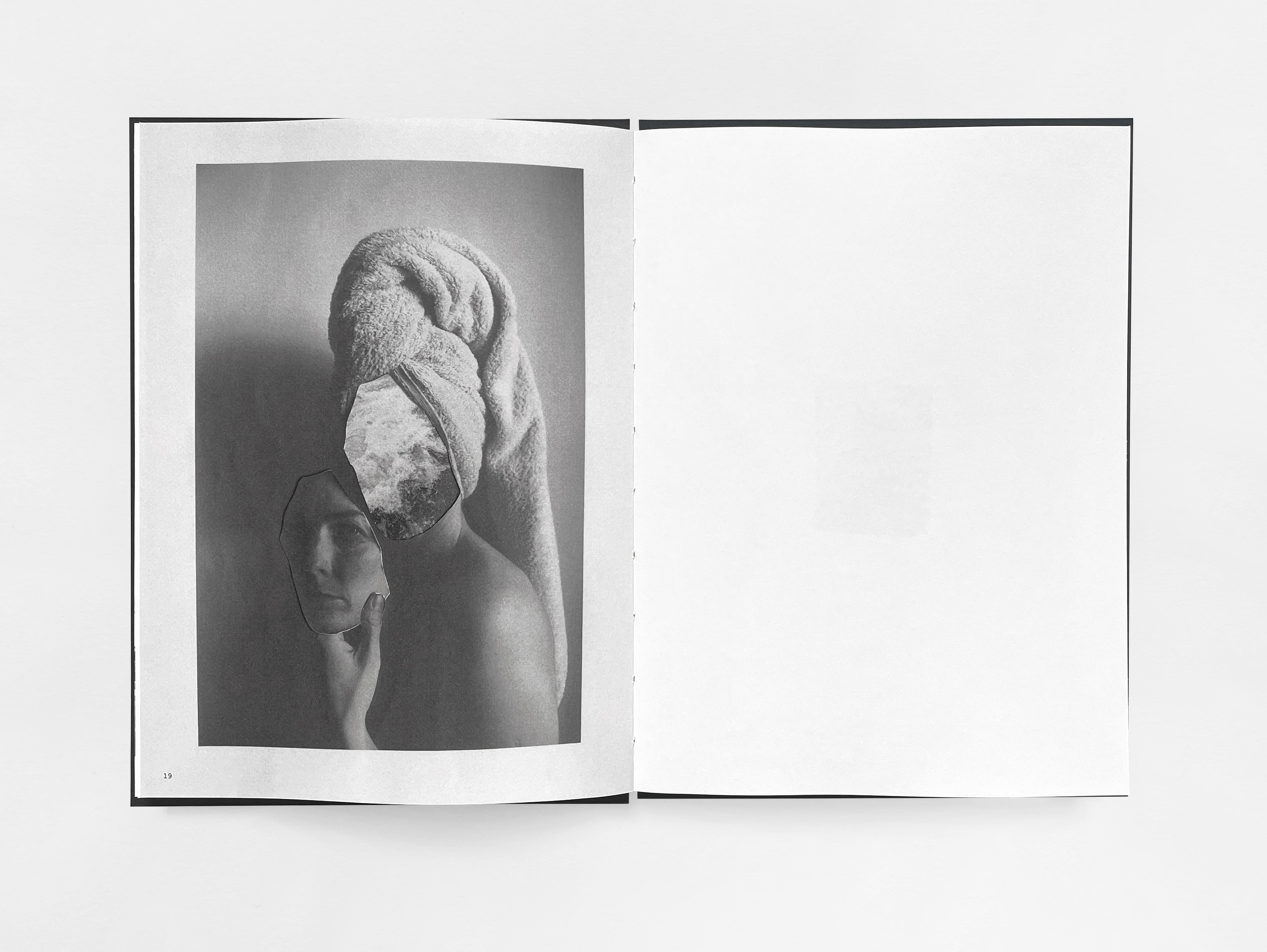
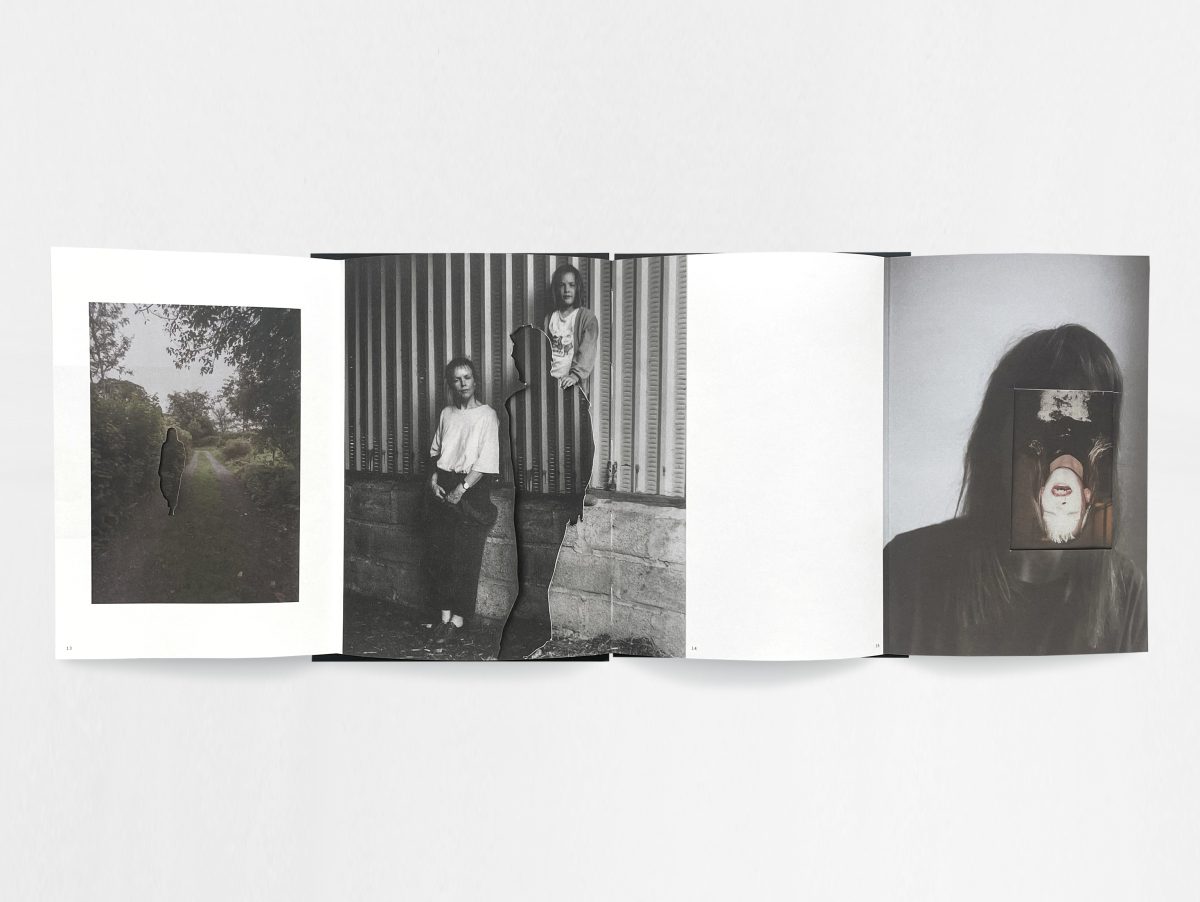
I recently sat in Photoworks x POST’s new photobook club where we discussed LJK’s book Sorry I’m Not Sorry. We discussed the generosity LJK presented through her raw photographs and poetry, and that we couldn’t imagine the book without the words. As we slowly flick through the pages, there’s a sense of care and softness she provides us with and the flow of the book allows us to pause, reflecting on the words before seeing another photograph, and vice versa. The words don’t overwhelm you, although LJK describes them as a muddled string of subconscious, the poetic style and rhythm allows you to breathe, not rushing the words as you read down the page. The two artforms work together to create a space of safety, filling your brain with thoughts and questions – she lets us in and breaks down those barriers for us.
Activity
Using LJK’s book as a reference, with the images below, look at the photo and write down what questions come to mind, what does it make you think of and what information you discover.
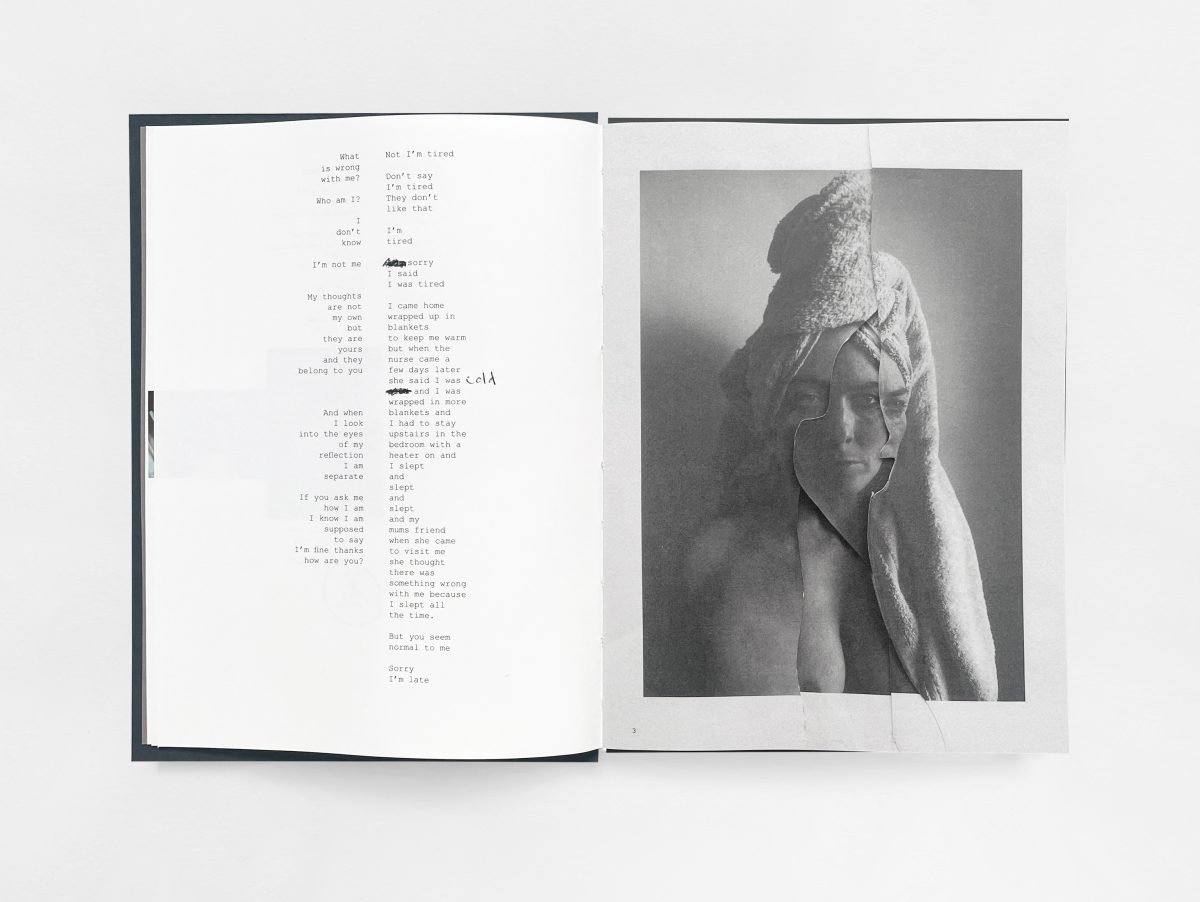
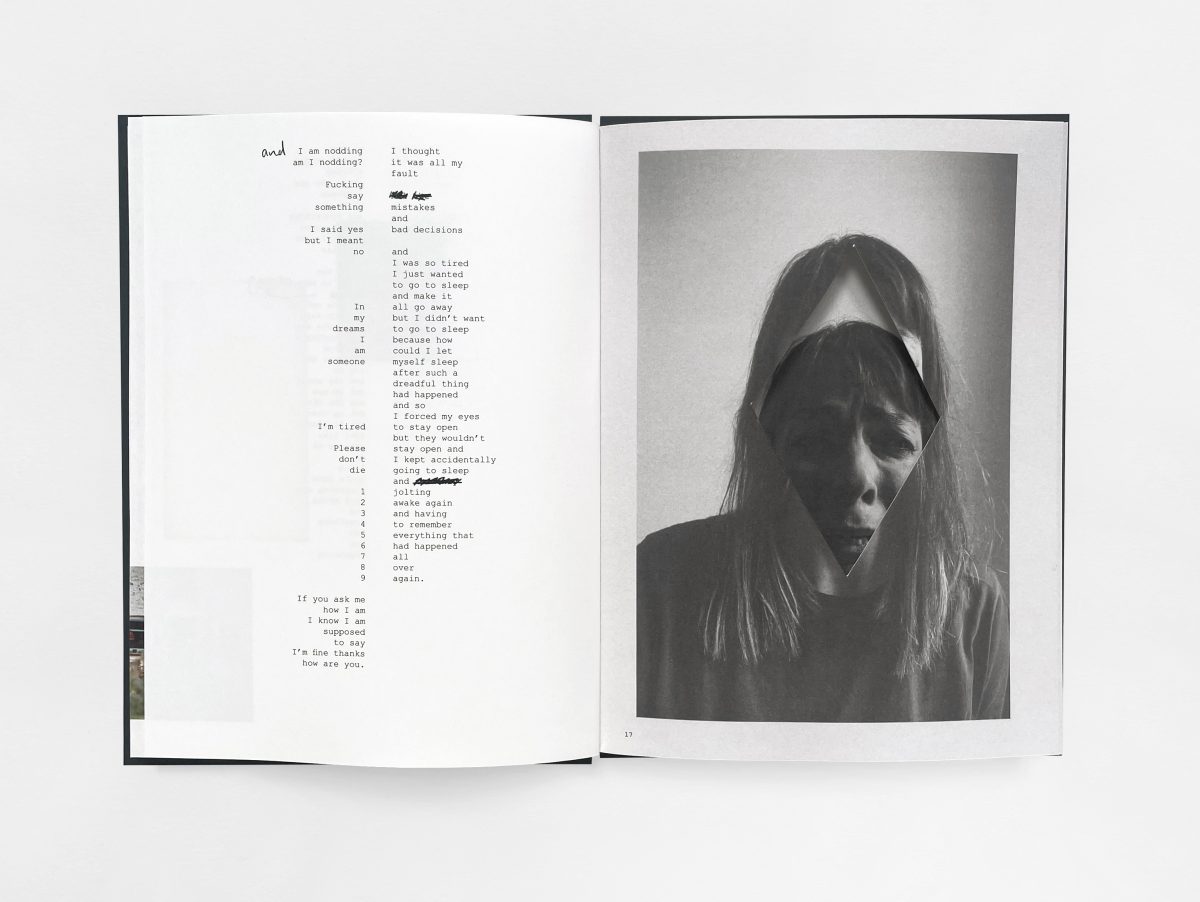
Now read the text and repeat the task, adding a layer of questions you still have which remain unanswered in either the poetry or the photography.
Once you’ve completed both tasks, using the prompts, reflect on how you engaged with the work and whether the poetry helped you access the work on a deeper level:
- How did the image alone make you feel?
- How did your thinking differ to seeing the image on its own in comparison to reading the text
- What did you find out after reading the text? How did it make you feel?
- What questions appeared?
- When the two mediums are engaged with together, what happens?
Phoebe Wingrove (b.1996) is a practicing artist and artist facilitator, and is currently the Learning and Engagement Coordinator for Photoworks. Her art practice uses abstract photography and mixed media to ethically visualise health experiences of women, non-binary people, trans-women and AFAB (assigned female at birth) people. Her work serves as a conduit for exploring her own health experiences as well as those of her friends and family. She holds a BA in Graphic Design from Nottingham Trent University, where her design expertise significantly influences her visual creations. In 2022, she completed a PGCE at the University of Brighton, fueling her passion for raising awareness and creating educational opportunities about women’s health through art. In 2024 her exhibitions In the Dark: Vaginismus and In the Dark: Birth were featured on the BBC News. She lives and works in Brighton, England.
Lauren Joy Kennett is an autobiographical autistic artist working with photography, hand-cut collage, and inner monologue. Through cutting and collaging her memories, she creates fragmented self-portraits to process the misunderstanding and trauma she experienced living with undiagnosed autism. Text runs through the work as a material in itself – transcribed, fragmented, placed in dialogue with image. Her work explores the human condition, vulnerability, and the complexities of personal relationships. LJK’s current project, The Trouble With Women, is funded by Arts Council England. She won the Photoworks × Aspex In Focus commission for neurodivergent artists, producing her first solo exhibition, Sorry I’m Not Sorry. Her first book, Sorry I’m Not Sorry, is published by Photoworks in collaboration with Jane & Jeremy and funded by Project Artworks.