Phoebe Wingrove and Juliette Buss sit down with artists Eva Louisa Jonas and Kairo Urovi to reflect on the ideas of community building they explored with young participants through their work as part of the Queer Grounds programme.
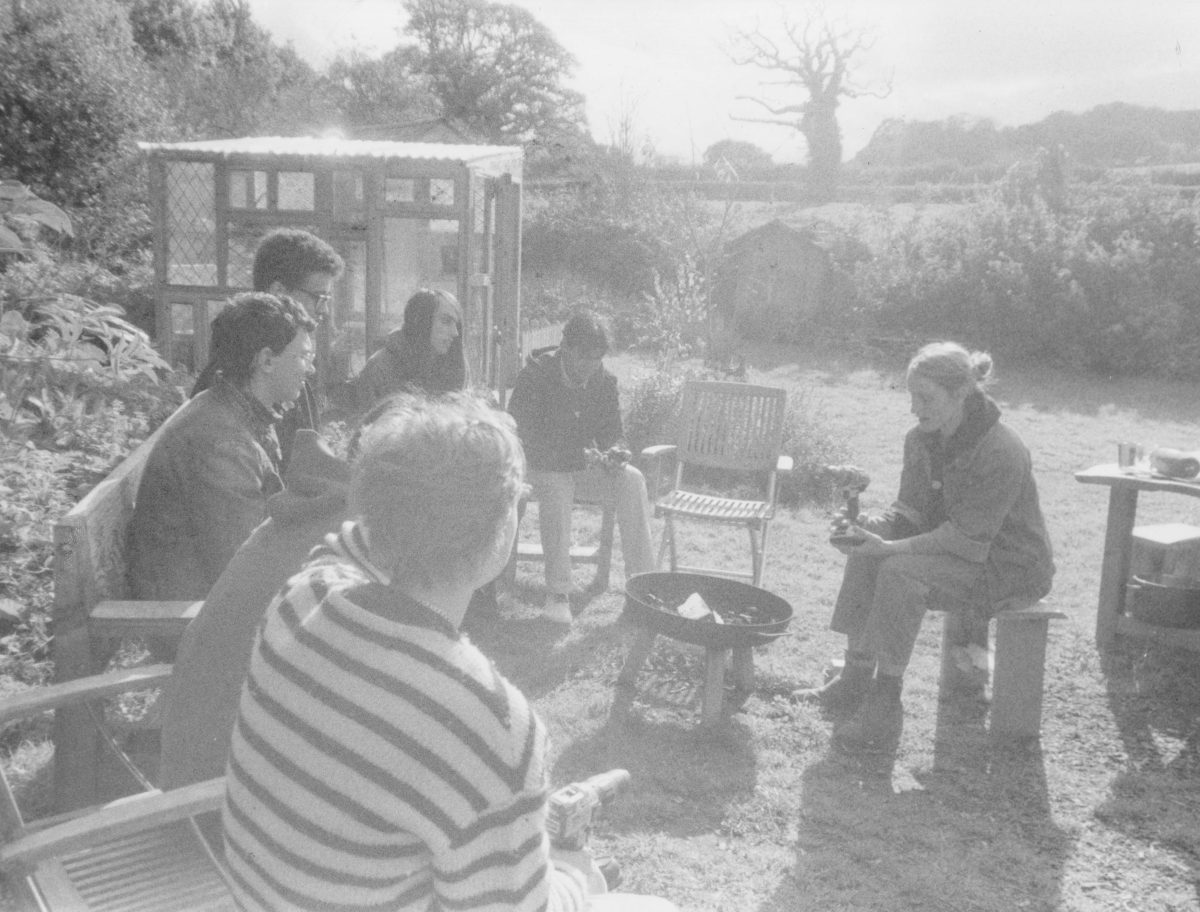
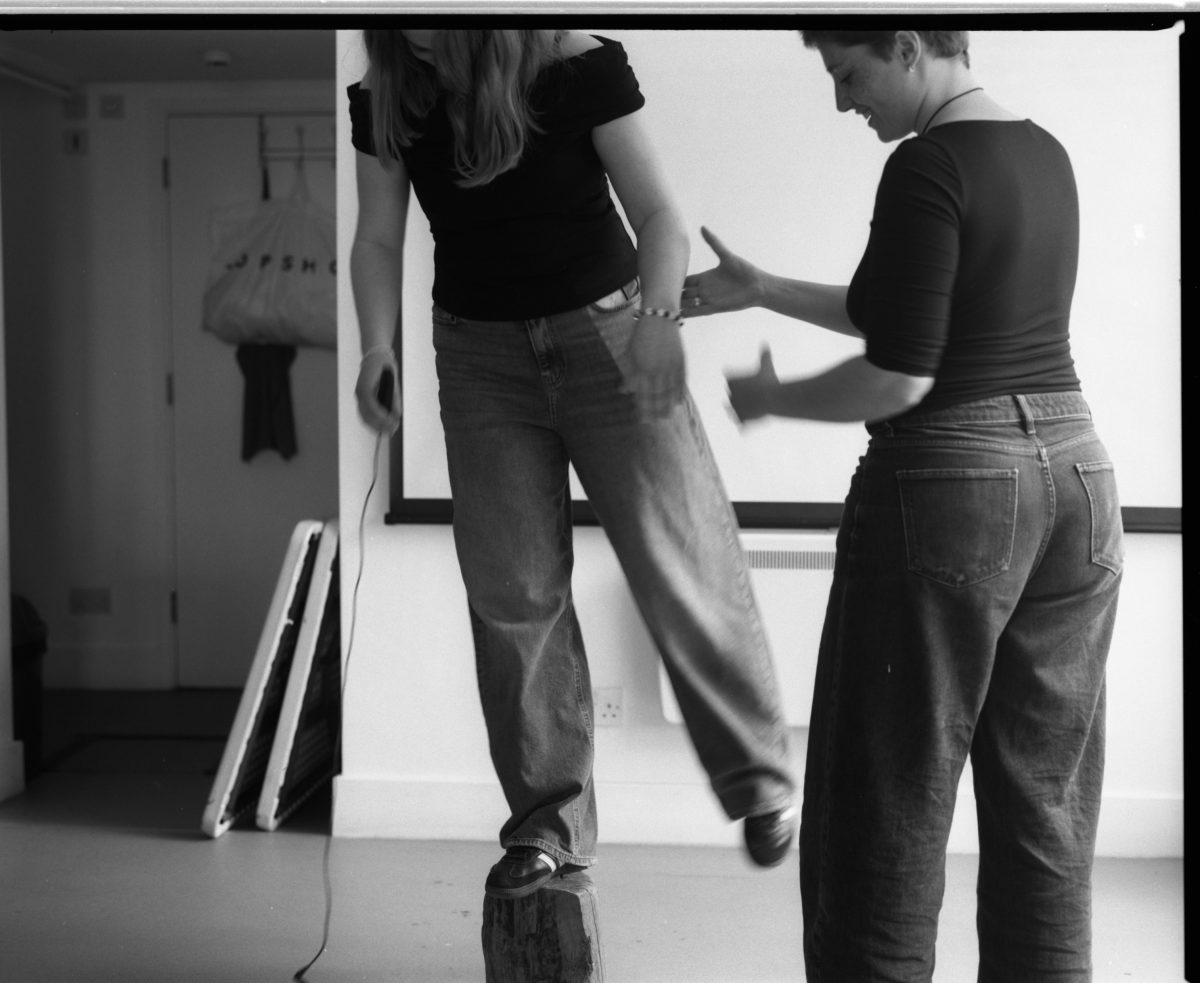
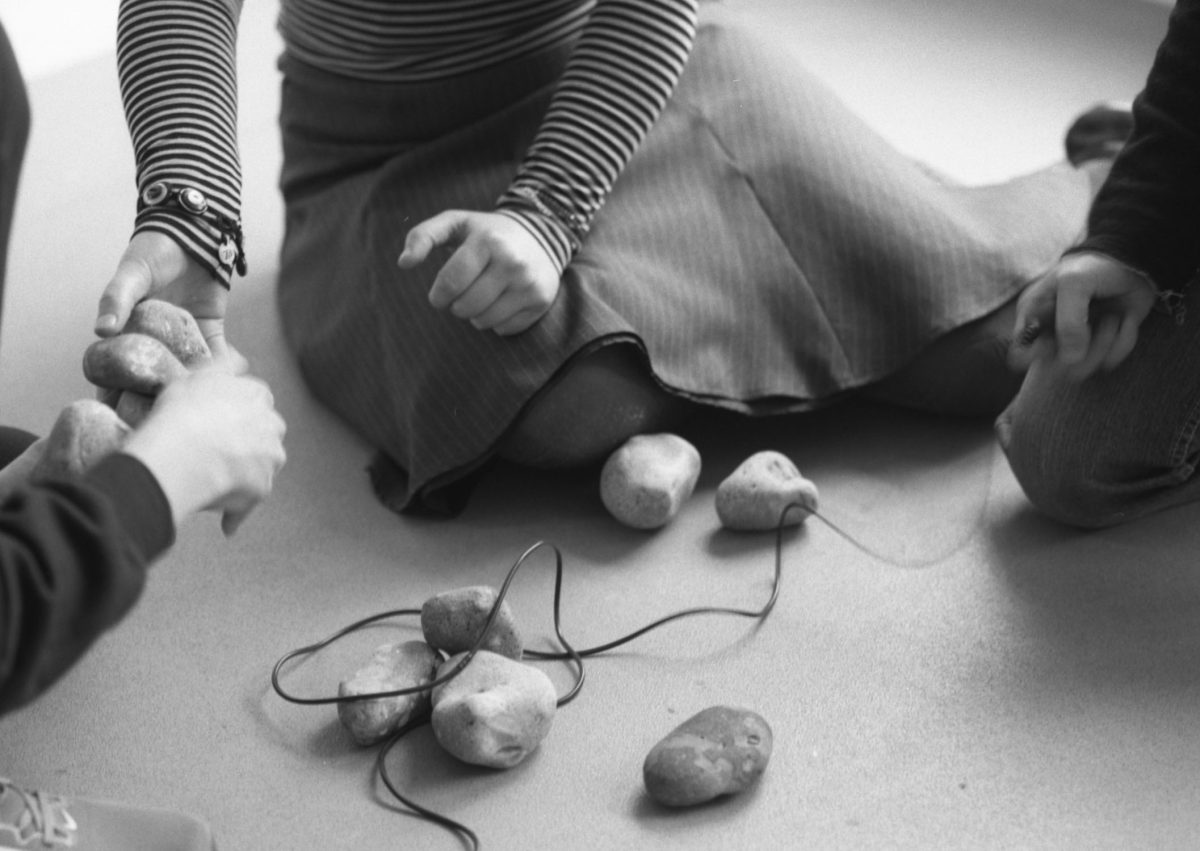
Images were taken collaboratively by artists and participants of Queer Grounds
Queer Grounds is a free programme of LGBTQ+ friendly creative workshops for young people that culminated in Where We Meet, an exhibition for Photoworks Festival at Jubilee Library exploring queer community organising and DIY building culture.
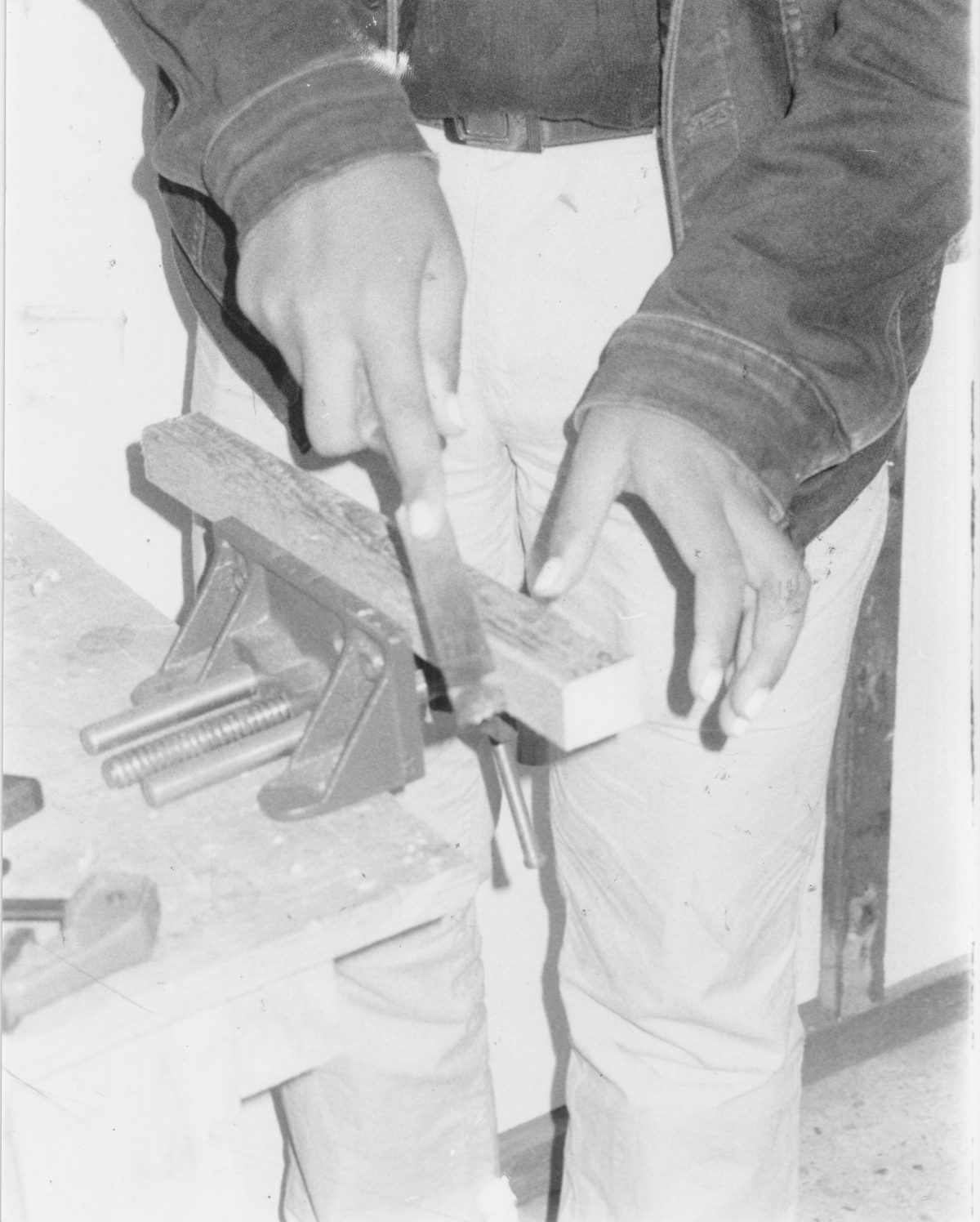
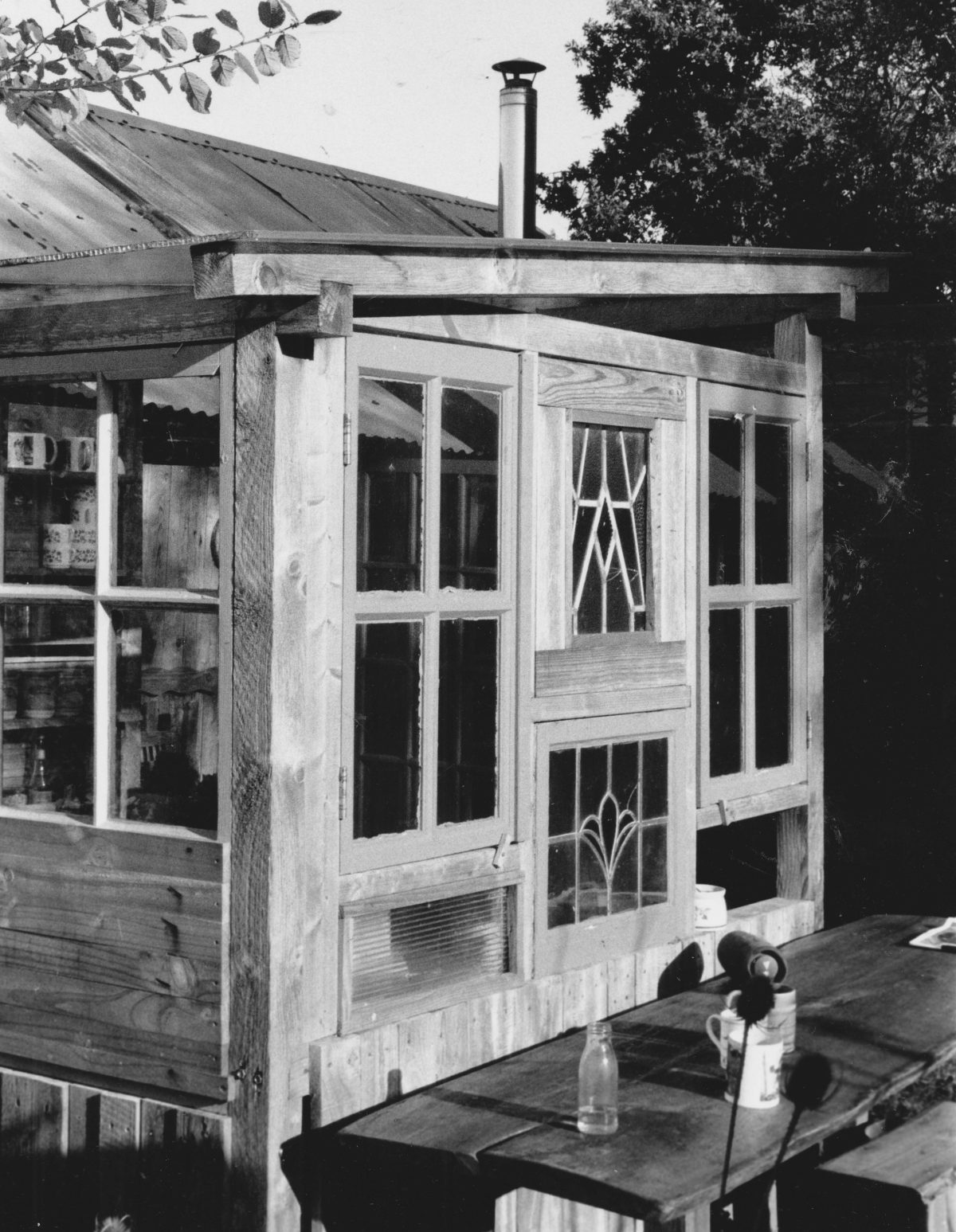
The exhibition traces moments of engagement with tools, timber, workshop structures and one another, gathered during a workshop with the queer-led carpentry organisation In Our Hands, based in West Sussex. The artworks sit within a wooden structure devised by the artists and created by In Our Hands.
Images were taken collaboratively by artists and participants of Queer Grounds
Phoebe: When designing Queer Grounds as a programme, what was important to you and Kairo? And how did it sit within the queer community?
Eva: I think I’m always really struck by the fact that, when you’re thinking about queer themes, there’s often an inherent leaning towards identity, representation and community. But for me, there was also something here about really exploring what a queer infrastructure could be in its simplest terms, using photography and the creative process as a conduit to explore that.
Kairo: I agree. I think when you’re a young queer person, there’s so much of this process of understanding yourself. There’s this quiet dance between your inner world and the outside world, and there’s always this exchange of knowledge and experiences that you’re going through. A lot of the time it can be quite lonely. If you don’t find a way to reach out, it can become quite an internal experience.
I think it was important to create a space where people didn’t have to go into too much depth about those inner experiences, but where there was room for them to emerge if they wanted to.
Juliette: I really like that about the programme because, with LGBTQ+ and youth-focused programmes, there are often assumptions about what will be explored — identity, representation and community. But actually, when you unpick it further, the idea of community is often used quite broadly, and it’s been important to unpack what it actually means.
Phoebe: How do collaboration and collaborative practices help communities imagine and create hopeful spaces or futures?
Kairo: I think in a world of increasing hostility towards migrant, queer and trans communities, it’s becoming almost impossible to live entirely on your own without relying on others.
Having organisations like In Our Hands — these pockets in society that have managed to exist and sustain themselves — offers a way of imagining what you can do in your own everyday life.
Images were taken collaboratively by artists and participants of Queer Grounds
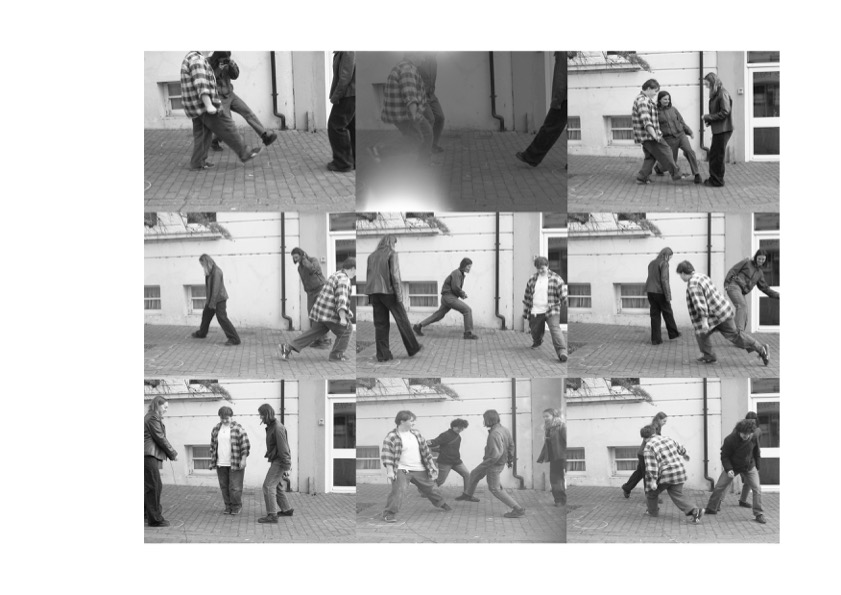
Eva: There were prompts running throughout the workshop series that invited people to make images collaboratively. But I wasn’t expecting there to be so much blending of work and such a willingness to let go of individual ownership of images, which is such a significant conversation within photography as a medium.
Juliette: You’re introducing some really big ideas, but showing them through small, practical steps that people can take to begin that journey themselves.
DIY culture, self-organising and self-building is really inspiring, but can also feel unattainable. What you did was demonstrate that these things can be possible. You showed the importance of coming together, unpacking what these things involve in a realistic way and supported young people to take those first steps towards a different way of thinking and being.
Images were taken collaboratively by artists and participants of Queer Grounds
Phoebe: What role did photography play in these collaborative processes?
Kairo: Photography, as a tool, carries such a long and complex history. Approaching it playfully and asking, what is this thing I’m holding? What is this thing I’m inviting people to work with? How do we figure it out together through the prompts we’re offering? opens up so many possibilities.
How do you document the building of these infrastructures? How do you document your experience of them? And what can photography offer in that process?
Eva: It was a really interesting process because we were trying to blend different ways of working. Sometimes that worked, and sometimes it landed differently, but what was exciting was that participants were constantly moving between making images, appearing within them and responding to one another. It all felt very live, whether that was using a point-and-shoot camera or a cable release.
Images were taken collaboratively by artists and participants of Queer Grounds
Phoebe: Thinking about Photoworks Festival’s themes, how do programmes like Queer Grounds help address themes such as climate change, belonging, resilience and social change?
Eva: I think the programme has been less about addressing those issues directly and more about asking what kinds of social and material conditions can bring about or reveal things like resilience and belonging.
When I think about climate breakdown, I also think about In Our Hands as an ethos — reworking as a model, and an alternative way of organising and sourcing materials.
Kairo: Even through simple acts like handing cameras to each other, swapping them or lending someone a pen, you’re reminded that if you don’t have something, you don’t necessarily need to buy it. You can simply ask someone who does.
That teaches you something about letting go of the idea that you need to own everything yourself. Instead, you begin to realise that you can turn to your neighbours and your community.
Images were taken collaboratively by artists and participants of Queer Grounds
Eva: Thinking about those wider themes, there were some beautifully subtle moments that surfaced during our time at In Our Hands. They spoke about ways of exchanging, offering and accepting rest.
The founders of In Our Hands are very aware of the wider analogies that can be drawn between their practice and society more broadly. Much of the experience was about finding — or being given permission to cultivate — a language of reflection, care and rest.
*In Our Hands delivers an inclusive and empowering building space to those historically excluded from it.
Phoebe Wingrove is an artist using abstract photography and mixed media to ethically visualise health experiences of women, non-binary people, trans-women and AFAB (assigned female at birth) people.
Eva Jonas is a visual artist and educator based in London. Originally from Cornwall and later based in Brighton, her practice explores the body as a site of mediation in how we experience, move through, and relate to landscape.
Kairo Urovi is a visual artist based between Essex and Shkoder (AL). His work revolves around the complexities of that statement. Of being born and raised in Italy, with a family originally from Shkoder (Albania).
Juliette Buss is Head of Learning & Engagement at Photoworks.