#32 Un/Stable
This edition of Photography+ takes the theme of Photoworks Festival 2026, Un/Stable: Lands, Anxieties, Dreams, as its starting point. Photography+ Un/Stable explores the interconnectedness between humans and nature, and the role of photography and art in mediating new and sustainable frameworks to live through uncertainty while imagining or creating hopeful futures.
Featuring writing from: Deborah Ireland, Echo Callaghan, Amin Yousefi, Liza Faktor, Phoebe Wingrove.
Community submission artist: Barkat Mehra.
Read editor's noteThis issue of Photography+ takes its starting point from Photoworks Festival 2026, Un/Stable: Lands, Anxieties, Dreams. The title describes a condition that feels increasingly familiar. Places change, political certainties weaken, environments are damaged, histories are revised, and the ways we understand ourselves and one another remain open to change. Photography has an interesting place within this landscape. We often turn to photographs when we want something to remain visible or be remembered, yet photographs rarely stay attached to one meaning. They move between private and public life, between archives and exhibitions, and between one generation and the next. Their meanings depend on who makes them, who keeps them, who describes them, and who eventually encounters them.
The contributions to this issue approach that instability from very different positions. Some look backwards through archives. Others begin with a body, a landscape, a forest, or a community being formed in the present. Across them, photography becomes a way of asking what can be preserved, what can change, and whose knowledge determines how something is understood.
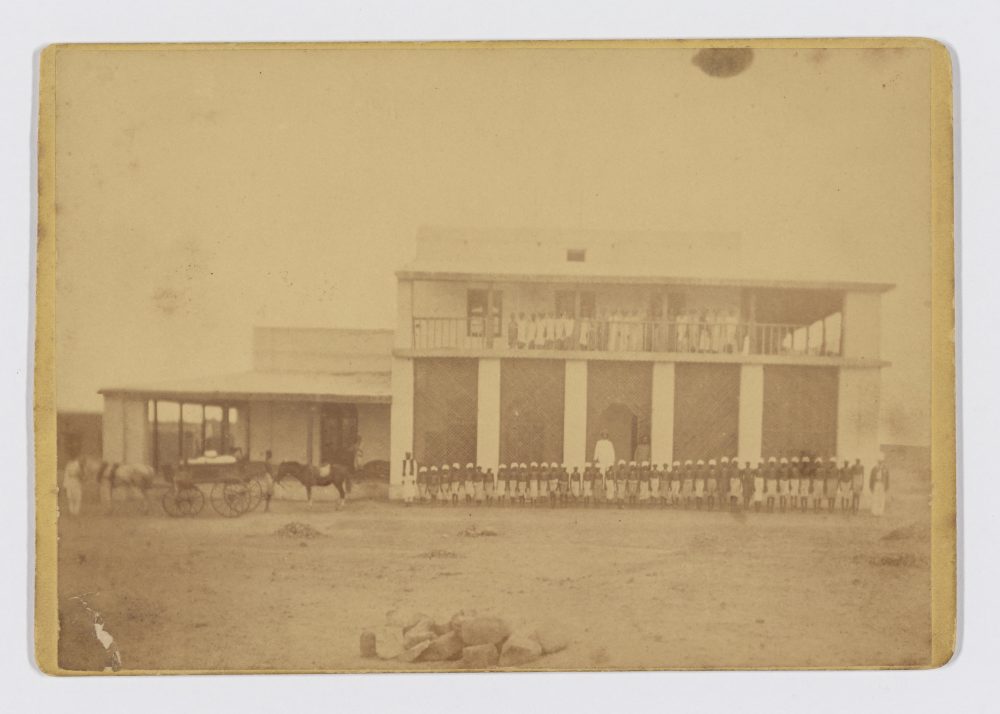
Deborah Ireland’s Antinomies of Remembrance follows research undertaken with Jermaine Francis, beginning with two photographs held in the Royal Geographical Society collection. The research leads into the history of slavery and abolition around East Africa and the Indian Ocean, and to people whose lives survive through photographs, registers and institutional records. Many of these individuals were described as “Liberated Africans” even though they continued to experience forced movement and limited agency. The essay pays close attention to what archives record, while remaining aware of everything they have failed to preserve.
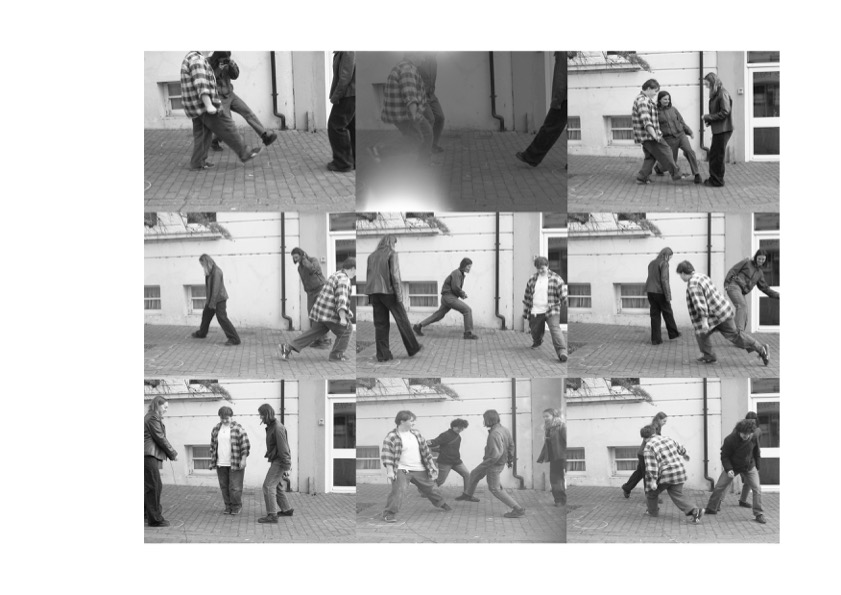
Questions about where one thing ends and another begins appear differently in Echo Callaghan’s Transcending the Body. Writing about Sam Kaufman’s Pseudomorph and Deb Choudhuri’s The Weight of the Earth, Callaghan considers bodies that seem to extend into their surroundings. A cephalopod changes its appearance and releases an inky likeness of itself. Human bodies meet sand, vegetation and light until the distinction between figure and landscape becomes uncertain.
Liza Faktor moves further into the living environment in Interventions on Behalf of the Forest. Her essay considers artists working with forests through sound, photography, burial, scientific research and Indigenous knowledge. Forests appear here as places carrying memory and damage, but also as living systems with timescales and forms of communication that exceed human experience.
The conversation around Queer Grounds brings the question of stability into social life. In Photography, Collaboration and Building Queer Infrastructures, Phoebe Wingrove speaks with Eva Louisa Jonas and Kairo Urovi about collaboration, shared authorship, and creating spaces where resources, cameras, and knowledge can circulate among people. Their discussion makes the community feel practical rather than abstract. It is something made through repeated acts of sharing, trust, and participation.
My own contribution, Un/Stable Pages, accompanies the Festival Photobook Table and considers what happens when photographs enter a book. Sequence fixes images into an order, while reading continually changes the relationships between them. A photograph encountered at the beginning of a book can mean something different by the time we return to it.
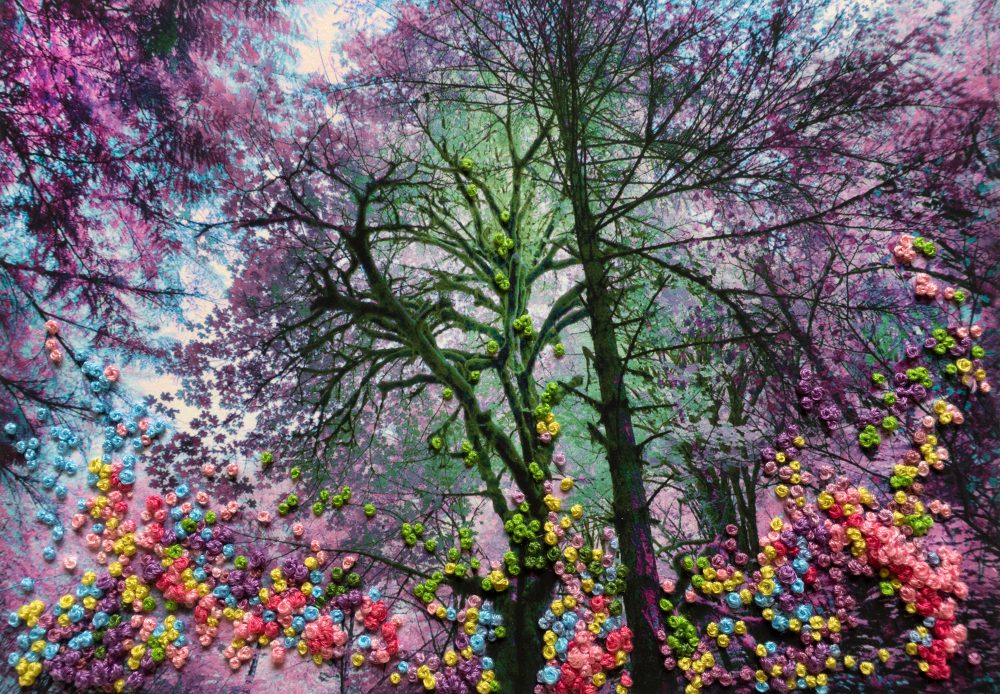
For this issue, continuing a familiar Photography+ tradition, we invited our community to respond to the theme “Un/Stable” with their own images. From the submissions we received, Underwood by Barkat Mehra was selected as the featured image.
Together, these contributions approach instability as something we live through rather than something photography can resolve. I hope this issue offers a useful place to stay with some of those questions, during the Festival and after it.
Editor
Amin Yousefi
Antinomies of Remembrance
#32 Un/Stable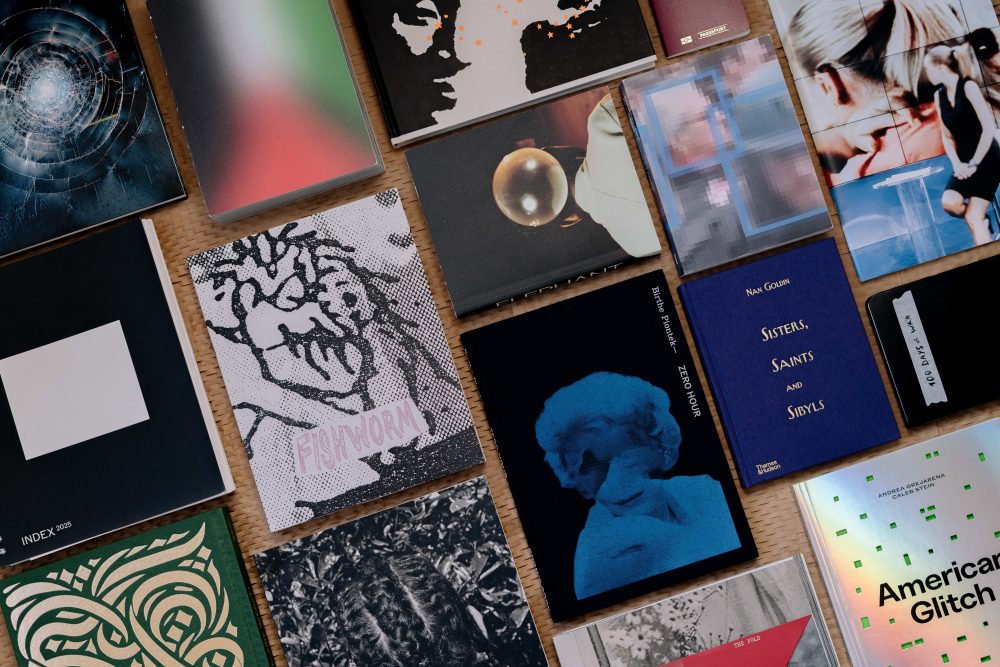
Un/Stable Pages
#32 Un/Stable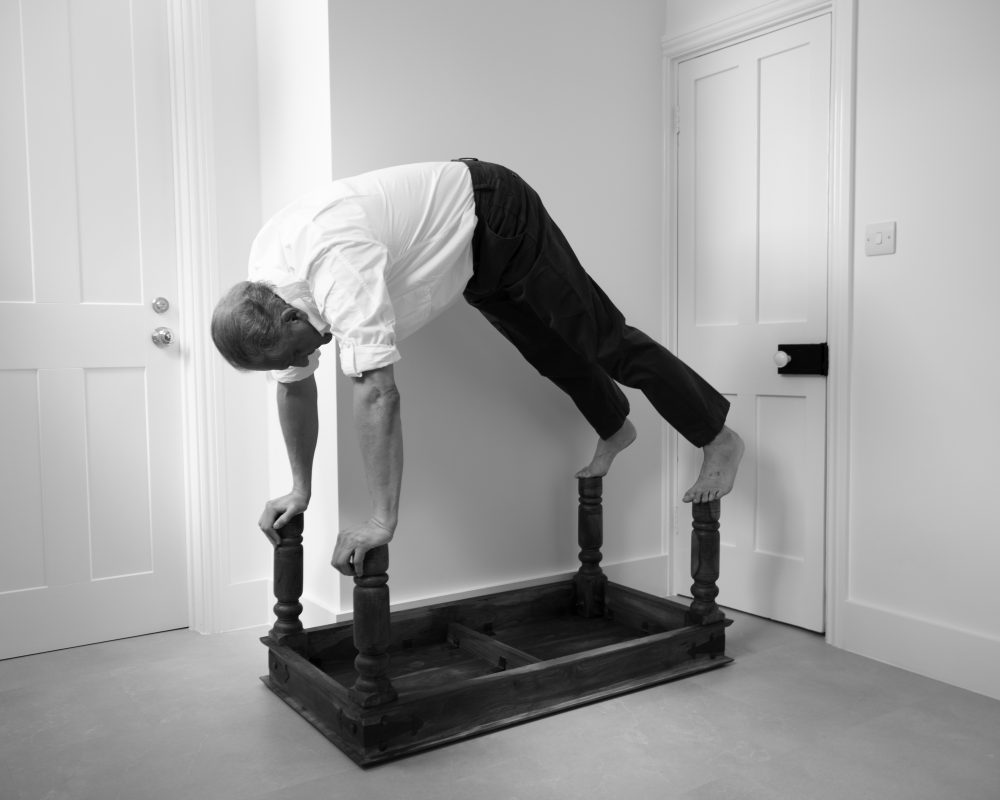
Community Submission: Underwood by Barkat Mehra
#32 Un/Stable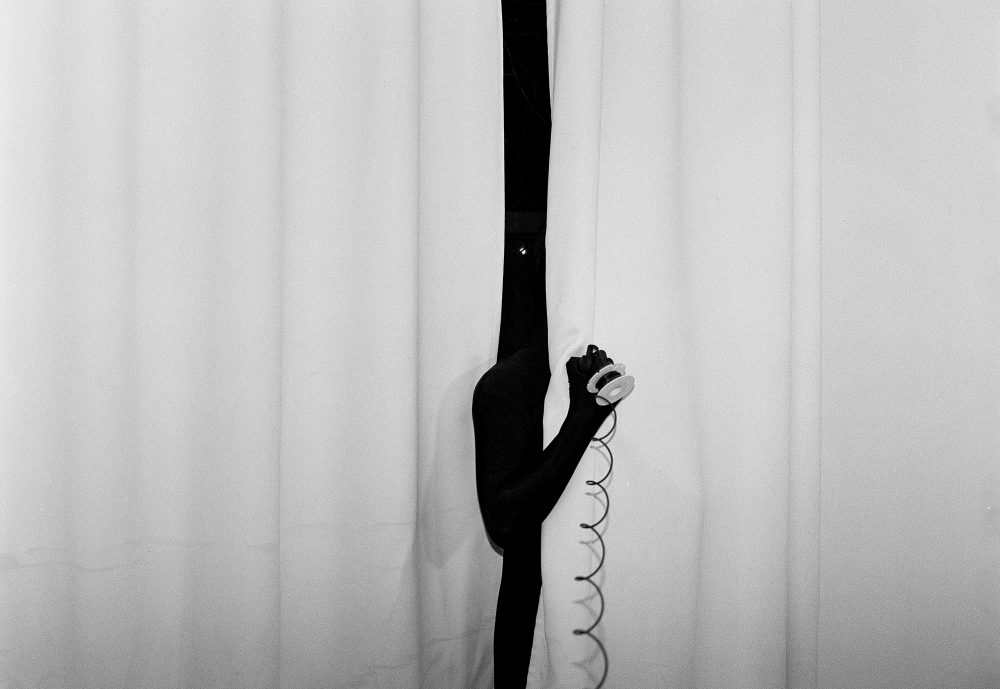
Transcending the body
#32 Un/Stable