

Part of Photoworks Festival 2026
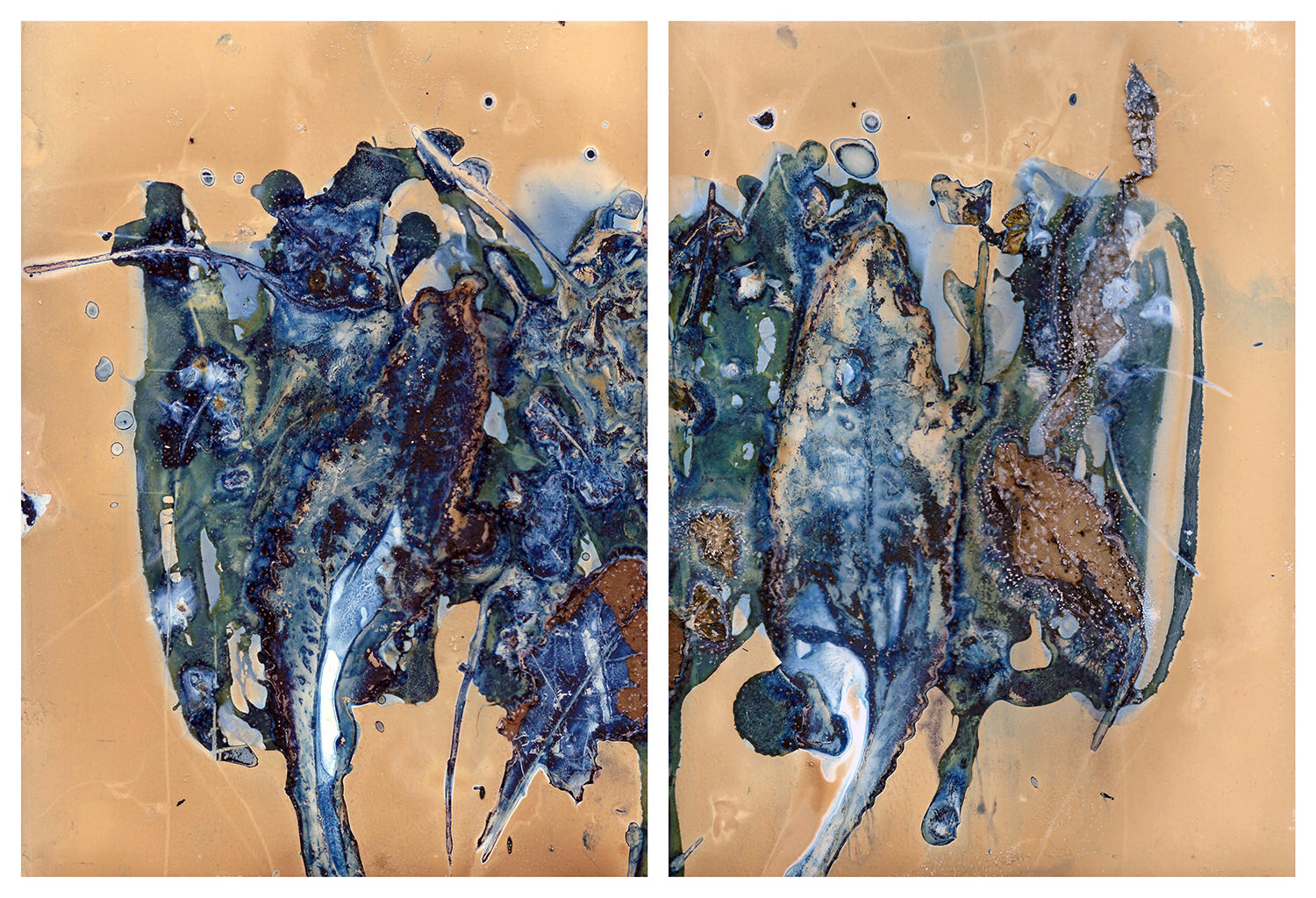
A resource exploring cameraless photography and environmental concerns through the work of Aindreas Scholz.
Introduction
Using Aindreas Scholz’s work as a point of departure, this resource explores how camera-less photography can visually archive traces of the environment using materials found in nature.
Activities encourage students to pay attention to the outdoors, learn 19th-century camera-less photographic techniques, and explore new ways of making images with, rather than about, the environment. Camera-less processes include cyanotypes, anthotypes and lumen prints as alternative ways of making photographic images.
Aindreas Scholz
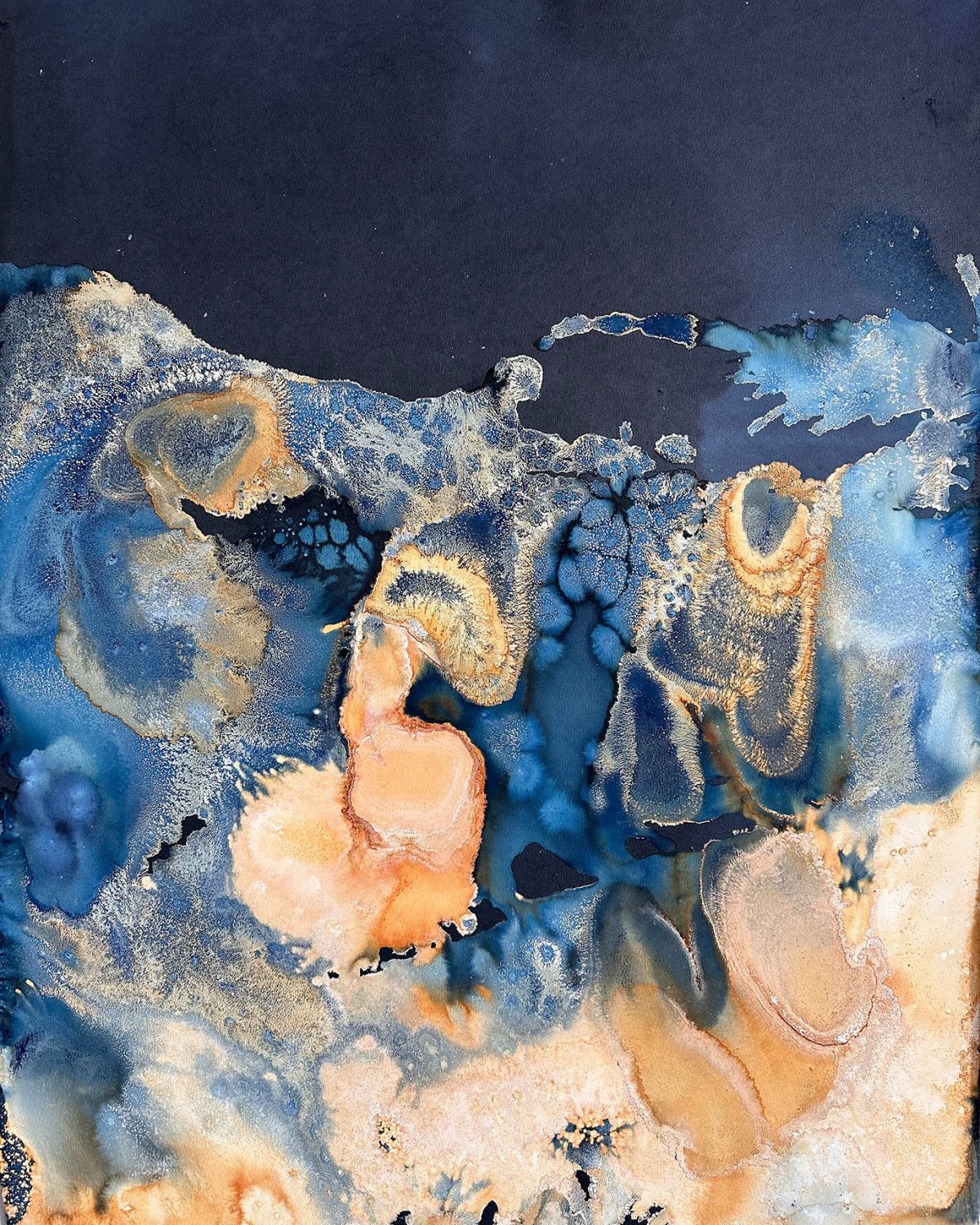
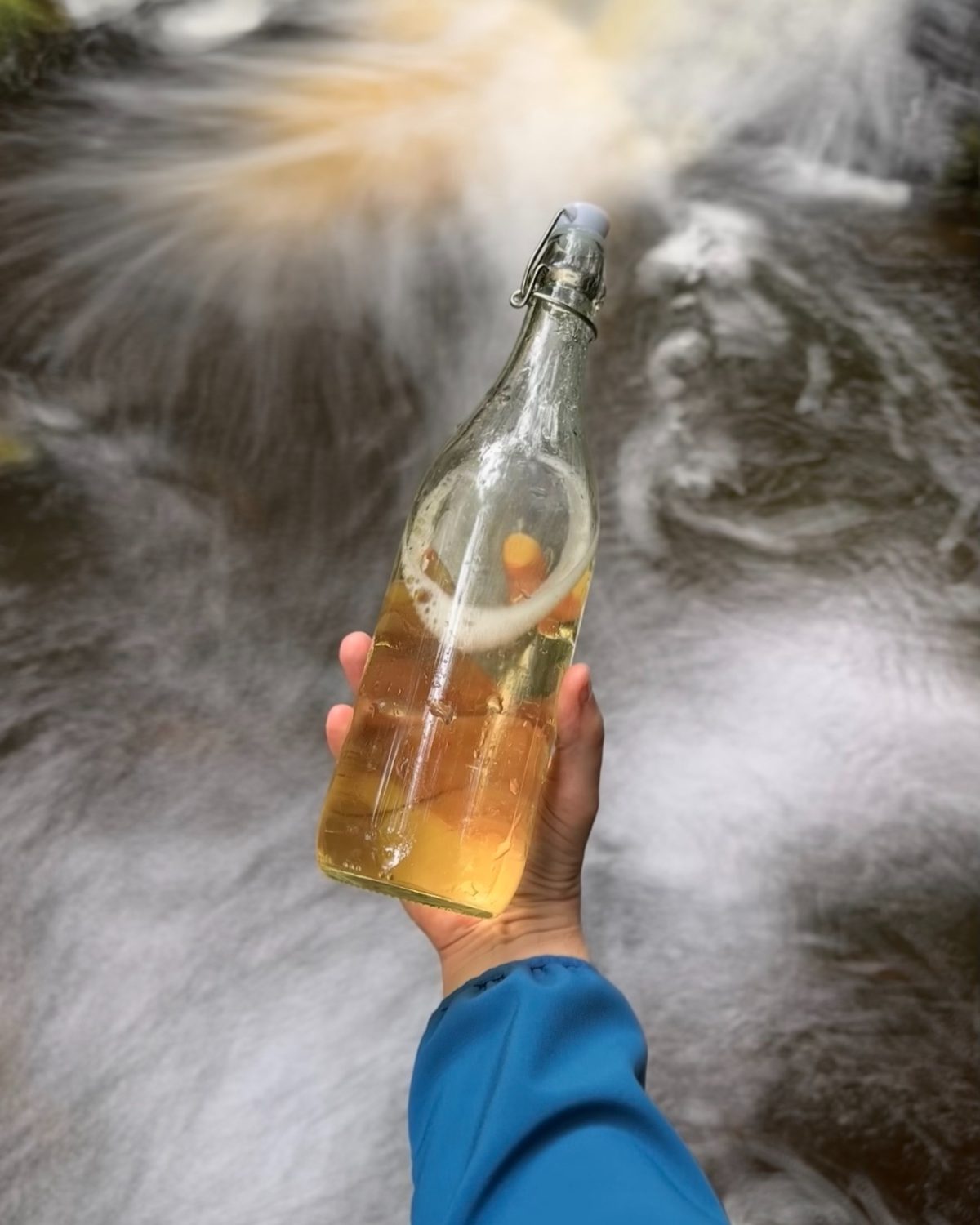
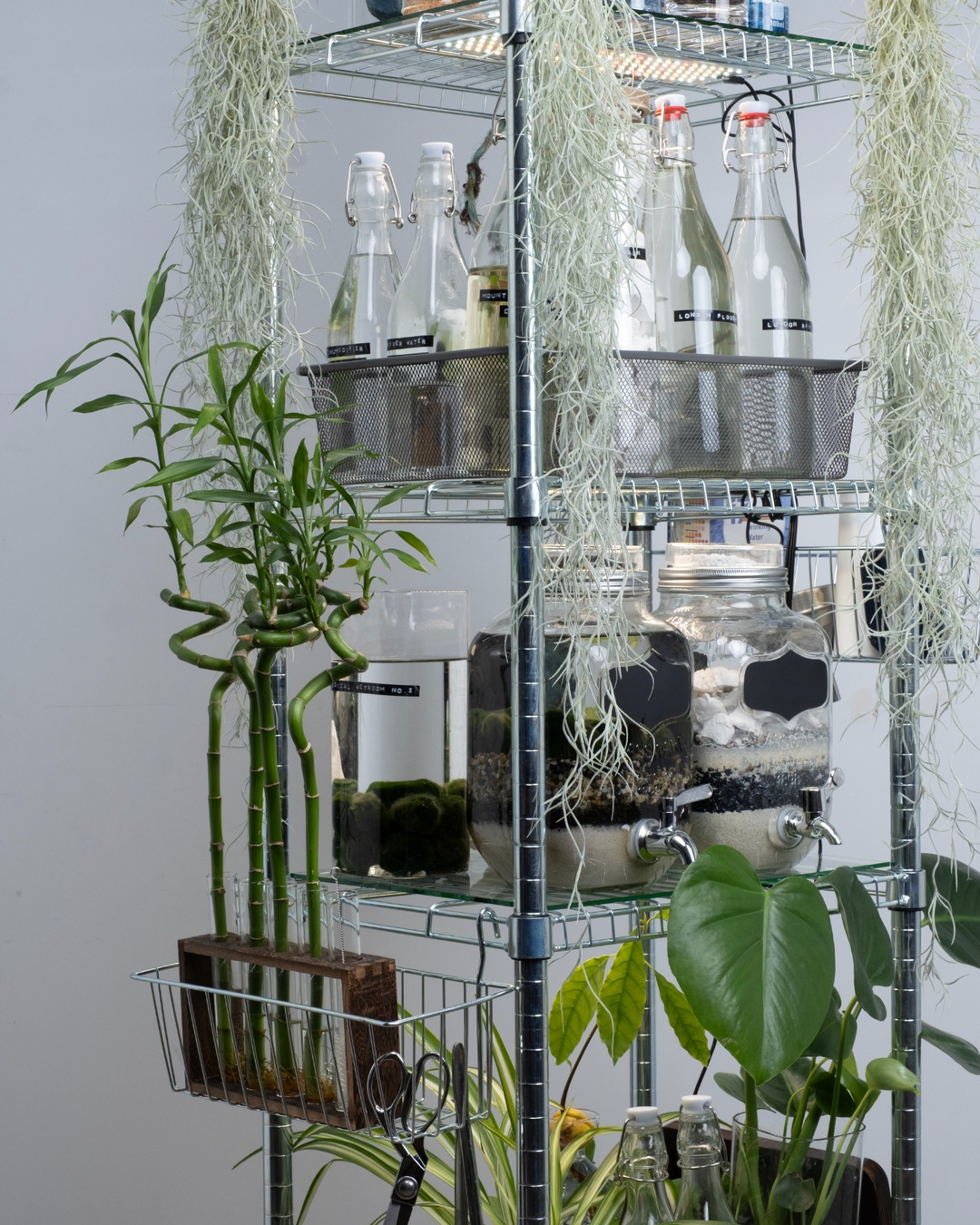
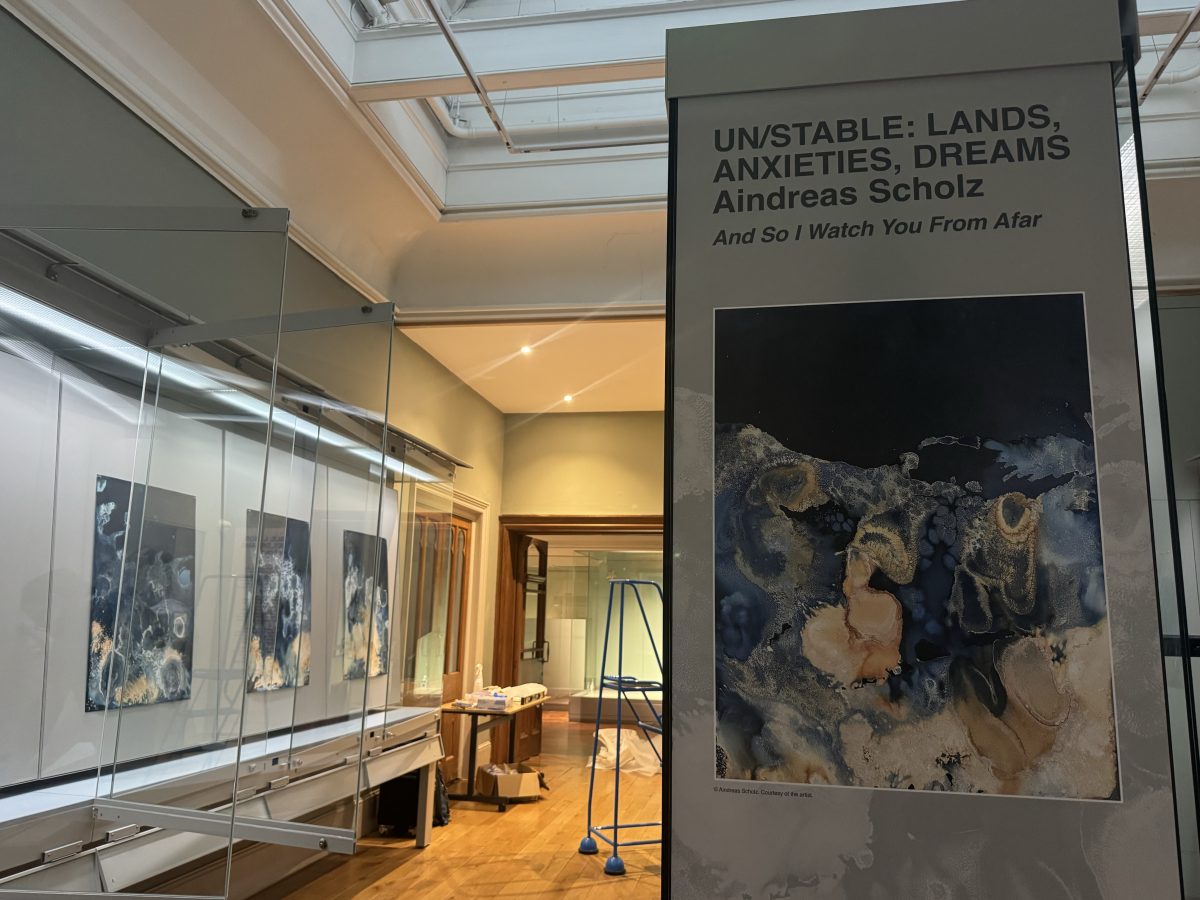
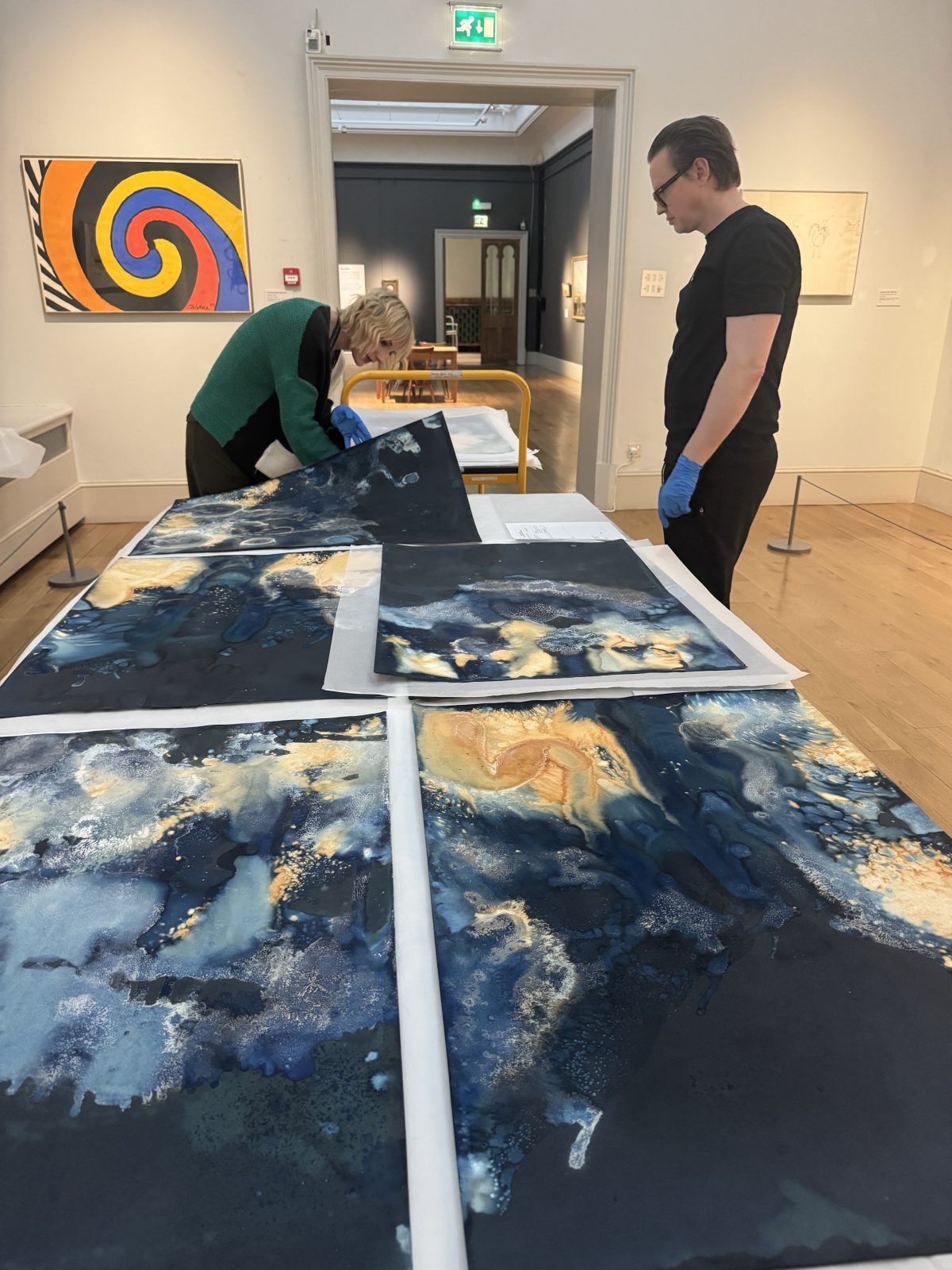
Aindreas Scholz is a London-based photographer who creates physical records of our changing environment using 19th century camera-less photography techniques. Scholz replaces traditional darkroom chemicals with natural materials, such as polluted seawater, acidic rainfall, disturbed soil samples, and vulnerable plants, to make prints on paper. His large-scale, colourful and abstract cyanotypes make human impact on nature tangible in striking and unexpected ways.
His works And So I Watch You from Afar and The Most Beautiful Anthropocene are part of Photoworks Festival 2026.
Context
We are living in a time many people refer to as the Anthropocene. Popularised in 2000 by chemist Paul J. Crutzen, the term describes a period in Earth’s history in which human activity has a significant influence on climate and environment. The Anthropocene is characterised by significant global warming and changes to land, water, organisms, and the atmosphere.
Historically, photography has a complex relationship with our environment. Both analogue and digital photography rely heavily on the extraction of natural resources, contributing to the climate crisis. Scholz’s work encourages us to ask: how can photography, through its materials, methods and infrastructures, actively respond to the climate crisis?
Find out more here:
I. Sensory Mapping
Duration: 20 minutes
Materials: Sticky notes, pencils or pens
Scholz’s, And So I Watch You from Afar, is the largest cyanotype he has ever produced. This spectacular and visceral 3m x 4m cyanotype envelops viewers in an immersive world, provoking strong emotional responses. Similarly, this opening activity encourages learners to reflect on their relationship with their surroundings and the sensory impact of their environment.
Indoors (5 mins):
Sit quietly in a comfortable position and close your eyes for a minute. Once you are comfortable, think about the space you are in.
- What can you hear, smell, taste and touch?
- Can you hear chatter in the distance, or is it completely still?
- What does the surface you are sitting on feel like?
- What is the temperature in the room?
Once you have a vivid picture in your mind of the space you are in, open your eyes and think about the experience. What did you like or dislike? How does being in that space make you feel?
Write down your thoughts on sticky notes. This could be any form of writing: a single descriptive word, a note recounting some of the things you thought about, or even a memory. You can also draw or scribble on the paper if words feel too small to describe big feelings.
*Repeat this activity outdoors (5 mins):
*If you don’t have access to the outdoors, you can think about your favourite outdoor space.
Find a dry, relaxing spot outdoors to sit or lie down. This could be a park, the hills, the seaside, or your backyard, or garden. Once again, sit quietly in a comfortable position and close your eyes for a minute. Once you are comfortable, think about the space you are in.
Use your senses to think about your surroundings. Take a moment to sketch a picture of that space in your mind. Write down your feelings on sticky notes, just as you did for the indoor activity.
Foraging (5 mins)
Once you have had time to experience both the indoors and outdoors, think about ways to visually represent your feelings using elements found in your surroundings.
- In pairs, exchange the sticky notes and read your partner’s note.
- Go out into the outdoor space and identify objects that symbolise the words.
- Collect five to six objects. These could be rocks, flowers, leaves or feathers—anything that resonates with the words on your sticky notes.
Group reflection (5 mins)
Once you have a collection, place the objects and corresponding sticky notes on the table and review them in pairs. Ask your partner whether your chosen object represents their word or feelings. Finally, invite learners to share their experiences with the group.
I. Lumen Prints
Duration: 60 minutes
Materials: Collected elements from Activity I, expired black-and-white photographic paper, glass frames and clips, sticky notes and pens
Optional materials: Damp soil or sand, seawater or vinegar
For younger children, sun prints such as cyanotypes or anthotypes are inexpensive, mess-free alternatives.
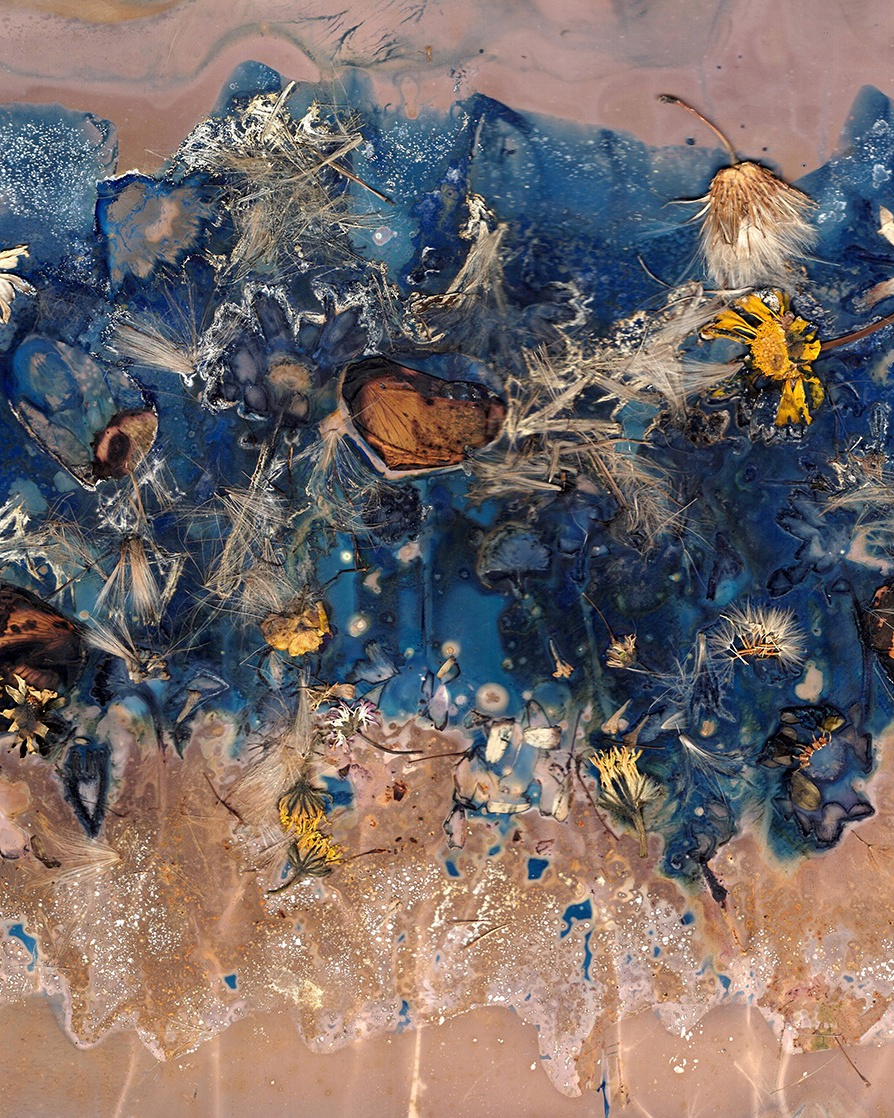
In an interview with Castlefield Gallery, Scholz said: “I often work collaboratively with natural elements such as sunlight, seawater, rain, soil, and plant matter, allowing them to actively shape the final image.” This activity encourages students to explore this idea through lumen prints.
Video tutorial
Watch this short video guide to learn how to produce your lumen prints.
Composition
15 minutes
The first stage of developing a lumen print involves making a composition using the foraged objects from the previous activity.
In small groups, invite learners to look at the foraged objects. Can you tell a story using these objects? This could be something real or imaginary.
- Find a comfortable seat away from direct sunlight in an indoor space.
- Use black-and-white photographic paper as a background.
- Start placing and arranging your foraged objects on top. Experiment by adding or taking things away.
- Use your composition to tell a story.
- Add elements such as seawater, vinegar or damp soil to key areas, if you wish.
Exposure
20–40 minutes
Once your collage is ready, you can expose your frames to sunlight. The outcomes of lumen prints are often determined by natural elements, such as the strength of the sunlight and the texture of the foraged materials. Even if the prints feel imperfect, they can reveal something about the ecological conditions in which they are made.
Writing and group reflection
10 minutes
While you expose your prints to sunlight, make a detailed note of the specific elements in nature that contributed to your artwork, including the weather conditions in which you exposed the prints. If you don’t know some of the foraged plant material, you can use the iNaturalist app to identify it.
For example: “buttercup petals exposed through tree canopy shade, partly submerged in garden soil and washed with stored seawater.”
Once the prints are ready, display all the prints and your notes on the table. Take a few moments to walk around and observe the collection as a group.
Discuss in pairs:
- Did the prints turn out the way you expected?
- How much control did you have over the final prints?
- How did the natural conditions affect your prints?
- Which elements left the sharpest mark, and which ones did not?
III. Collective Voice
Duration: 10 minutes
Materials: Prints from the previous activities, paper and pen
The key question underpinning Scholz’s work is how photography can respond more ethically to the present climate crisis. This activity is a starting point for reflection and open dialogue about ecology, our personal relationships with the environment, and the stories embedded within the land.
Begin by putting all the prints on the wall, forming a large collection of interconnected prints.
Next, invite each pair to present their print and the story behind it to the group.
Presentations
- What story did you try to tell through your print?
- How did the foraged material help you tell that story?
- What did you learn about outdoor space?
- What did you like or dislike about the experience of working together in pairs?
Based on the ideas that emerge through the presentation, invite the group to consider how being outdoors and engaging with nature can help us recognise the importance of the natural world. Sustainable photography practices such as lumen prints, anthotypes and cyanotypes offer tangible ways to explore this relationship through image-making.
This brings us to the end of our exploration of camera-less photography. Take a few moments to reflect on your experience. As you leave, ask yourself: what was the best part of your day?
Further Reading
Photography
- Stephen Gill — Outside In
- Susan Derges — Seed Constellation
- Joy Gregory — Breath is Invisible: Invisible Life Force of Plants
- Munem Wasif — Seeds Shall Set Us Free
- Estelle Vincent — Seasonal Toning
Literature
- Jessica J. Lee — Dispersals: On Plants, Borders and Belonging
- Katie Goh — Foreign Fruit: A Personal History of the Orange
About the contributor
Sutirtha Chatterjee is a visual artist and educator based in Brighton, UK. His work explores themes of power, representation, and belonging through collaborative and participatory methods. Chatterjee is a recipient of the National Geographic Society’s Research and Exploration Grant, and his work has been exhibited internationally, including at the Copeland Gallery’s Emerging Artist Programme in 2026 and at Brighton Photo Fringe 2026. He holds a Master’s in Photography from the London College of Communication, University of the Arts London.