How Vernacular Photography Both Confronts and Repairs Gaps in Archives
By Laura Havlin, 12 December 2025
Photographic archives serve as collective memories, showcasing what the world, a place, or an event was like. But like memory itself, they can be deceiving. There can be gaps, inaccuracies, and partial remembrances. These archives are primarily built from the work of those who had access to equipment, training, publishing opportunities, and the knowledge and resources to care for their work in the long term. They reflect the vision of photographers commissioned by publications with specific narratives to tell. The structures that determine who becomes a photographer, who commissions stories about whom and from what angle, offer limited perspectives. What the inclusion of vernacular photography, the snapshots, family albums, and amateur documentation that exist outside professional channels achieves is a more comprehensive view of the past. These images introduce perspectives missing from the official record, capturing spaces closed off to commissioned professionals or aspects of life they had never thought to examine.
Since its founding in 1988, UK-based organisation Autograph, London has worked to address precisely these absences. Its mission centres on collecting photographic material that reflects Britain’s cultural history and diverse communities, explicitly targeting gaps in visual representation. Their collection spans fine art, social documentary, high-street studio photographers, personal family albums, and vernacular imagery, covering key periods, including the post-war Windrush generation. Among the Autograph collections is the work of Bandele ‘Tex’ Ajetunmobi, a self-taught photographer who stowed away on a boat from Lagos to Britain in 1947. Escaping discrimination due to a disability from childhood polio, Tex found freedom in East London’s streets and documented the area for nearly half a century.
Tex photographed friends and acquaintances around Whitechapel, Stepney and Mile End, capturing immigrant communities with an intimacy impossible for outside observers. He invested in quality equipment; Hasselblads and Leicas. His niece, Victoria Loughran, recalls that he was self-taught through books, driven by a conviction that these lives needed to be recorded. Yet when Tex died in 1994, most of his life’s work was destroyed. Had Loughran not rescued around two hundred negatives from a skip, there would be no evidence of his remarkable documentation. The precarity of this archive, saved by chance, thanks to one person’s determination, highlights how easily such insider perspectives can be lost. Tex’s photographs now reside in Autograph’s permanent collection, providing historical evidence of social and cultural life that mainstream photography of the post-war period overlooked, mainly when the images were first made.
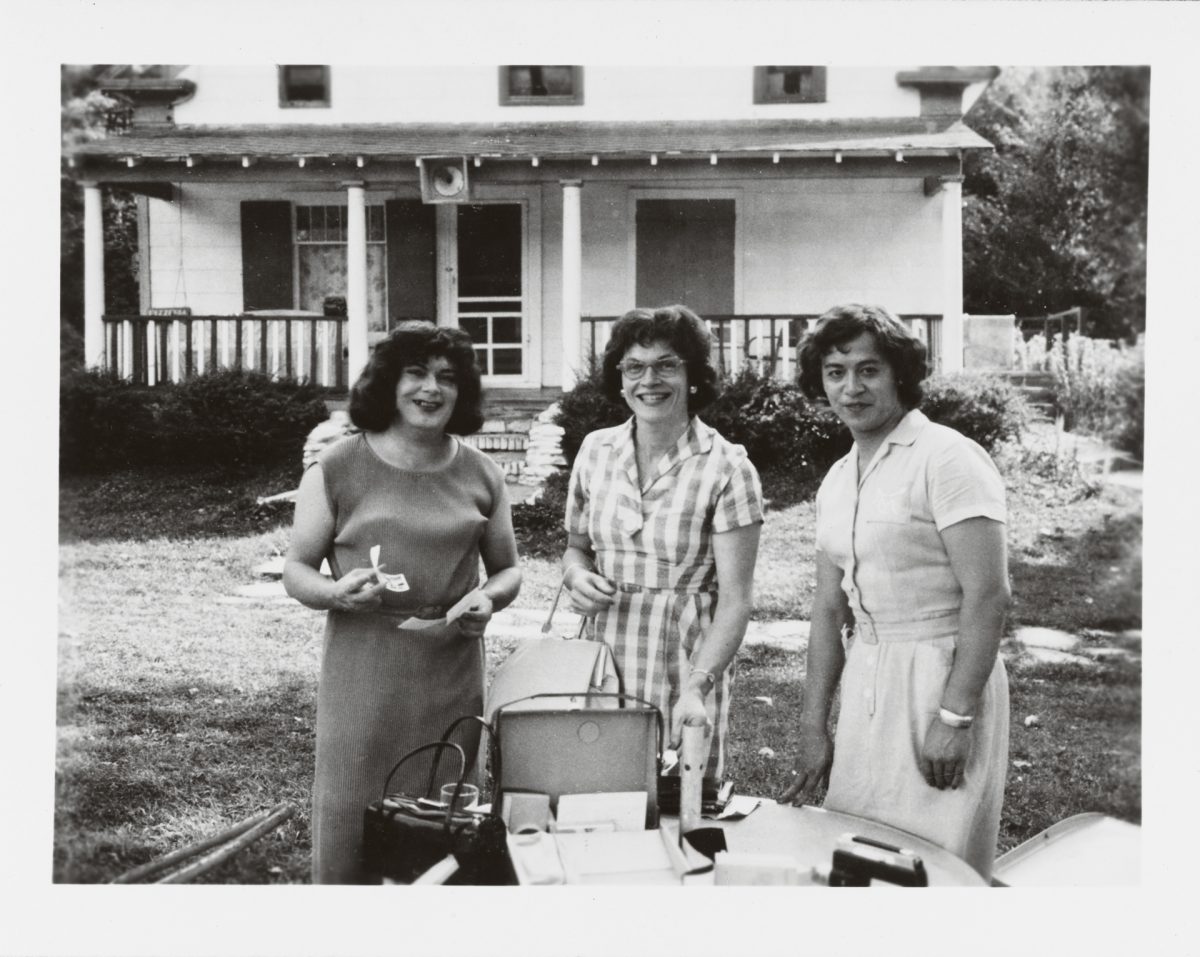
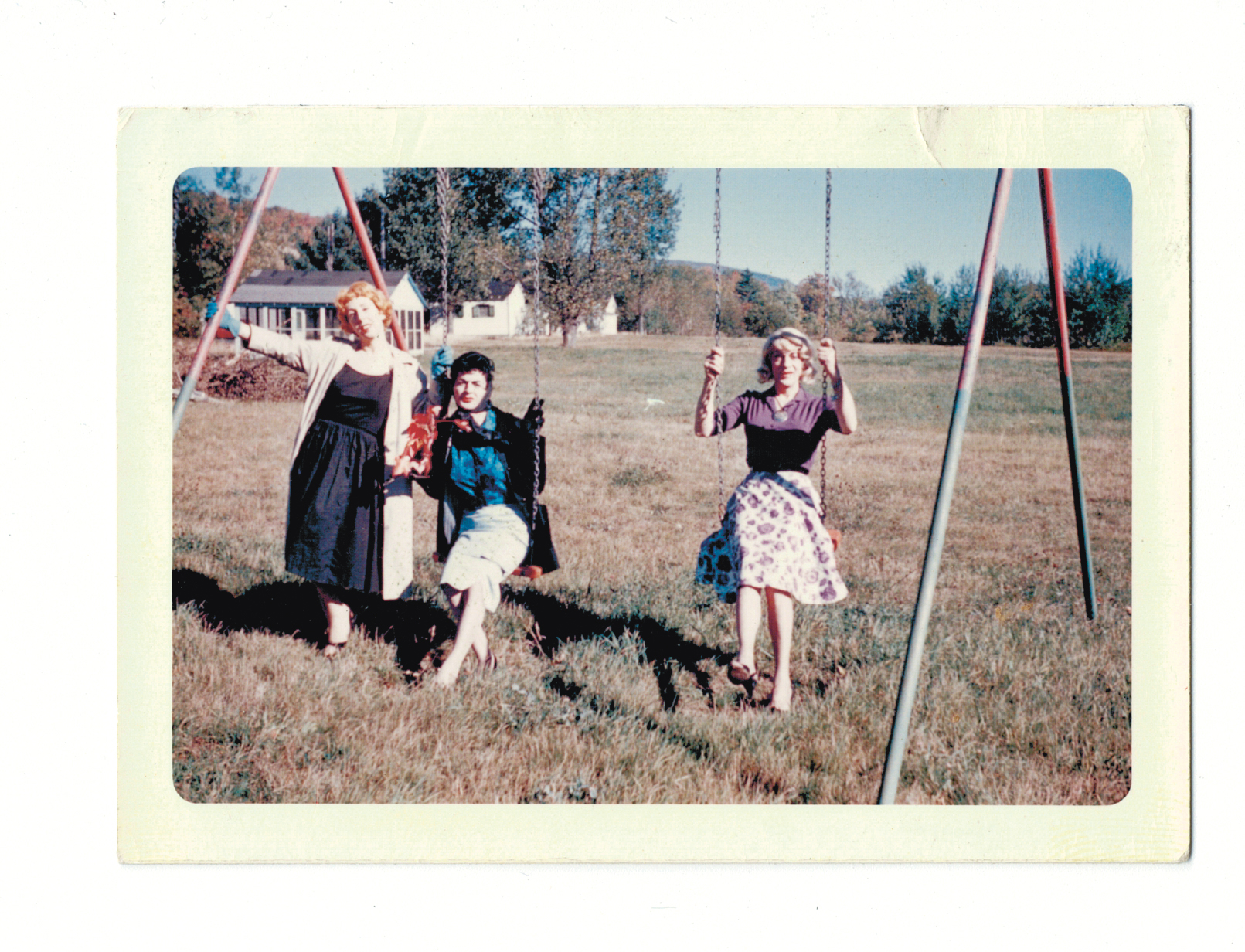
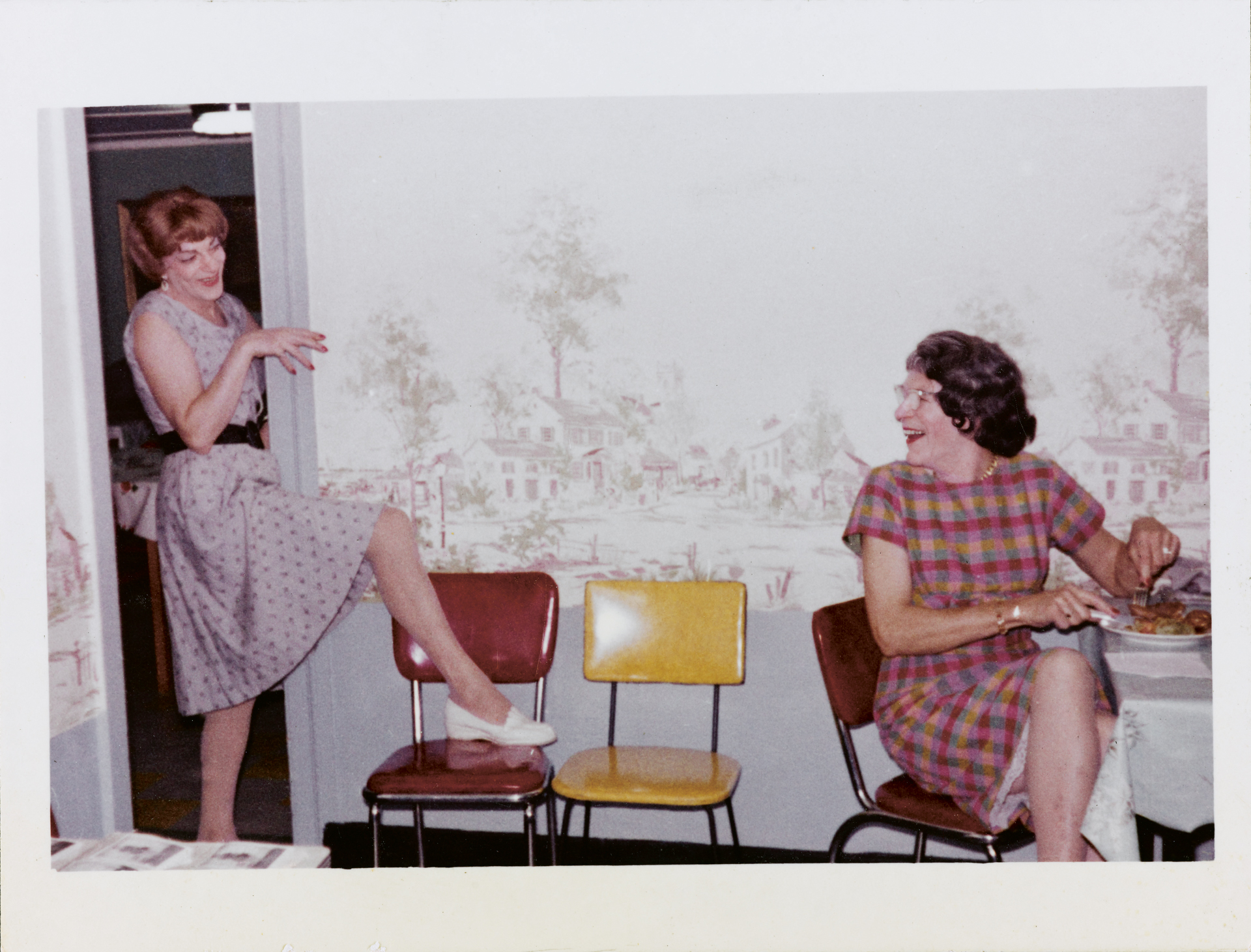
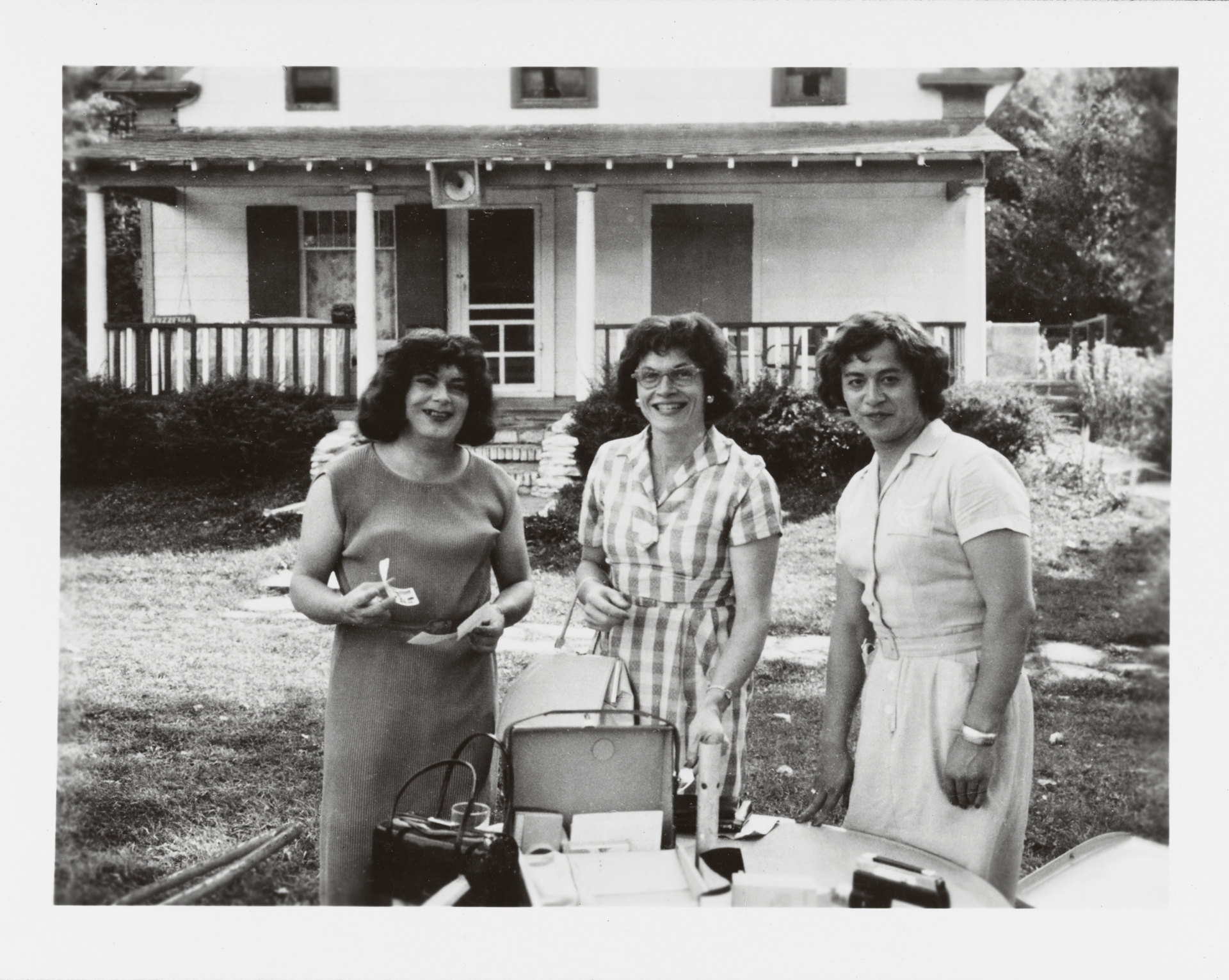
The story of the Casa Susanna collection reveals another reason work may not make it to the public record. It represents a parallel archive that existed deliberately outside institutional view for safety reasons. In the mid-1950s, Tito Valenti and his wife, Marie, transformed their property in the Catskills into a weekend retreat for individuals who identified as gender non-conforming. At a time when cross-dressing could result in arrest and homosexuality remained illegal, Casa Susanna operated as a hidden refuge. Guests documented their experiences with remarkable candour, creating hundreds of photographs that captured their exploration of gender expression away from a hostile outside world.
These images remained unknown until 2004, when collector Robert Swope discovered the original photo albums at a New York flea market. The 340 photographs, published the following year, provided unprecedented insight into the lives of transgender individuals in mid-20th-century America. The publication sparked debate about the ethics of displaying images taken in what was essentially a private, safe space, raising questions about consent and whether making these hidden archives public serves or harms the communities they document.
As then Barbican curator Alona Pardo noted when the work was exhibited in 2018, “This is the time where portable cameras are becoming more commonplace and a lot more people can begin to record these private moments. [At Casa Susanna] they’re obviously playing with that and performing to the camera, it was about solidifying their existence as women and presenting themselves to the world.” But, she notes these photos were taken indoors, curtains closed: “This sense of privacy was absolutely critical.”
The Casa Susanna work did not supplement mainstream photography; it existed in necessary parallel to it, documenting experiences that the official record couldn’t safely capture. The photographs circulated within the community, were sent to publications like Transvestia magazine, and were used as Christmas cards, creating networks separate from institutional photography and mainstream media as a whole. Under strategic invisibility, a community created its own visual history outside the gaze of a world that criminalised its existence.

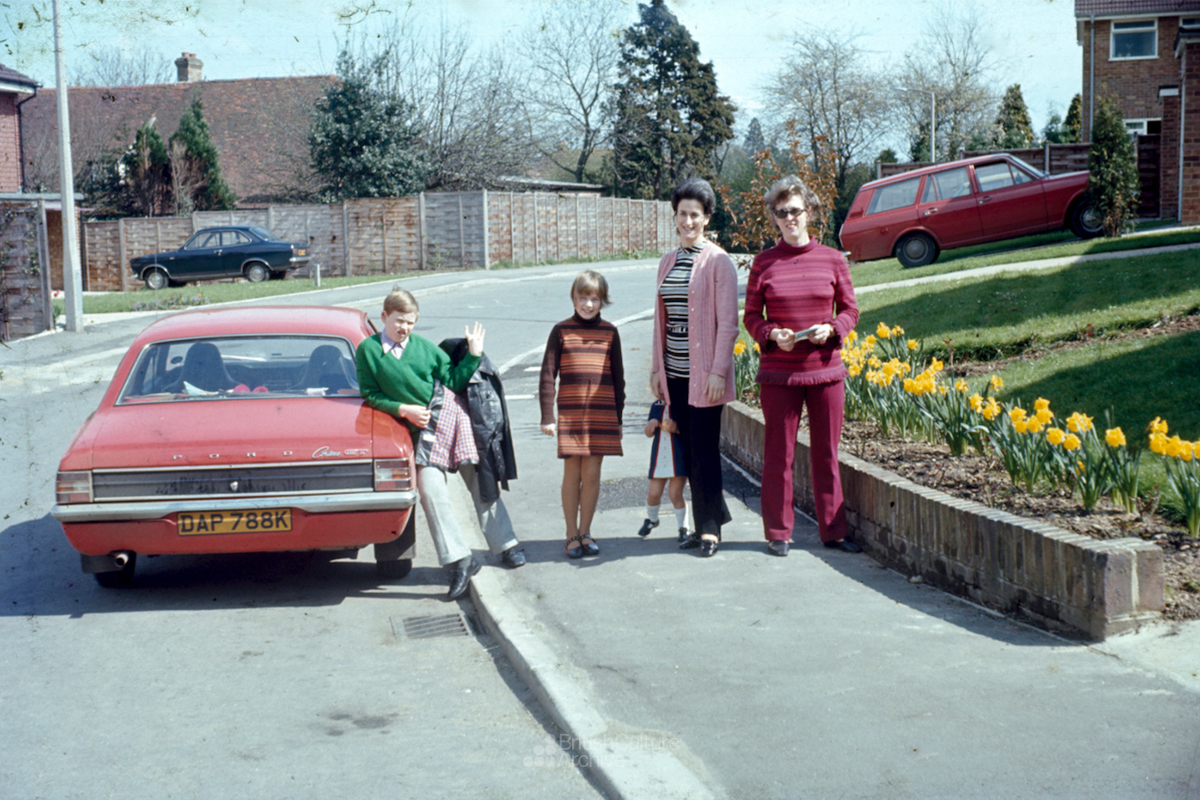
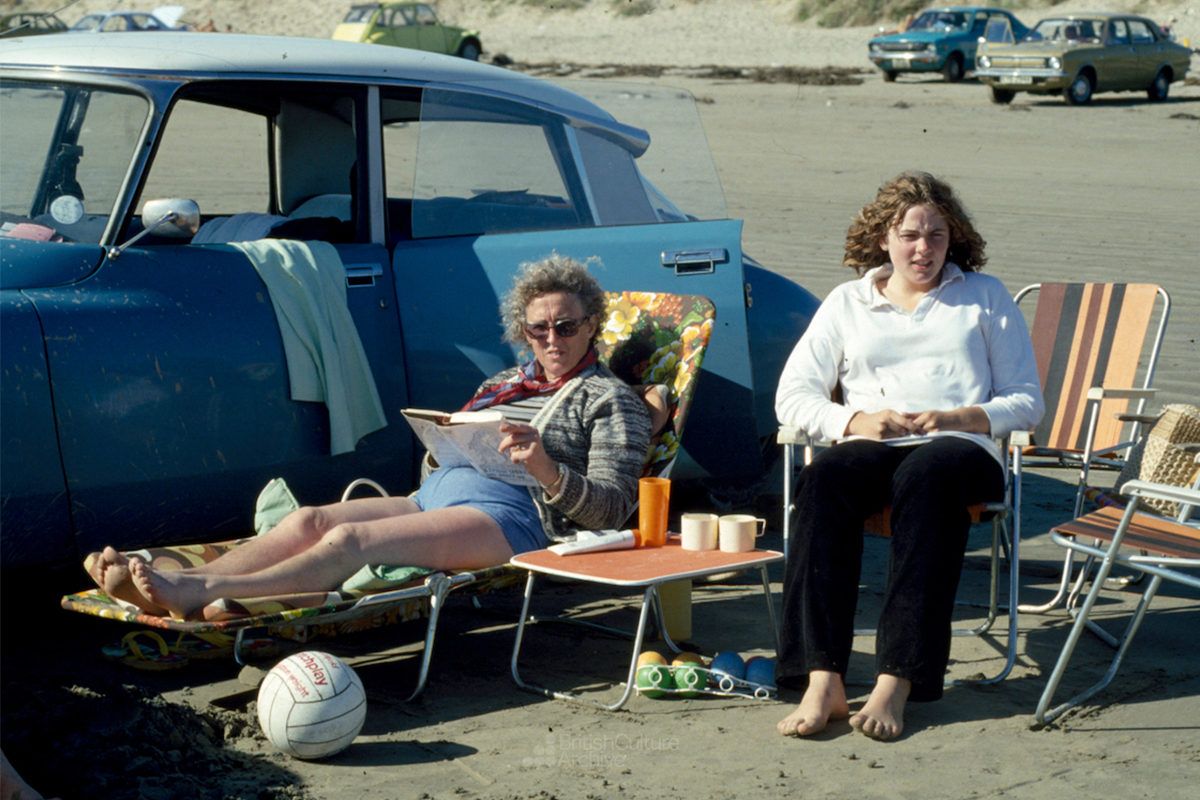
Contemporary projects extend this reconsideration of whose images matter into the digital age. The British Culture Archive, founded without primary institutional backing or funding, champions photography as a universal language that transcends class, culture, and circumstance. Their mission explicitly challenges the notion that significant photography requires expensive equipment or professional credentials, advocating instead for “curiosity, understanding and empathy.” Through exhibitions, online galleries, and primarily reaching audiences through Instagram, BCA welcomes submissions from everyone, building a picture of British life that combines work from established documentary photographers with contributions from those simply documenting their everyday existence.
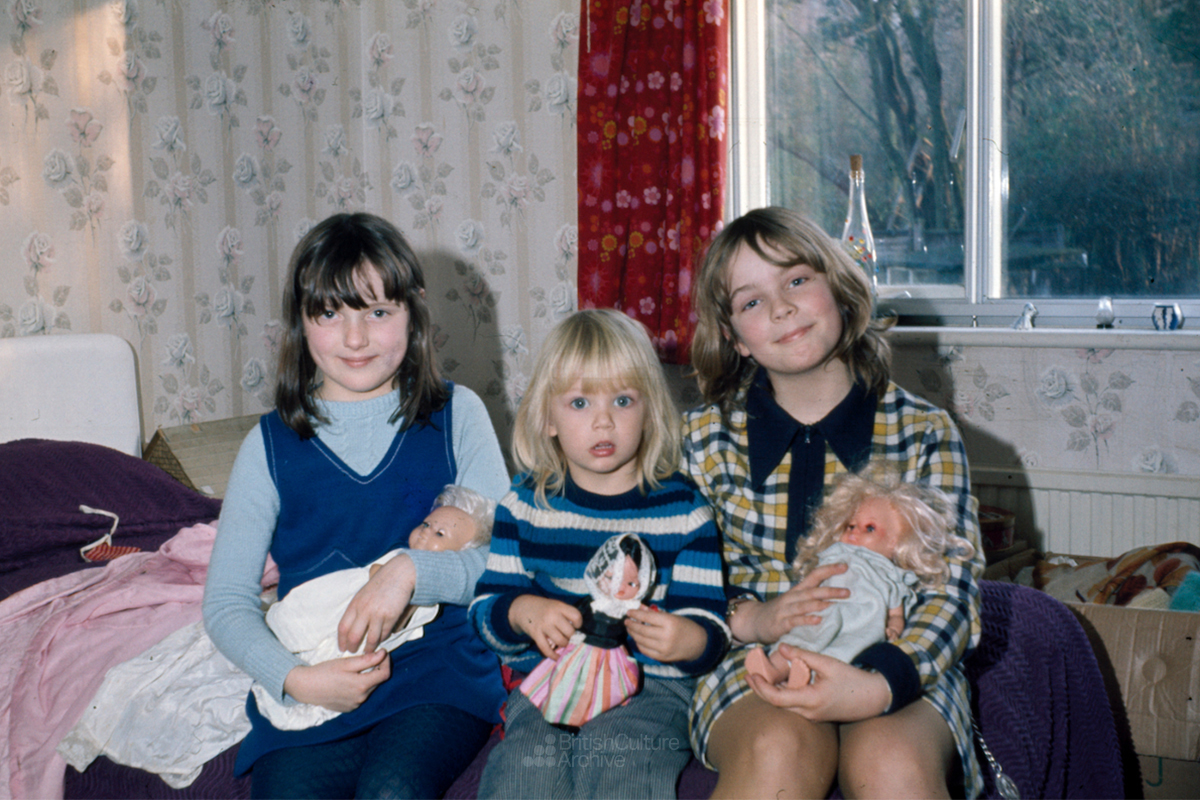
Their People’s Archive includes submissions like those from Vicki Couchman, who discovered photographs her late father took between 1960 and 1980 only after his death. Never knowing he shared her passion for photography, she found medium format negatives that introduced her to his visual story. “The most wonderful finds for me were pictures that might seem meaningless to some,” Couchman said, “but for me, a tiny detail like the carpet, wallpaper, or a toy in the background brought back so many memories.” The collection underscores how fragile personal archives can be, how close they come to disappearing without someone to recognise their value.
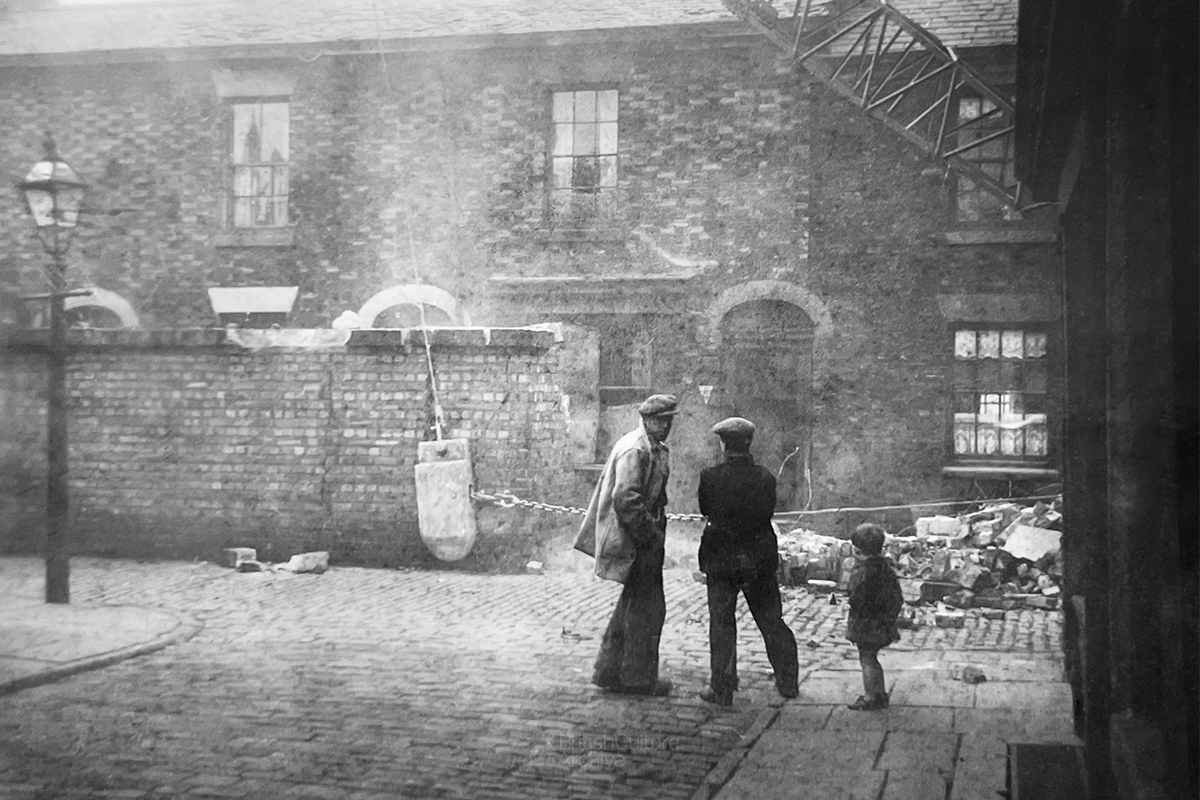
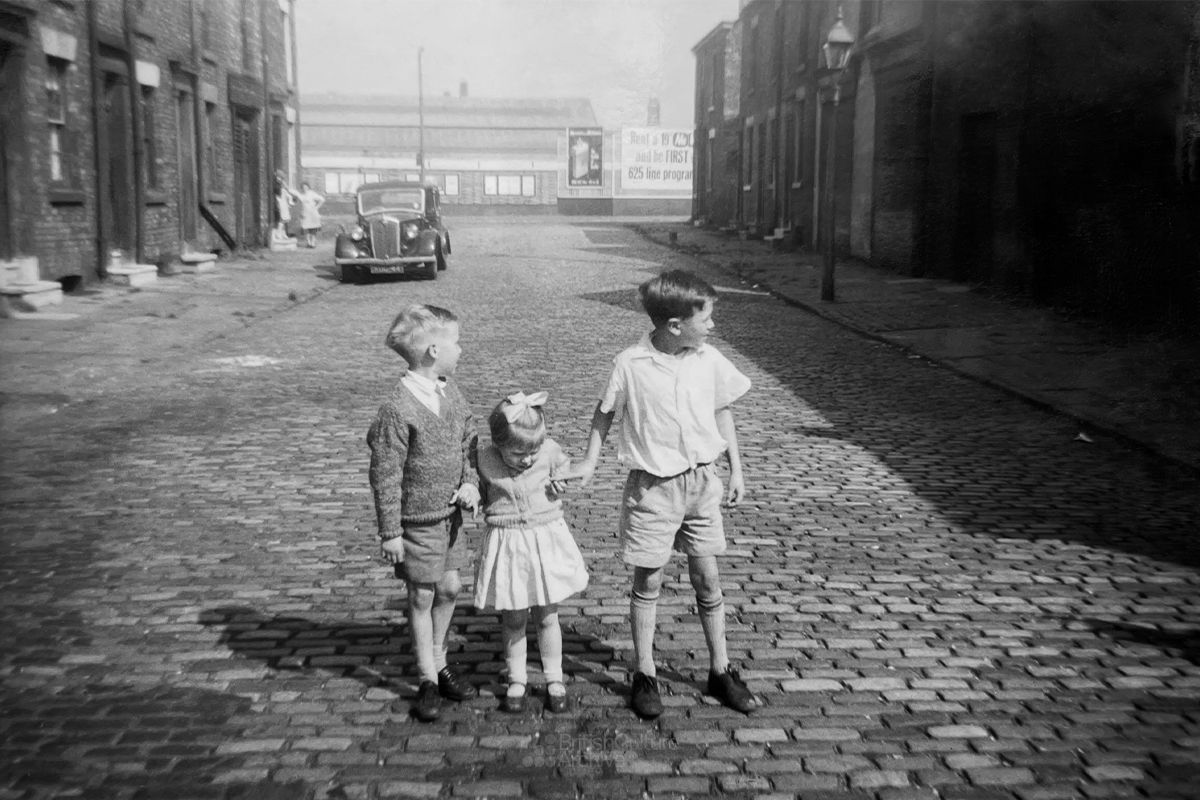
Similarly, Shirley Ann Fyfe submitted family photographs focusing on life around Clopton Street in Hulme, Manchester. These images from the 1940s and 1950s offer vivid portraits of the working-class community emerging from the shadow of World War II, including coronation celebrations, annual Whit Walks, and everyday street scenes. Working with photographer Andrew Brooks to restore the small, beautiful prints, Fyfe documented her relatives’ memories of the period. These photographs preserve perspectives unlikely to appear in commissioned media coverage of post-war Manchester, capturing the texture of ordinary life with warmth and authenticity. They show community from the inside, documenting what mattered to people living through that moment rather than what editors deemed newsworthy.
Smaller-scale initiatives on Instagram, such as the Salford Archives Project, demonstrate how digital platforms enable niche, hyperlocal documentation. The account gathers images of Salford in Greater Manchester spanning decades, from its busy docks through post-industrial decline to recent rapid development. Pub fundraisers, walking days, and the architecture of an area now unrecognisable: these crowdsourced submissions document working-class life and urban transformation through residents’ own lenses, telling the story of a city in flux from perspectives that fall outside official architectural or urban planning records, as well as a commissioning photo editor’s area of interest.
What connects these examples, from Tex’s East End to Casa Susanna’s Catskills retreat to contemporary user-generated submissions into archives, is the way the structures of the photographic world itself led to their exclusion or concealment. Professional photography required resources most people lacked; editorial commissioning followed specific narratives and priorities; some communities needed to remain invisible for their own protection. The result was an official record shaped not by what actually took place but by who had access to document it and whose stories were deemed worth preserving.
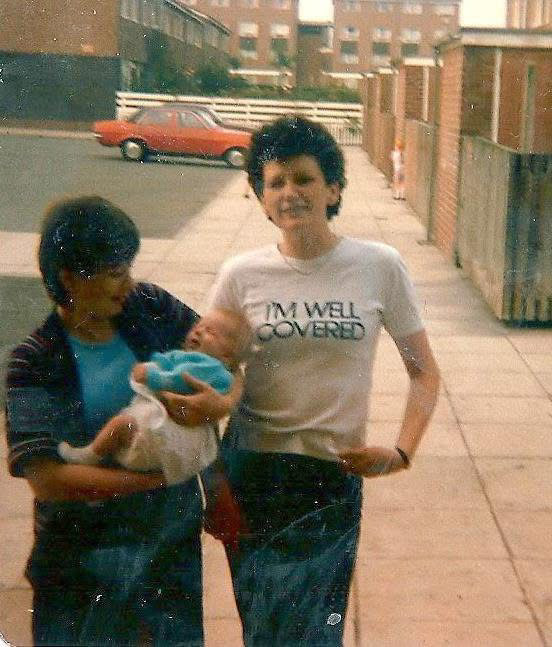
In her essay contribution to the book Imagining Everyday Life: Engagements with Vernacular Photography, Patricia Hayes questions the term ‘vernacular’ and asks whether such photography can escape the hierarchical frameworks that define it. “Cannot photographs just be photographs?” she asks. “Can ‘vernacular’ escape hierarchical judgment, or is it trapped like other terms such as ‘domestic,’ ‘provincial,’ or ‘local,’ and locked down in a relationship with something bigger than itself?” The question highlights how even well-intentioned recovery of marginalised images risks reinforcing the very hierarchies it seeks to challenge, positioning vernacular work as a supplement rather than an equal to the canonical.
Yet the accumulation of these archives, rescued, discovered, and crowdsourced, suggests something more fundamental than supplementation. When family portraits sit alongside official documentation at Autograph, when Casa Susanna’s hidden photographs enter museum shows, and when BCA platforms amateur documentation alongside ‘professional’ work, they not only provide a more rounded view but also challenge the assumptions and exclusions that shaped photography’s canon in the first place.
However, filling these gaps is not straightforward. As the editors of Imagining Everyday Life note, when vernacular photographs are decontextualised from their original communities, questions arise about whether museums and collectors “perpetuate and reproduce the patterns of past cultural pillaging”, raising unresolved questions of consent, context, and who benefits from making private images public. The official record was never as complete or objective as its institutional weight suggested. Vernacular photography doesn’t just supplement that record but also exposes the hierarchies that created it, suggesting new ways of thinking about whose images matter and why.
Laura Havlin writes about photography, visual culture and how images shape cultural narratives. Formerly Senior Editor at Magnum Photos and Head of Content at D&AD, her work has been published by AnOther, The British Journal of Photography, Creative Review, Wallpaper* and the Financial Times.
British Culture Archive is a platform, collective and photographic agency founded by Paul Wright, dedicated to preserving the social and cultural history of everyday Britain through documentary photography. BCA brings together the work of established, emerging, and underrepresented photographers whose images reveal how people live, gather, and create across generations. Over time, BCA has grown into a recognised home for British documentary photography, working with artists, estates and communities to share stories that might otherwise fade; from post-war Britain and working-class life to youth movements, music, and subcultures that continue to shape our national identity. Through exhibitions, publications, licensing projects and public programmes, BCA highlights documentary photography as a vital record of community, identity and change.
Casa Susanna, authored by curators Isabelle Bonnet and Sophie Hackett and published by Thames & Hudson, brings together a wealth of research and an expansive selection of photographs to create an enduring account of America’s first known trans network.