

From issue: #32 Un/Stable
Amin Yousefi, 2 October 2026
A photograph and a photobook are very different things. This sounds obvious, but the distinction is often treated as secondary, as though a photobook were simply a convenient container for photographs that already exist. Yet the moment a photograph enters a book, its conditions change. It acquires a position. Something comes before it, and something follows it. Its scale is decided. Its relation to text, paper, blank space and other images becomes part of its meaning. It can be hidden, repeated, interrupted or made to wait. A photograph in a book is no longer encountered entirely on its own terms.
This is the most basic quality of the photobook, and also the reason it remains such an important form for photography. A book gives photographs a temporal life. Photography is a medium concerned with the fraction of a second, but reading a photobook takes place across minutes, hours, and sometimes years. The image stays still while the reader moves. Memory becomes part of the experience. An image seen twenty pages earlier continues to operate on the image in front of us. Meaning is produced through accumulation. The book, therefore, does something strange to photography. It fixes photographs in place while making their interpretation less fixed. An individual photograph may appear decisive. Put it beside another image, and the certainty begins to shift. Add a caption, a document, a family photograph or an empty page, and it shifts again. Sequence produces doubt as easily as it produces explanation.
This tension feels particularly relevant to Un/Stable, the theme of Photoworks Festival 2026. The word unstable immediately suggests political and social conditions, precarious landscapes, fractured histories and uncertain futures. But instability also describes something fundamental about photographs themselves. Their meanings travel. Their contexts change. The same photograph can operate as memory, evidence, propaganda, art, documentation or family possession depending on where and when it appears.
The photobook allows us to see this instability by making context visible. A photograph hanging on a wall can create the impression of autonomy. There is a physical authority to the framed image, particularly at exhibition scale. It occupies its own territory. The book works differently. It constantly reminds us that an image belongs to a larger structure. We cannot see the whole book at once. We encounter it in fragments, and our understanding of those fragments depends on what we remember.
The photobook exists somewhere between an object and an event. Physically, it is extraordinarily stable. Once printed and bound, its sequence cannot easily change. Page thirty remains after page twenty-nine. The cover marks a beginning and an end. The dimensions remain the same each time we return to it. Yet reading is never stable. We notice different things. We make different connections. History moves around the book even when the book itself remains still. This distinction between the stability of form and the instability of meaning sits at the centre of Un/Stable Pages.
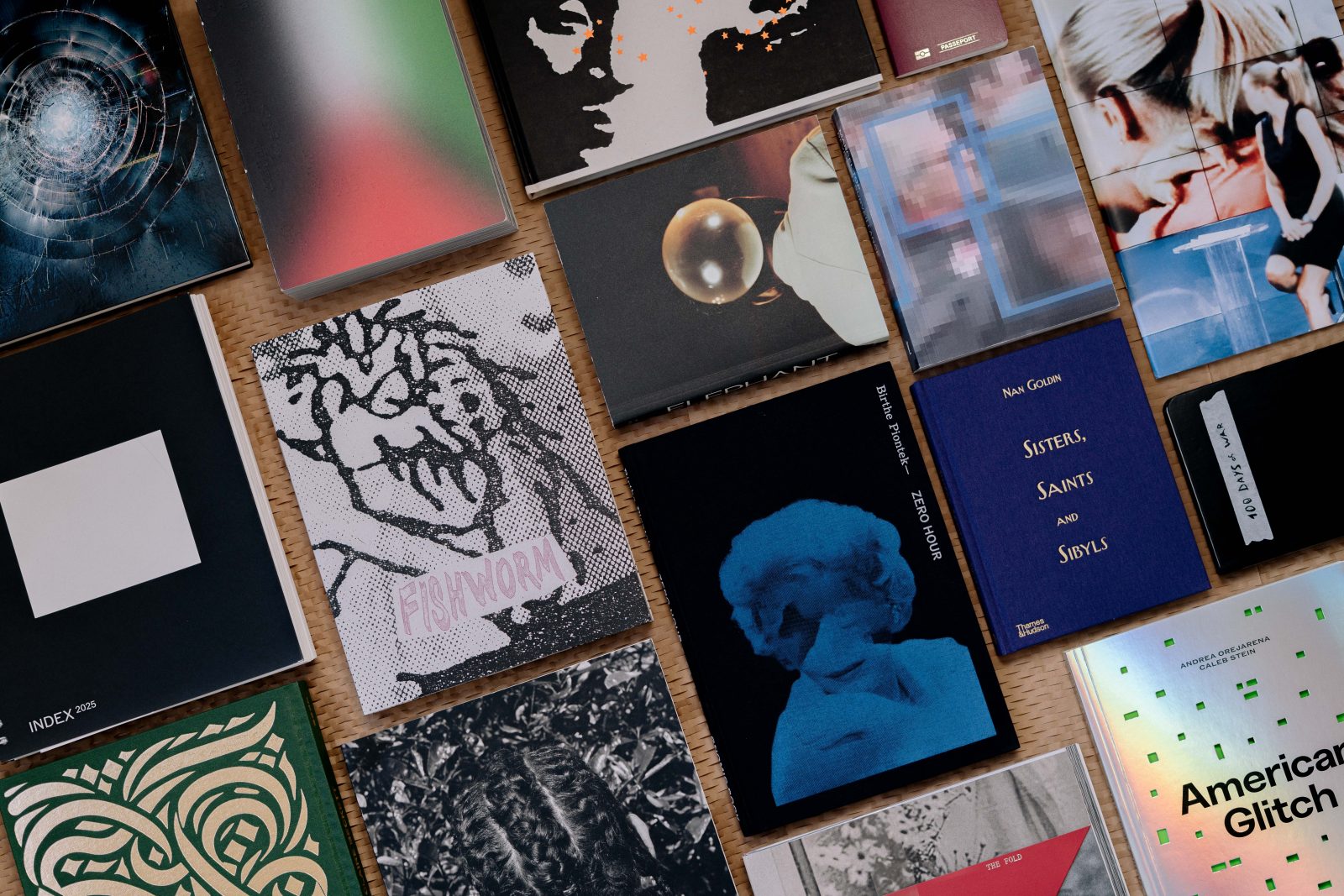
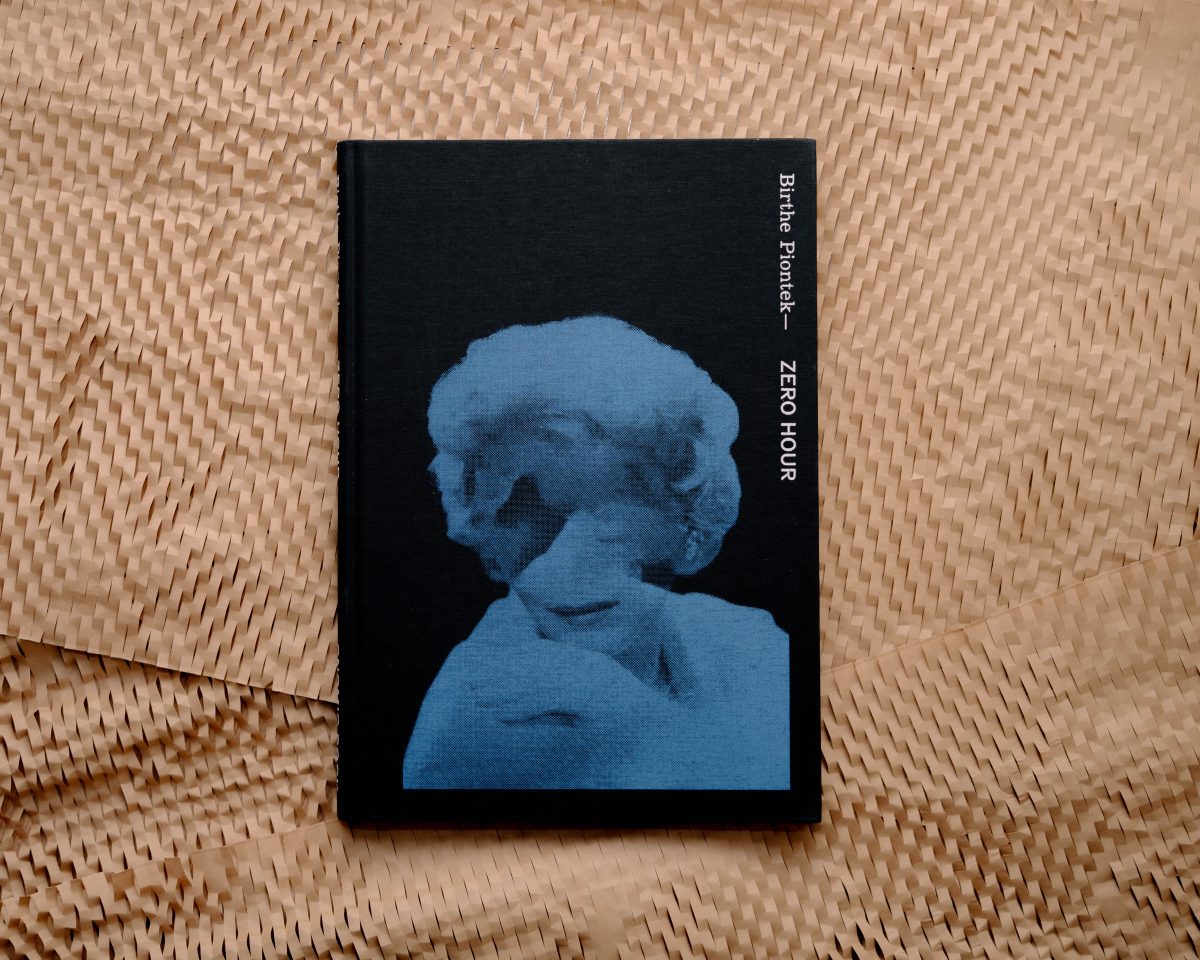
The books gathered on the table deal with war, political resistance, migration, colonial histories, family memory, constructed identities, disappearing communities, artificial intelligence, archives and the politics of representation. There are books by Claudia Andujar, Nan Goldin, Matthew Connors, Prarthna Singh, Farren van Wyk, Claire Beckett, Bharat Sikka, Birthe Piontek, Stanley Wolukau Wanambwa and others. Their subjects differ considerably, and their value does not lie in forcing them into a single political position. What connects them is a concern with the difficulty of making experience stable through image.
When we say that a photograph preserves something, we are already making a claim about what has been retained and what has been lost. The image may tell us that a person occupied a room, that a building once stood on a street, or that an event happened in front of a camera. But the frame also records a decision. Someone stood in one place, pointed the camera in one direction and left the rest outside. Archives extend this process over time. Some photographs are kept, catalogued and made available. Others disappear, remain unnamed or are never considered worth preserving in the first place. What survives as evidence therefore depends as much on these choices as on what the photograph itself shows.
The photobook can make these absences more visible because it has room for contradiction. It can contain photographs alongside documents, found material, writing, reproductions and gaps. It can place official history beside personal memory. It can let one form of evidence undermine another. A book does not have to behave like a linear argument. It can circle a subject, repeat it, leave it and return later. This becomes especially important when dealing with history. History often reaches us as a clean sequence. One event leads to another. Dates establish order. Institutions give names to periods and movements. Photography complicates this because photographs survive according to different rules. A family snapshot may outlive a government. A newspaper image may become detached from the event it originally described. An anonymous photograph may survive after every fact surrounding it has disappeared. The photobook can gather these uneven forms of time in one place. This is visible throughout the selection. In Har Shaam Shaheen Bagh, political resistance becomes inseparable from the traces it leaves behind. In Yesterday, Come Closer, personal and collective memory refuse to be cleanly separated. In Zero Hour, the past enters the present through images and inherited political structures. In Fishworm, discarded photographs raise the uncomfortable question of when a life becomes an archive and when it becomes rubbish.
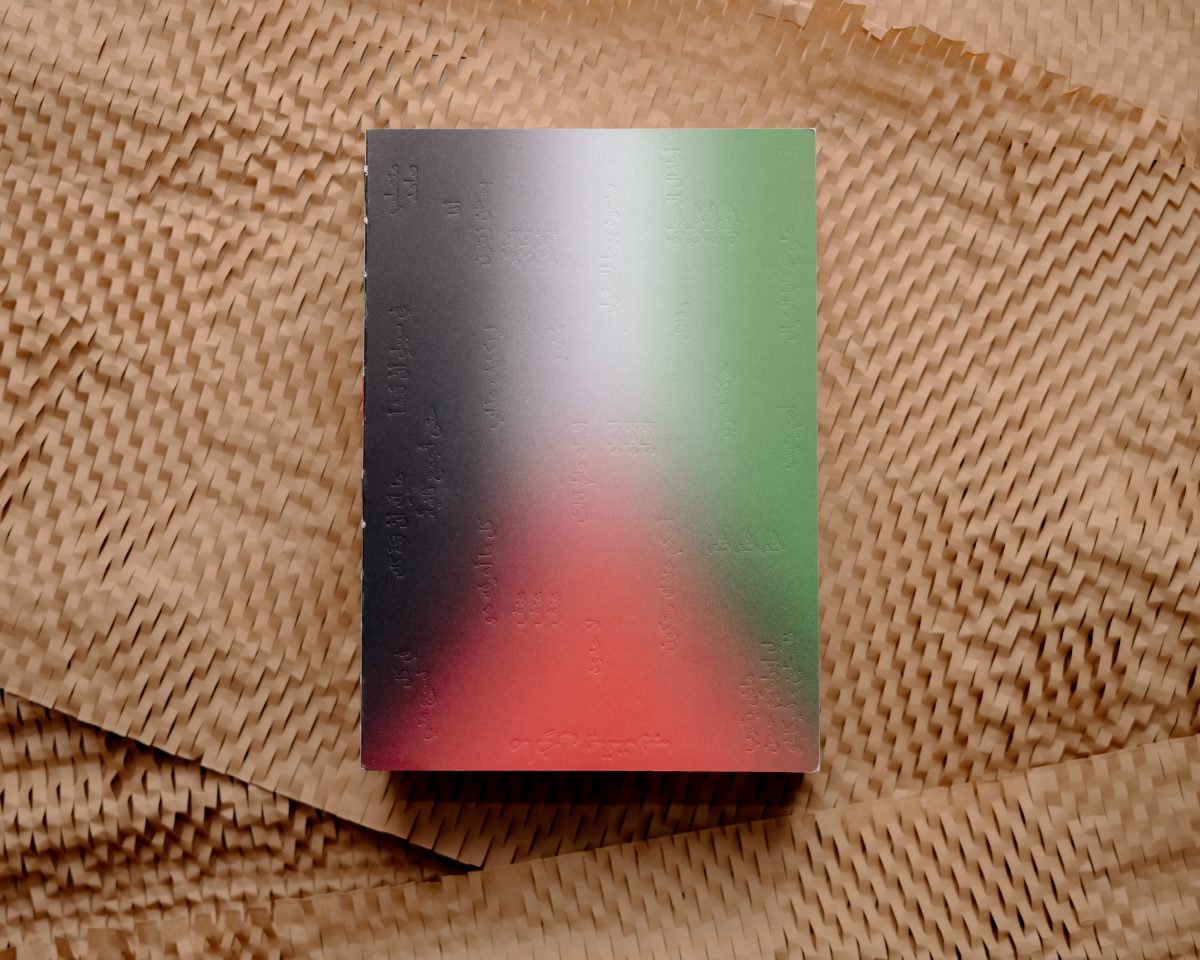
What interests me here is less the subject of each book than the form that allows these different kinds of material to coexist. The photobook can hold things that do not agree with one another, which may be one of its most important qualities. We often expect political images to clarify. We ask them to show what happened, reveal injustice or make an argument visible. Sometimes they do. But many political realities cannot be contained in a single explanatory image. War, displacement, race, colonialism, gender, national identity and family history are lived through contradictions. The same place can produce belonging and fear. The same archive can preserve a life and misrepresent it. The same photograph can become evidence for opposing narratives. The photobook is long enough to keep these contradictions present. This is different from ambiguity for its own sake. A refusal to simplify does not mean refusing to take a position. It means recognising that clarity and simplification are different things. Some subjects become more intelligible when their contradictions are allowed to remain visible.
A photobook gives the reader a different kind of control. In an exhibition, the space already shapes how works are encountered. Several images may be visible at the same time, and their relationship is partly produced by the room itself. A book is more private and more dependent on what the reader does with it. You can stay on one page, move ahead, go back, or place two moments from the sequence together in your memory. Reading becomes part of the structure of the work. The sequence is fixed, but the experience of it is not. Each reader builds connections at a different pace, and the meaning of the book develops through that process.
This experience feels increasingly unusual in contemporary visual culture. Most images now reach us within systems designed around speed. We scroll through photographs before we have fully looked at them. Images of war, advertisements, family photographs, political speeches and jokes can appear within seconds of one another. Their contexts collapse into the same surface.
Speed affects more than how long we look at an image. It also changes what we are able to understand from it. A photograph seen briefly while scrolling does not have the same chance to stay with us as one we can return to later in a book. In a photobook, an image can sit in the mind while other pages gradually alter how we read it. That possibility matters more to me than the simple pleasure of paper as a material. I like physical books, but their value is not guaranteed by being physical. A badly constructed book can flatten images just as easily as a screen can. What matters is the way the book controls pace, sequence and return.
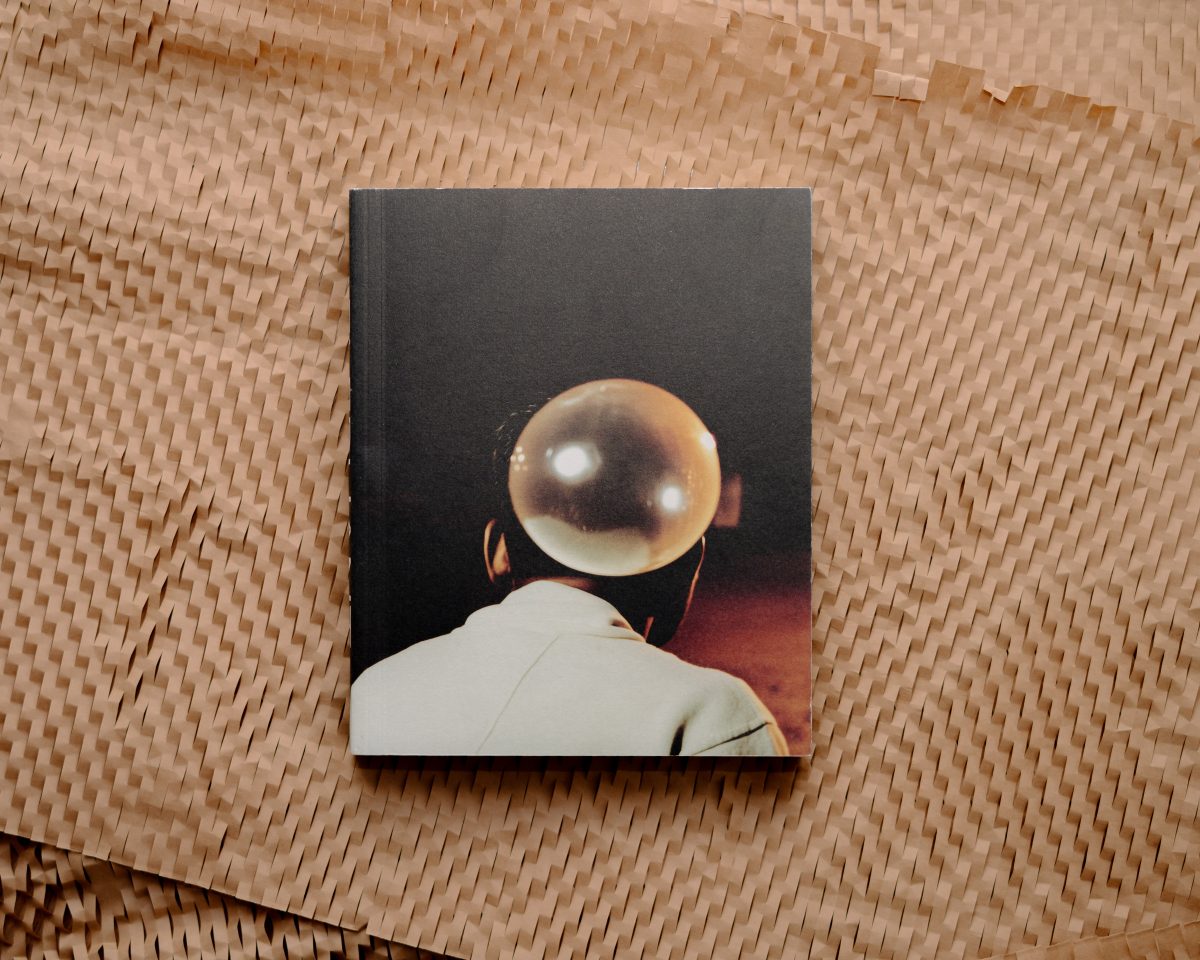
A book has a pace. It has an inside and an outside. It can conceal. It can reveal. It has memory built into its form. Every page carries the knowledge that other pages exist outside our immediate view. That is also why the photobook has an unusual relationship with exhibition making. A book is already a small exhibition, but one that disappears as we move through it. We cannot stand back and see the whole sequence. The previous spread vanishes when the page turns. What remains is our memory of it.
Within the Photoworks Festival, this creates a useful change in scale. The festival unfolds across Brighton and Hove, through buildings, streets, and various forms of photographic display. The photobook table asks for another kind of encounter. The visitor sits. The visual field becomes smaller. Instead of moving their body through an exhibition, they move an exhibition through their hands. This contraction of scale can produce a different kind of attention. Sometimes, intimacy makes political structures more visible. A history of migration can be passed down through a family. A history of state violence can enter through a single body. A political movement can survive through a collection of drawings, photographs and notes. An abandoned snapshot can reveal how fragile the boundary between cultural memory and disappearance is.
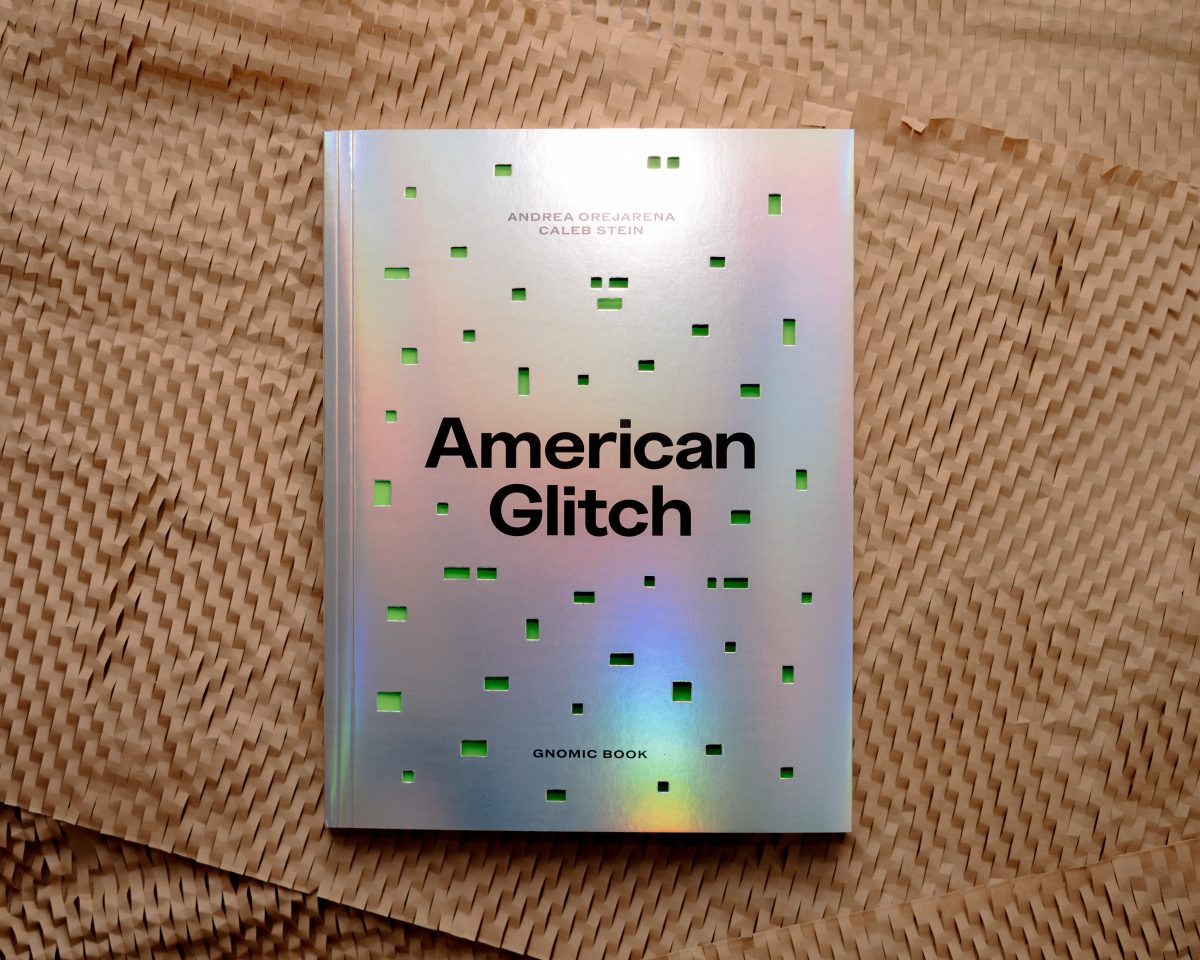
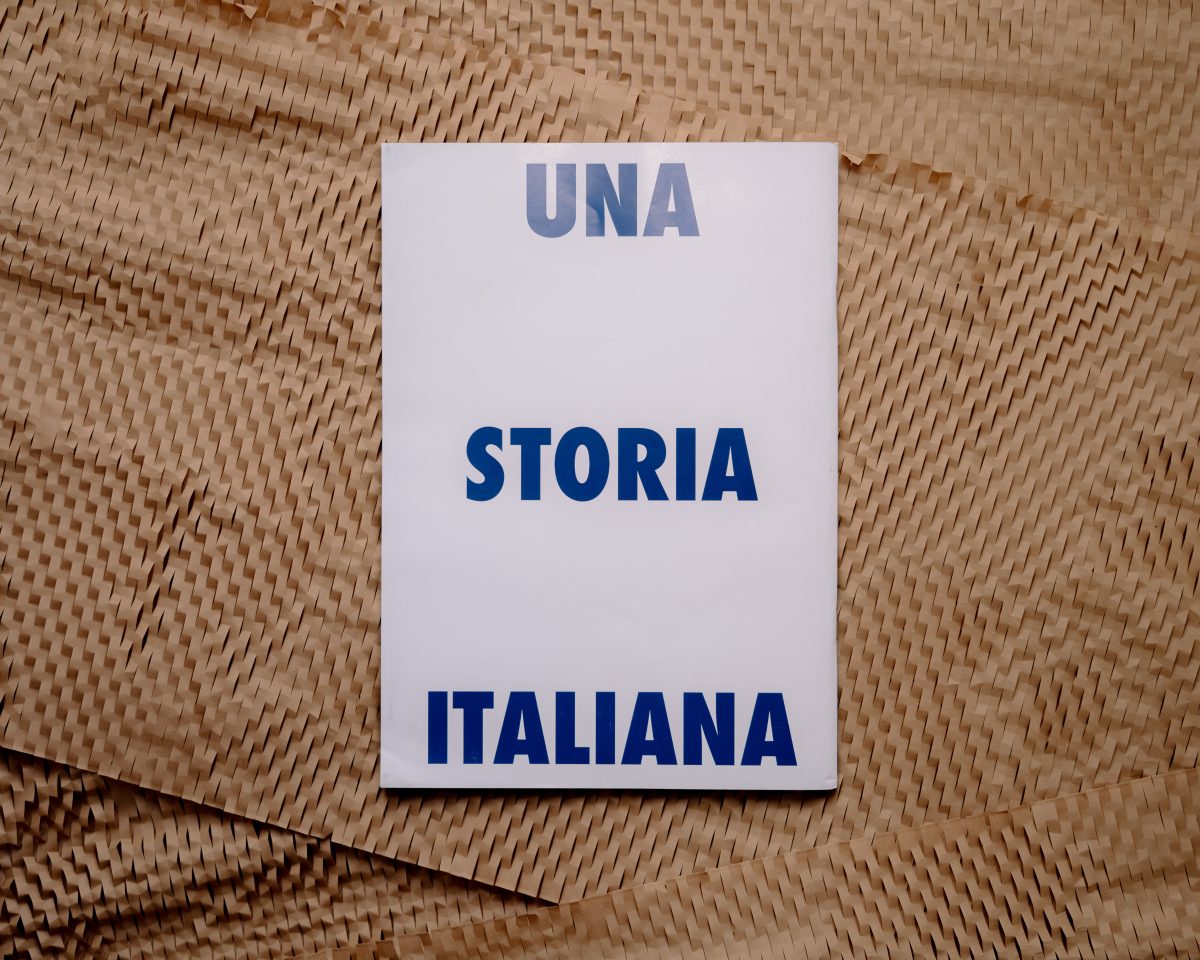
The books in Un/Stable Pages move continually between these scales. They also challenge the idea that photography provides stable access to truth. Works such as Defence Language, American Glitch, Elephant in the Room, and Una Storia Italiana address constructed environments, technological mediation, and generated imagery. Their presence on the table feels essential because the crisis surrounding images today concerns more than whether photographs are true or false. It concerns the structures through which images become credible.
As we move through a photobook, questions begin to accumulate around the images. Who made them, who chose them, what information has been added, and what has been left out? Even the order of the pages changes what we take from a photograph. The photobook does not answer all of this, and I do not think it needs to. What it can do is give us enough time to notice how much of an image depends on the choices around it. By the time we reach the end, the object itself is complete, but our reading of it may still be shifting.
Amin Yousefi is an Iranian, image-based artist, writer and Assistant Curator and Editor of Photography+ at Photoworks. His artistic and research practice examines archival processes, the reversal of imperial violence in Southwest Asia, and the ways photography can reflect and reproduce complex structures of power. Through his work at Photoworks, he contributes to curatorial, editorial, and public programmes across contemporary photography.