

From issue: #30 In at least one dream!
Hannah Geddes, 8 May 2026
“I like the friction created by bringing different modes of making sense of the world into contact with one another.” – Siddharth Khajuria
There is a quiet tension that comes from bringing together poetry and photography, as words infiltrate and expand our reading of the fixed image. This friction challenges us to look differently, to move beyond the moment in the frame. To explore this relationship further, I spoke to Andrew Zawacki, Siddharth Khajuria, Charlie Fitz & Oscar Vinter, and Vik Shirley. Having all been selected for the Photoworks Photo Poetry Publication prize, their projects have since been developed into a pamphlet published by Jane and Jeremy.
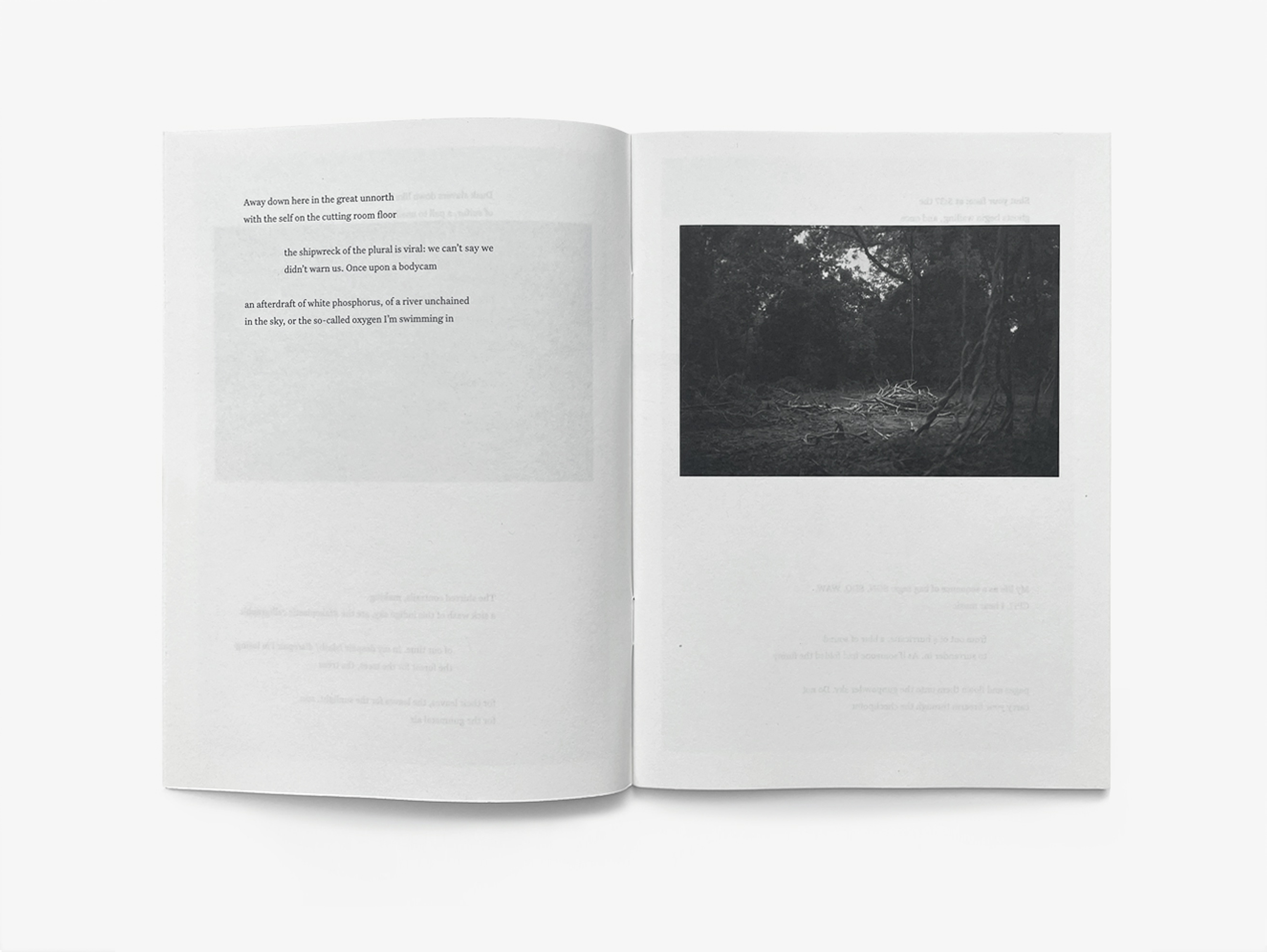
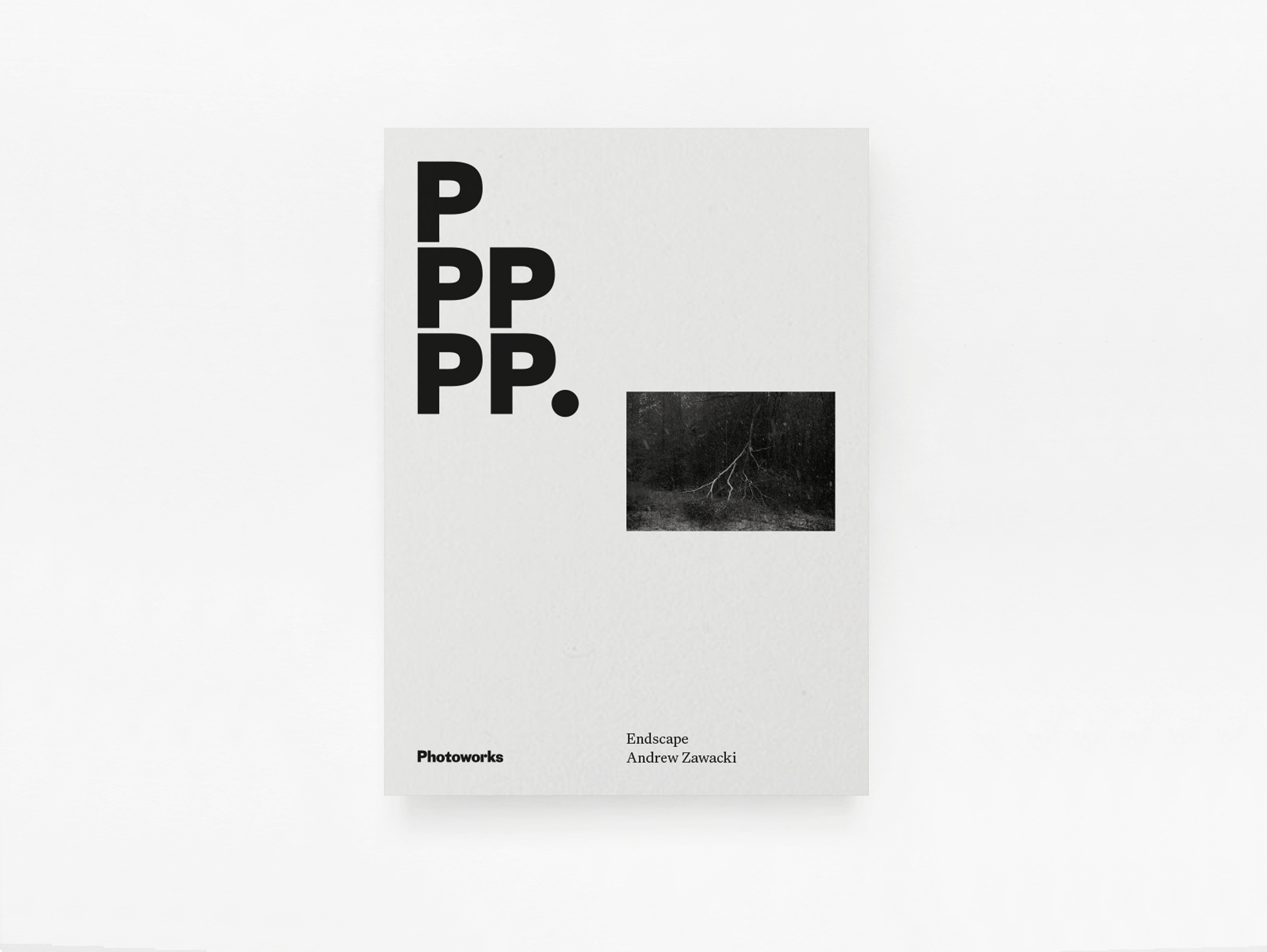
An important shift occurs when images and text move from their fluid space of making into the fixed object of the pamphlet. The pamphlet solidifies the relationship between the two mediums, bringing them into close dialogue. As Andrew Zawacki told me, photography and poetry share little, which is why the two “often get along so well together, without rivalry or redundancy.” The poems and photographs in Andrew Zawacki’s project Endscape, however, were not meant to end up together. Feeling that he had sufficiently explored that mode of practice in previous projects such as Unsun: f/11, it wasn’t until the Photoworks call-out that he decided to address that, to see what happened if he let “these fraternal twins hang out for a bit.” While there was some hesitation in bringing the two back together again, he doesn’t see it as a long-term endeavour, rather he thinks of their rendezvous “as a one-night stand.”
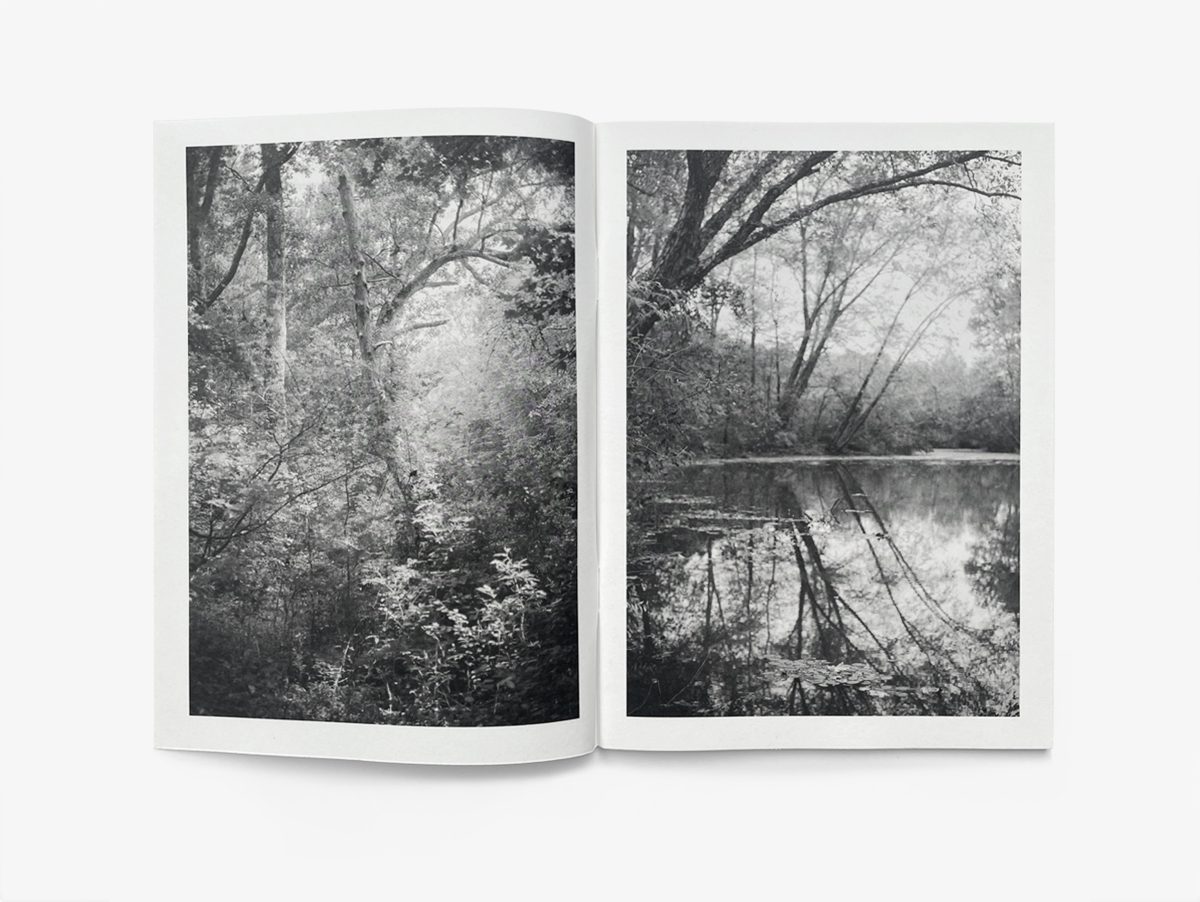
The photographs in Endscape were all made in the Southern U.S. state of Georgia, within a few miles of Athens, where he teaches, and Watkinsville, where he lives. The image of the collapsed bed frame happened to be in eyesight when Zawacki accompanied his friend, the historian Claudio Saunt, as he mapped former Cherokee homestead sites throughout the South. Another image was taken right outside Zawacki’s house: seemingly inconsequential places and objects frozen in time. There is a quietness to the images. There are no human figures, but only small indications of human presence: the tire left amongst the wood; the work bench left unoccupied. For Zawacki, however, being out there by himself isn’t lonely.
“The earth without human presence is such a relief—I’d leave even myself out of it, if I could. Stalking the aftereffects of our passing through is central to my practice.”
While the images are empty of people, the ghost of human presence graces the edges of the images. The words more explicitly focus on Zawacki’s experience as a citizen, charting his daily thoughts at a time of polycrisis. As we accompany Zawacki through the landscape of Athens, Georgia, time passes. Like the viewer, Athens is a place that he still feels somewhat unfamiliar with, having moved there in 2005. For Zawacki, Endscape is not a conclusion. He hopes the “reader will hear not only the ‘end’ but also ‘escape’,” an action that “defers the zeroing out of geography.” Rather than holding a static interpretation of the landscape, Endscape ruptures photography’s tendency to fix something, ensuring it remains open to shifting meanings.
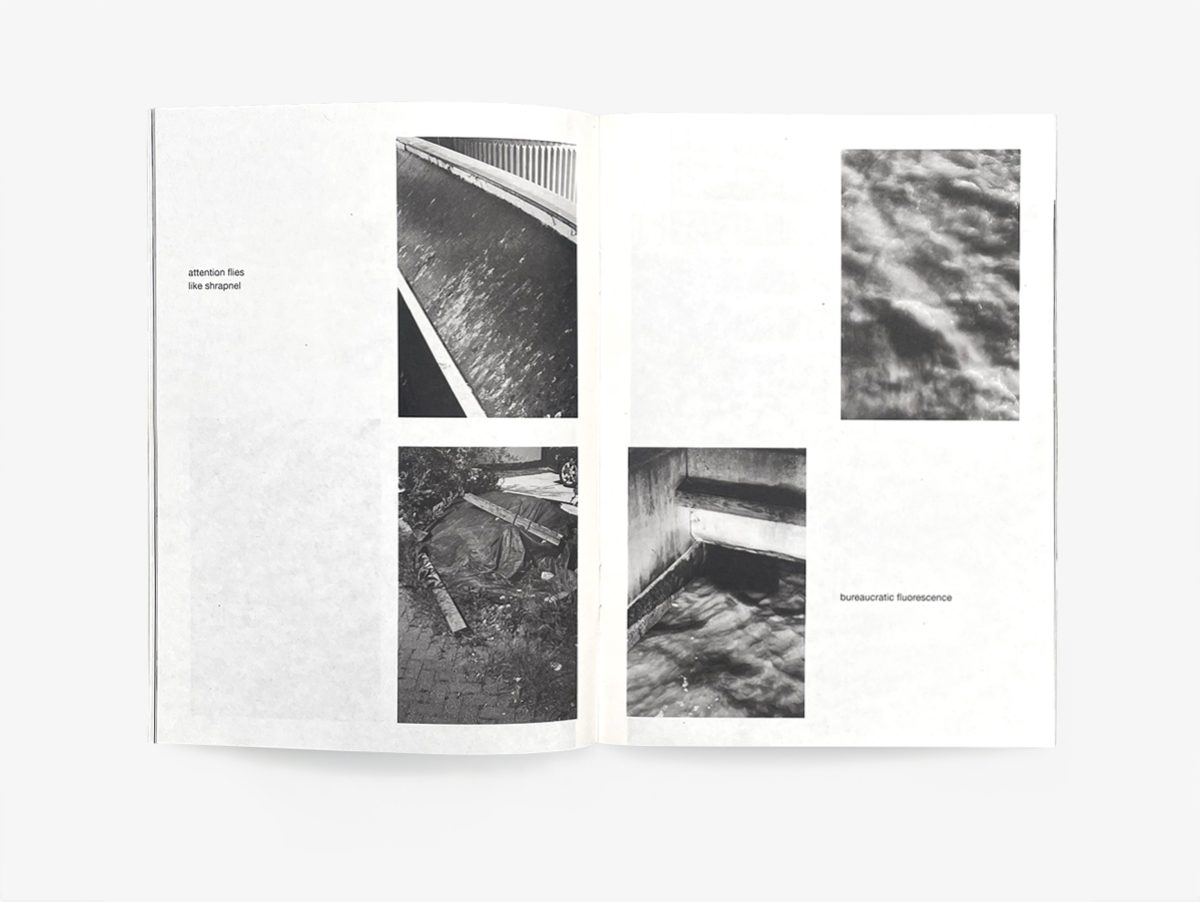
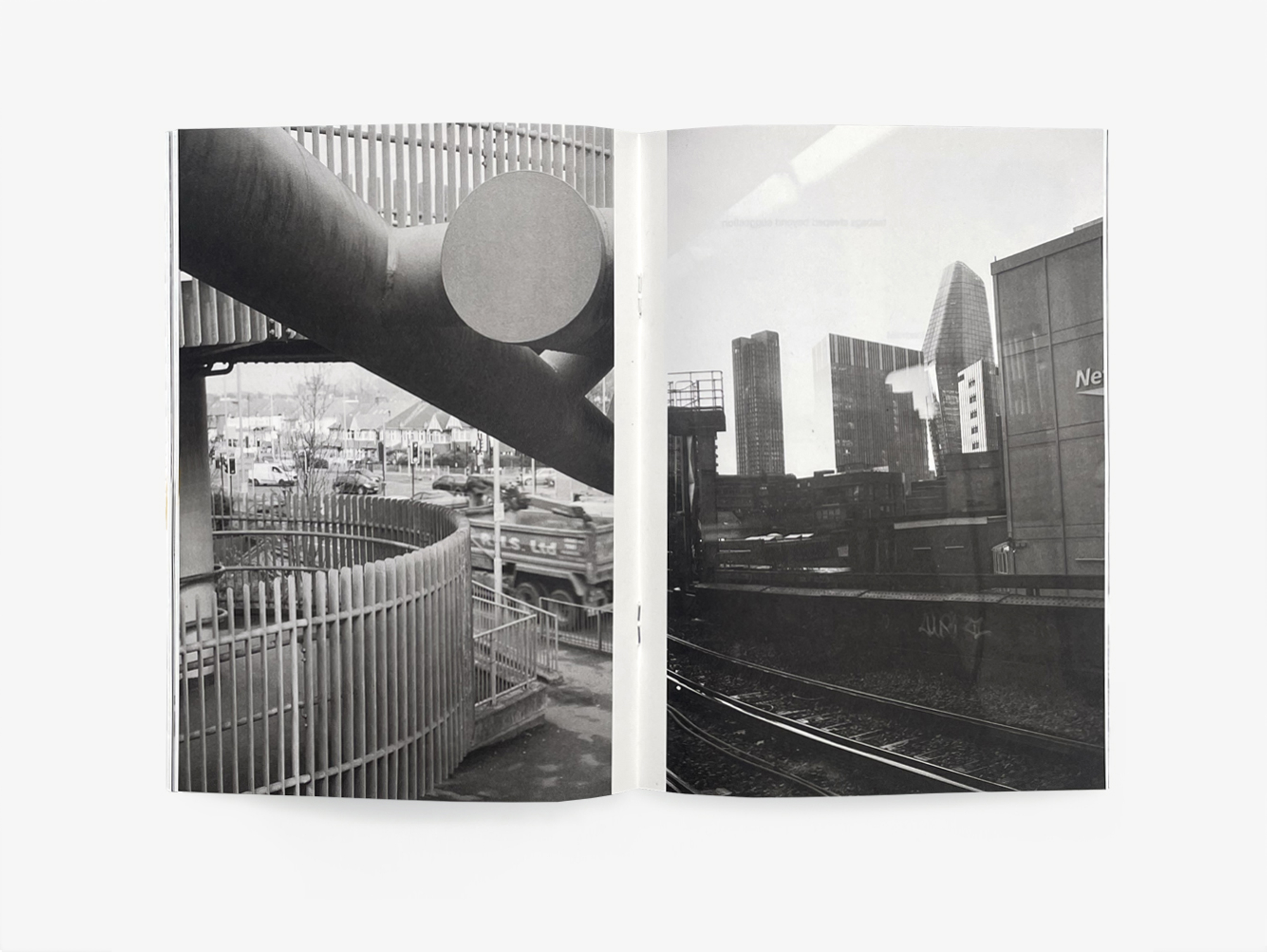
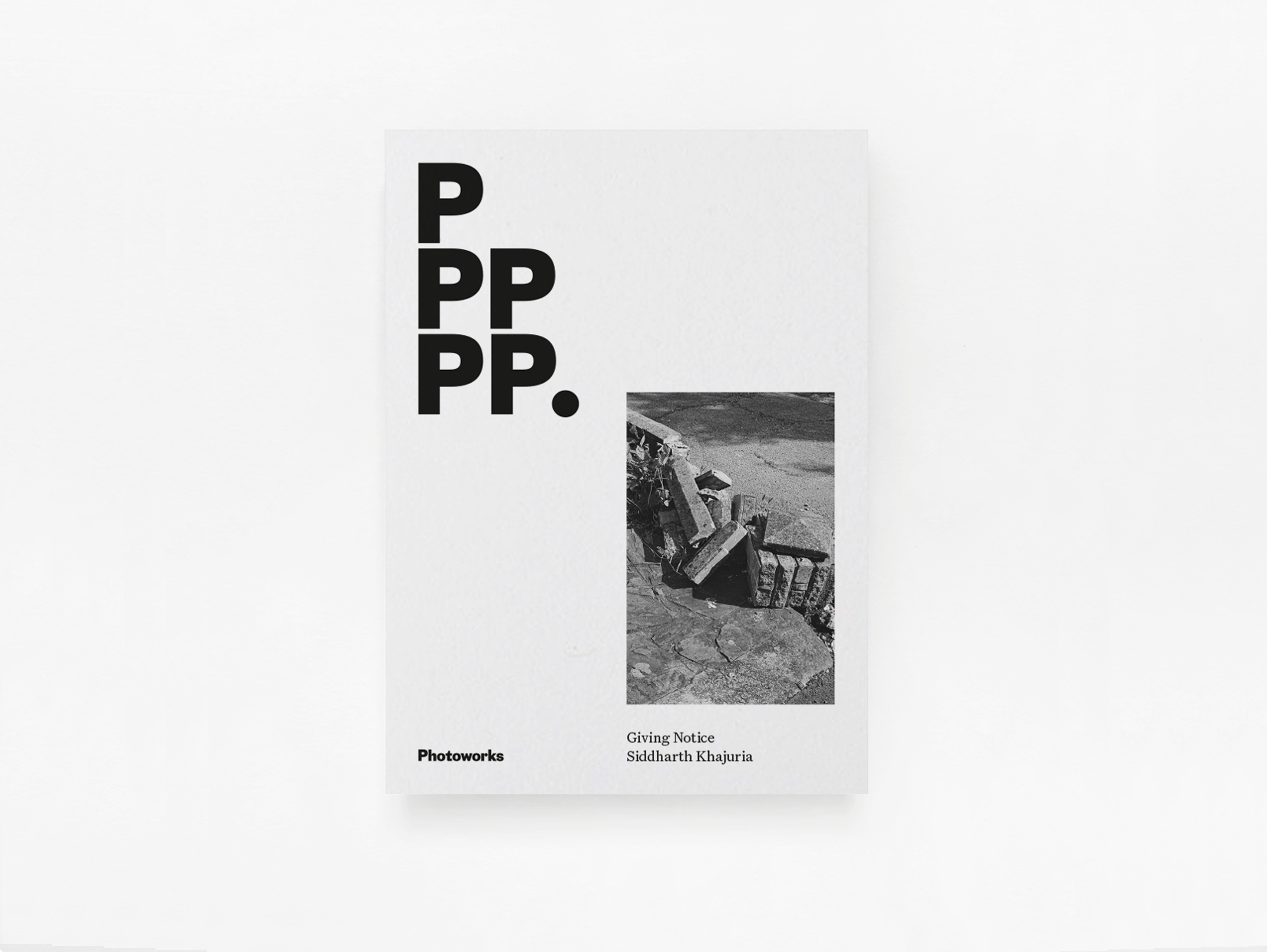
Photography deals with the passing of time, the image standing as a representation of a moment or event that has already happened. The pamphlet, therefore, is the archive or repository of these moments. This is explored in Siddharth Khajuria’s project Giving Notice, through “the ways in which things we notice and feel in the world accrete as time – and pages – unfold.” This body of work, consisting of Khajuria’s images alongside fragments of his poetry, acts as a “kind of resignation letter,” made after Khajuria stepped down as the director of an arts organisation. The project is made up of “parallel archives” of his film photography and poetry gathered over the two years before his resignation. While having a “strong archival tendency” from years of developing personal archives of photographs, writing, correspondence, audio recordings, found objects, and more, Khajuria hardly ever collects material with a project in mind, instead he “returns to them in search of the patterns and stories within.” To make Giving Notice, Khajuria went through every poem and photograph that he made over a two-year period, returning to them again and again: “in my studio, in bed, on a family holiday, in at least one dream!” Through this continuation of return and separation, of editing with scissors and a pen, slowly new patterns emerged.
The project becomes a reluctant love letter to the decisions that we make and the often-monotonous nature of life. The endless journey to and from work, the never-ending to-do list and the balance of responsibility. Textures and symbols repeat throughout the project – sunlight splitting through the trees, plants breaking free of cracks and nature interacting with the concrete jungle. The rippling water of the River Thames repeats throughout, as an anchor point for both the city and Khajuria’s project. He would “cycle or walk across the Thames almost daily, and it felt like a massive, undeniable, gulp of life.” The river is a constant reminder that life continues, and it keeps on moving, unless we do something drastic to interrupt the flow.
There’s one image that punctuates the flow of the project. It’s that of Khajuria’s son, bathed in sunlight, a reminder of home. A few years ago, his son told him, “Everything’s curious if you look at it properly.” Applied to Khajuria’s work, this way of looking reveals new layers: rippling water appears as puffy clouds, plants break free from their concrete surroundings and water droplets shimmer across the car bonnet. Khajuria’s journey through the city could mirror our own – the endless journey to and from work, our growing list of odd jobs and responsibilities. But it’s in the shimmering light and ruptures in the concrete that we’re reminded that there’s always another way to live.
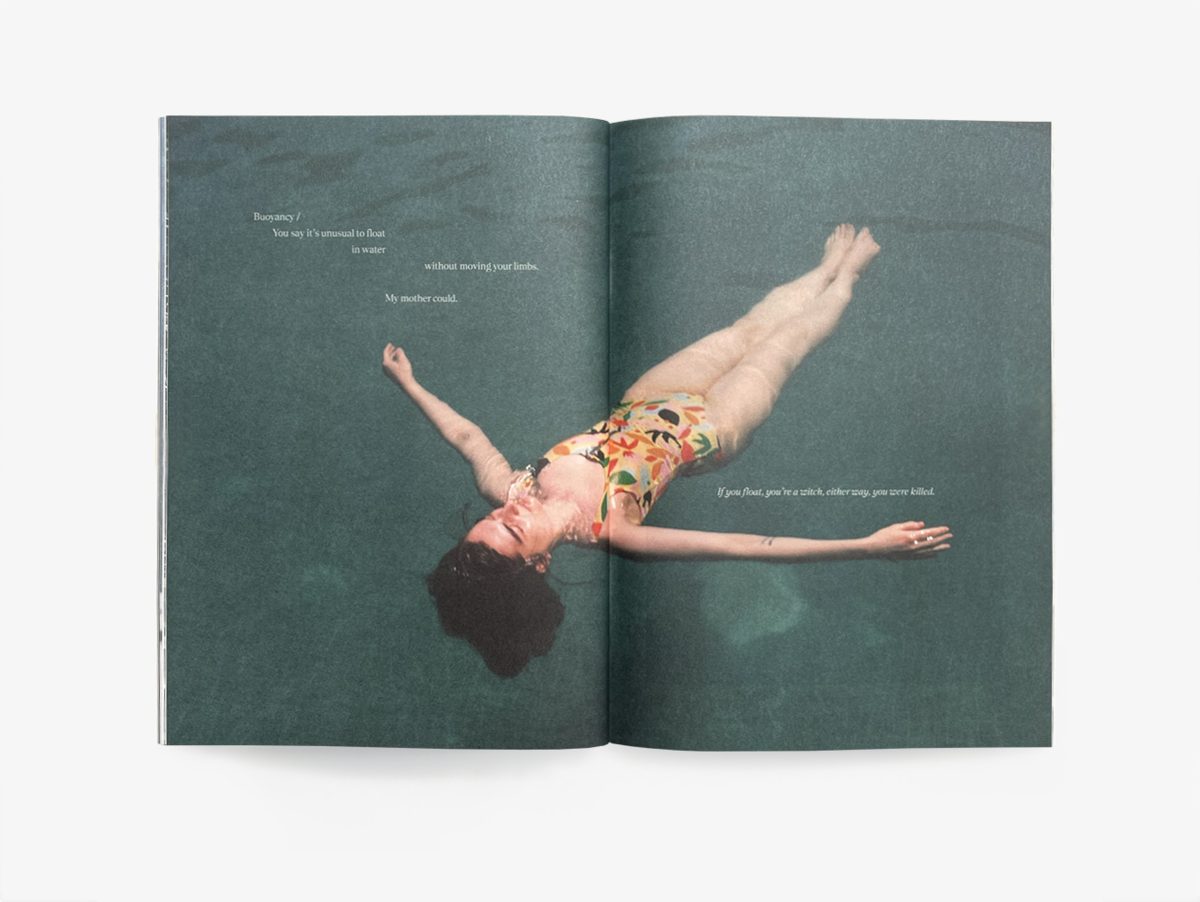
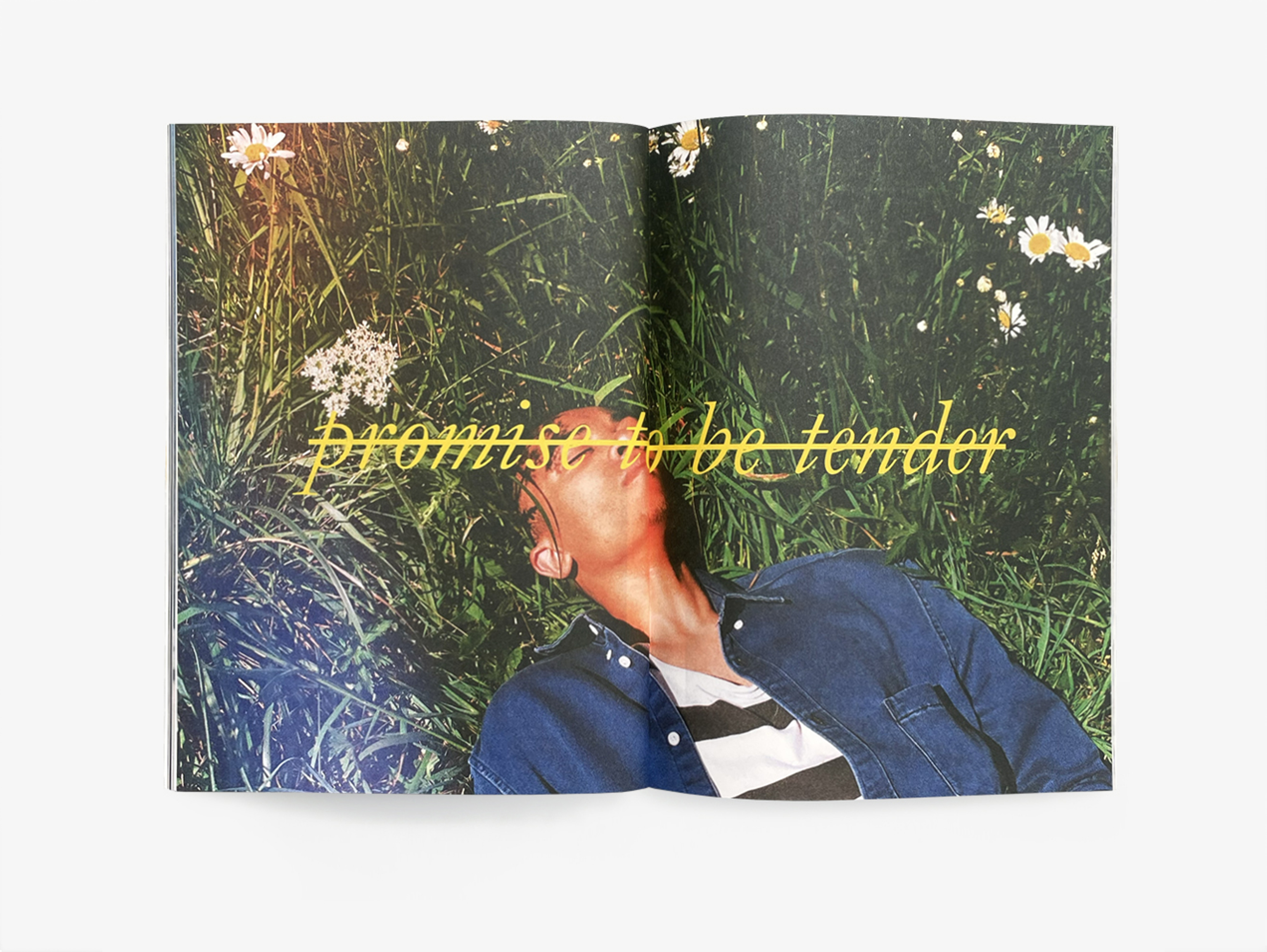
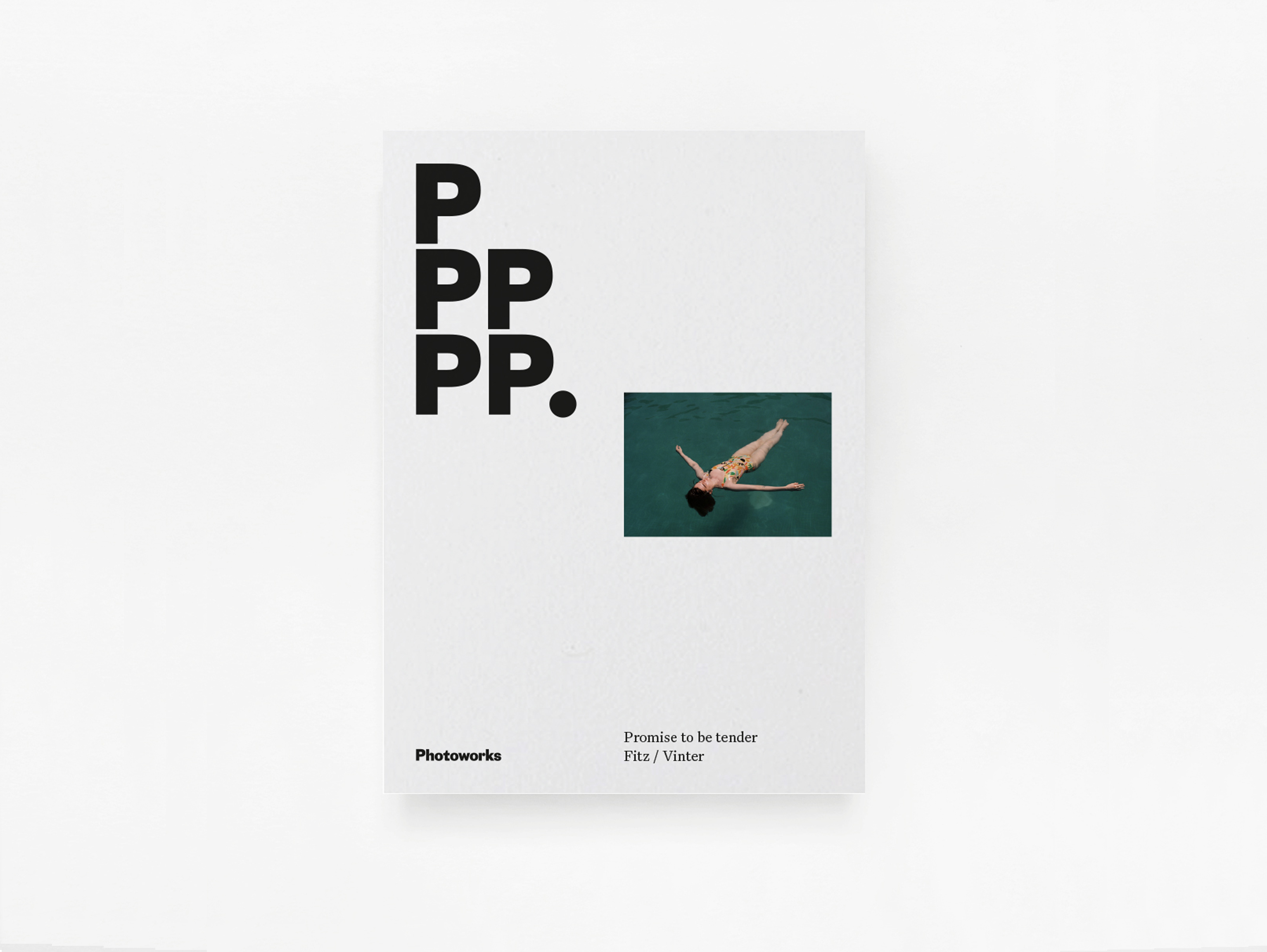
Another gentle form of collaboration can emerge from pairing photography and text. The images become unstuck by the words, and the words are anchored by the images. Collaboration is at the heart of Charlie Fitz and Oscar Vinter’s project Promise to be tender, a body of work centred on the forging of a relationship of care, artist collaboration and love amidst precarity, grief and illness. Partners in life and art, Promise to be tender is Fitz and Vinter’s “mantra, commitment and a provocation … our little manifesto.” Their creative collaboration developed a few years into their relationship after Fitz – who is chronically ill and disabled – became seriously ill and needed a high level of care. Their experience shows them “the radical potential of the labour of care.” Their bedroom became their world, a creative place where they ate, made work and survived together.
The images in Promise to be tender were made and collected over ten years. Their process isn’t linear, instead they work “in fragments and repetition,” revisiting past work to find new meaning. This process – “a crip way of working … in which there is a greater emphasis on processes than production and final finished things” – creates an expansive body of work that follows the artists through places, seasons, moments of sickness as well as love. They have long been working with poetry and images, but as a process of “recontextualisation, never writing a poem in relation to a specific image or vice versa.” Poetry interrupts the flow of the images, it expands our understanding or ruptures it. For Fitz and Vinter, poetry becomes a complicating force within photography, bringing in multiple voices and perspectives.
Fitz and Vinter have developed a unique way of making portraits that is built upon collaboration and respect – a methodology they term “assisted self-portraits.” It is multi-faceted and moves beyond portraiture to include archival imagery and collage with words. The concept builds on Jo Spence and Rosy Martin’s use of photo therapy. Specifically for Fitz and Vinter, assisted self-portraiture allows them to make work that they wouldn’t be able to alone, while honouring “the joint labour that goes into creating images” so they can “be more transparent and non-hierarchical.” This ensures that marginalised identities are foregrounded, even when “their stories or representations are being co-created and captured by others.” This way of working requires trust, an existing relationship and reciprocity – something that is front and centre in Promise to be tender.
Throughout the pamphlet, portraits of Fitz and Vinter are paired with words. We don’t know who has written what, but we know they are both present throughout. It is a project of love, care and tenderness. Sunlight is a constant that follows the pair through the work, like the river follows Khajuria through Giving Notice. The project begins and ends with Fitz surrounded by water, a place that has “continually been a space of peace and reflection, particularly as the pain in their joints and body is reduced when buoyant.” Blurring the boundaries between self and collective, linear and chronological, Promise to be tender is a living archive documenting the artists’ “commitment to each other.” More importantly for them, it’s about “how we are in the world and our relationship to others and other things.” In a society that constantly tries to divide and fracture us, this becomes a political act and a reminder of how we can live together, alongside nature and with hope in the small moments of joy in the places and people we call home.
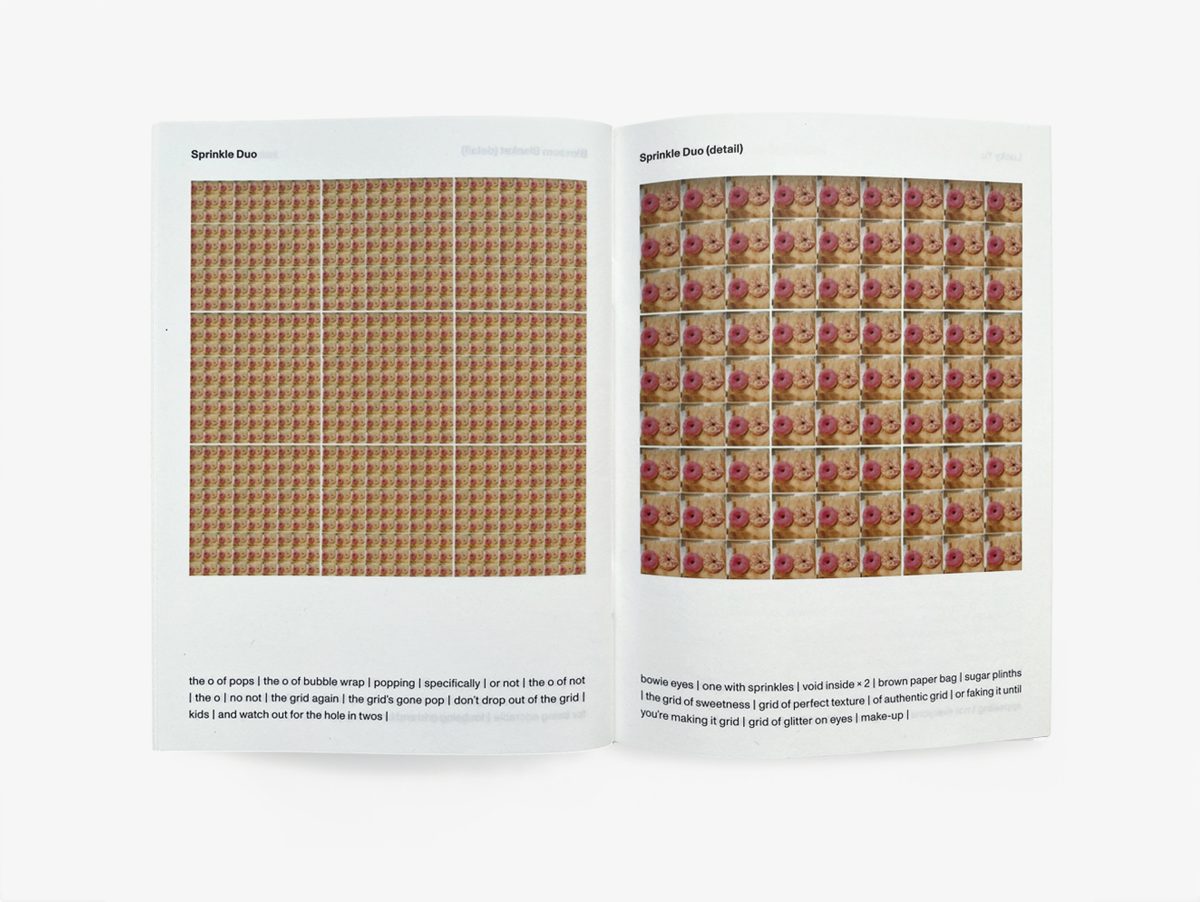
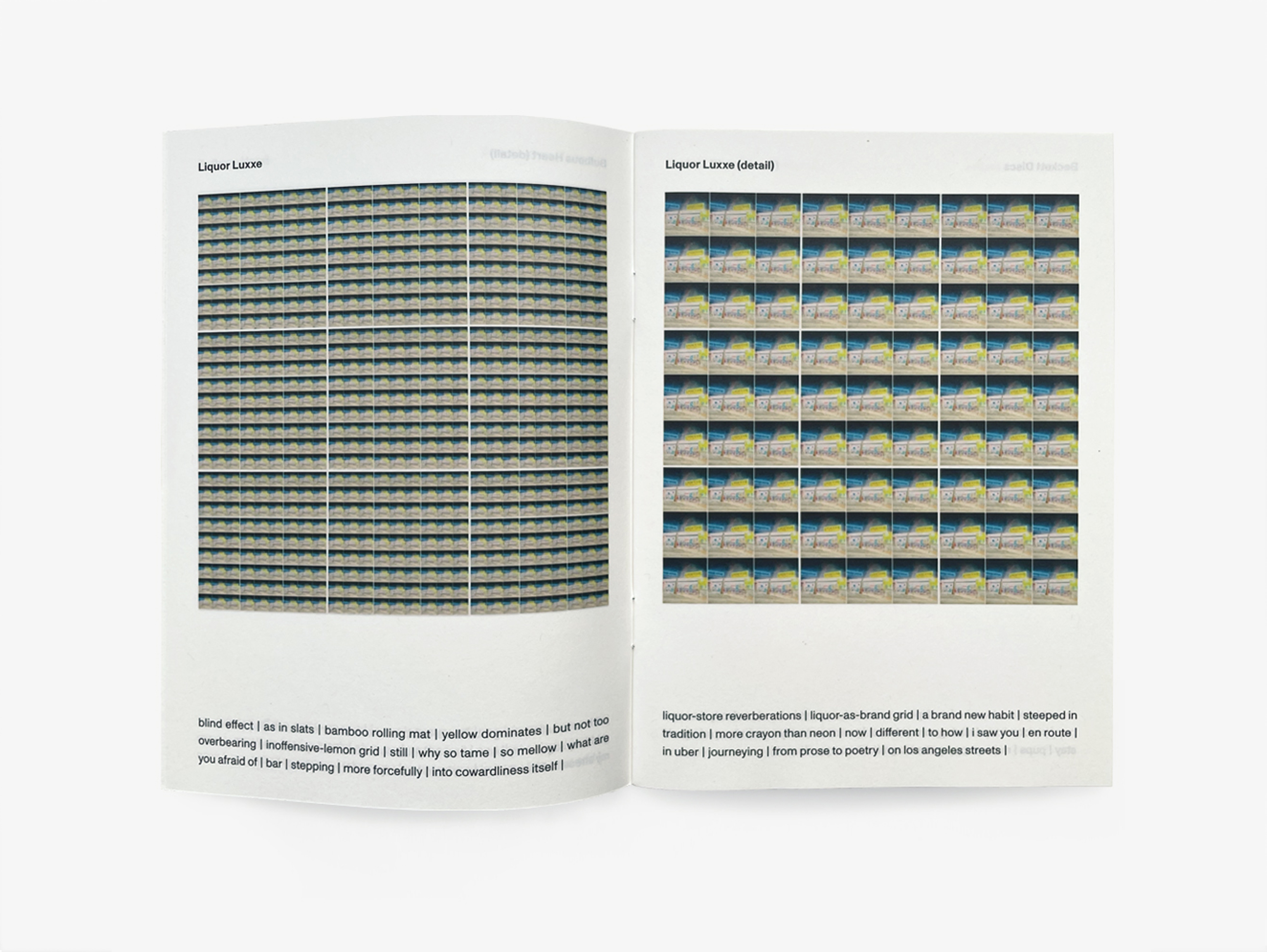
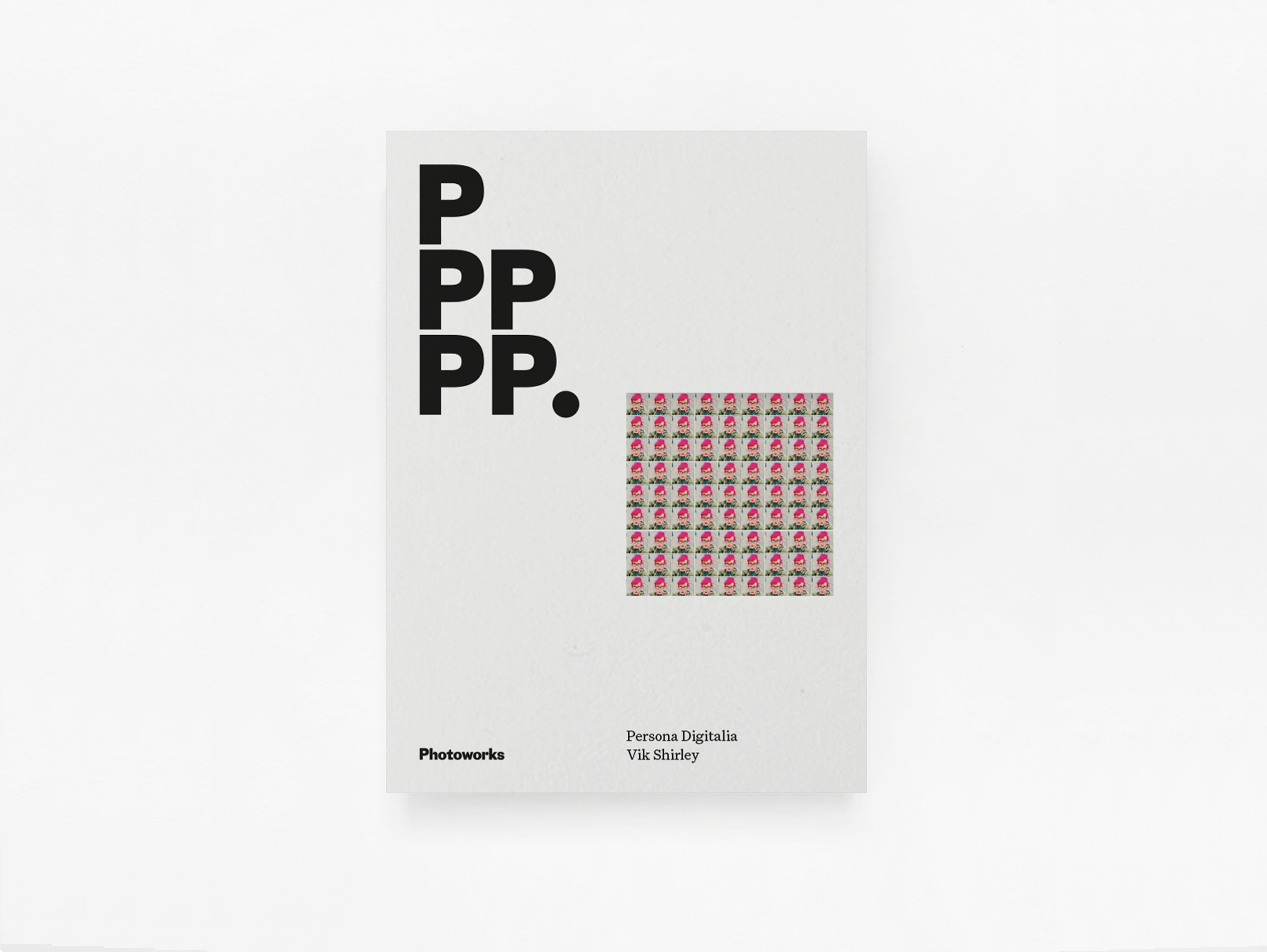
The personal archive is present throughout these projects, as the artists respond to daily life through text and images. Vik Shirley’s Persona Digitalia is a project of digital manipulation made up of images taken on the artist’s iPhone, alongside autofiction poetry. The photographs are spontaneous, selected from existing images: snapshots of everyday life taken in Edinburgh, Seattle, LA, Glasgow and Bristol. There are images of graffiti, a Ferris wheel, neon shop fronts and cherry blossom; aspects of life abstracted by Shirley. She doesn’t intend for the reader to follow a narrative, but includes a list at the back indicating where and when they were taken for those who really want to know. The work calls out to the reader to dive into it and let it envelop them, with the narrator of the Persona Digitalia photo-poems directing them through Shirley’s world. Responding to Photoworks’ provocation that the images and text should be in conversation with each other, the text addresses the images in the pamphlet, becoming “a lover, a memory, a friend, a mirror, a springboard into oblivion or the subconscious.”
The words are a form of autofiction poetry, but rather than responding directly to the images, the text is a commentary of Shirley’s life, creating a dissonance between the image and text. Working with Jane and Jeremy on the design, they purposely enhanced and exaggerated the distance between the poetry and photography – they stand alone, allowing the viewer to spend time with the image first, before moving on to the text. It happened organically, as if “the images and text were speaking in tongues inside the grid” and through this process, “Persona Digitalia became a world.”
As Shirley explains, the pairs of images “represent having your cake and eating it; the indecision of life; the desire to want both things; and the inability to choose.” This perfectly describes how many of us live and feel – “the contradiction and double-sidedness of being human.” The concept for the project developed once the two versions of the images came into being – the zoomed in images reminding Shirley of “the unsaid, the things that are hidden.” Finding pleasure in the “monotony of repetition,” the zoomed-out images look like old film strips or negatives. They both have meaning for Shirley as “having your cake and eating it is not always an option in real life for a working-class neurodivergent poet, artist and writer.” But through art, Shirley allows herself “that privilege and luxury.”
When describing why he brought photography and poetry together, Khajuria refers to “the chasm,” the difference between sending an email and speaking to people directly. “I wonder if photo-poetry invites a little more of this tangle onto the page?” This tension is explored in different ways by the prize recipients, in Zawacki’s quiet images that speak to the tensions of living as a citizen today, in Khajuria’s personal archive that tells us of the importance of making a change or rupturing the flow of life, in Fitz and Vinter’s care-based collaboration and in Shirley’s fractured, digital world. In each of the projects, the relationship between poetry and photography is not fixed. This tangle of places, experiences, voices and ideas unfolds throughout the projects as the artists all create their own musings on the world as they experience it. It is an invitation to remember that art can help us untangle life as it moves around us– or at least it can become an archive of our memories as we try to navigate through it.
Hannah Geddes is a curator, writer, and researcher specialising in contemporary art, particularly photography and collaborative practice. She is Curator, Talks and Events at ICA , London and the co-organiser of Glue book fair and public programme. She is also Curator at Splash and Grab Magazine and is currently carrying out a PhD titled ‘Tracing Messiness: the self as catalyst for the collective in contemporary photography’ at UAL.