

Picture Emotions parent example / Guidelines
Picture Emotions parent example
Guidelines for using the images
It is worth reminding ourselves of the power of images and of emotions to excite, inspire, depress and distress people.
Images can trigger many memories, pleasant and unpleasant. We need to use these resources with care and respect.
While the images will provide rewarding experiences in workshop sessions for people of any age, in any discussion of emotional health special care must be taken to act respectfully and sensitively.
The images may provoke emotional reactions in those who look at them and think about them and we need to be very careful to make sure that anyone taking part in exercises using these images feels safe and supported. They may each have very different reactions to the same image so it’s important not to prejudge what the images might mean.
For both series: Dealing with emotions and being alone
1. Different Perceptions
For Series (A)
Dealing with Emotions
In each of these cards a young person identifies an emotion.
1. Discussing emotions
Small groups or individuals can discuss what that emotion means to them and compare different ways of experiencing the impact of the image.
2. List the things that make you happy
A list of things that make each person feel happy can be made with a discussion about how they might make sure that they have more of these experiences. Questions facilitators might use:
- Describe any time when you have experienced a similar emotion
- Look at the image and write a list of what you imagine the person in it is thinking
- Imagine what they are going to do next
- Imagine what they have been doing before they felt like this
- Imagine what the person might be wishing or hoping to happen
- How is this person similar to you and how are they different from you?
- How do you relate to the feeling they are picturing?
3. Helping each other
Write a letter from the person in this image to his or her best friend explaining what they are experiencing. Write a reply, as if you are that friend, that will please the person in the picture.
For Series (B)
Being Alone
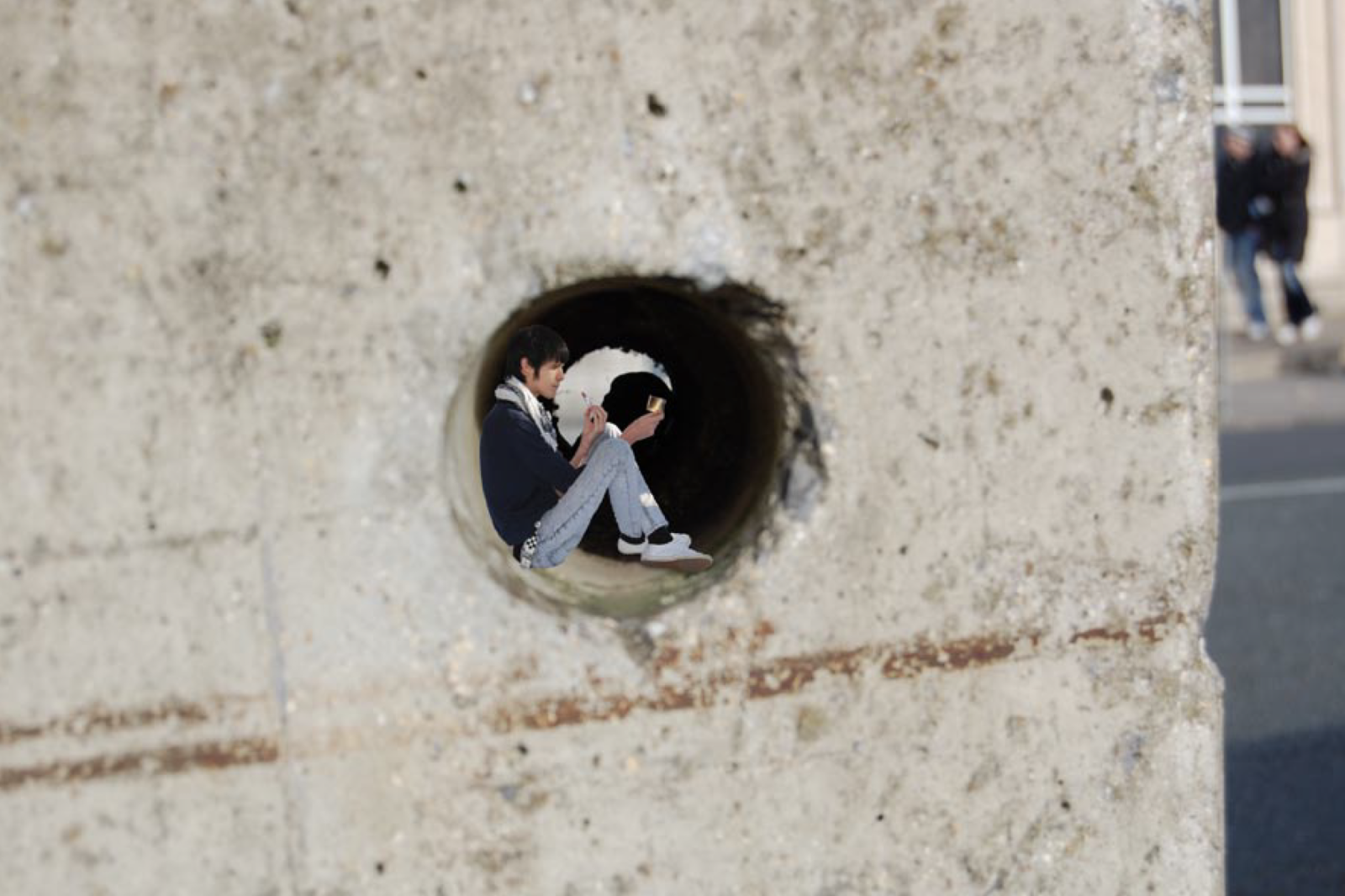
These are seven images of young people alone. Sometimes they may be interpreted as happy and sometimes as very sad.
The same image might mean quite different things to different people.
Questions to provoke discussion:
- What is this person thinking?
- What is the atmosphere of this picture?
- What do you like about the image?
- What do you dislike about the image?
- What would you put in a picture that would show the opposite of this one?
- What might happen to change this person’s mood?
- What might have caused this person’s mood?
- When you are alone how do you feel?
- What are pleasant experiences of being alone for you?
- What are unpleasant experiences of being alone for you?
- What are pleasant and unpleasant experiences about being alone for people who are different from you?
Examples might include people aged 80 years old, people living in a very poor country, people who are famous, people who work on oil rigs, people in your family, people in prison.
There are endless variations of work and activity for this list. The idea is to cover a range of good and bad experiences of being alone and to improve empathic understanding of others.