#29 The People’s Pictures
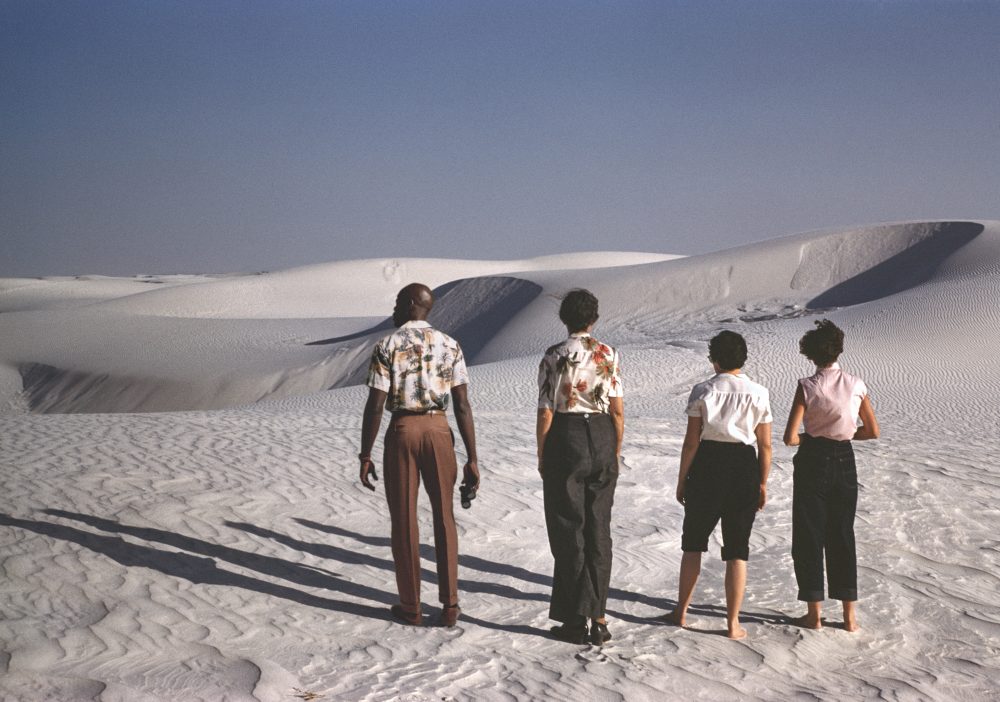
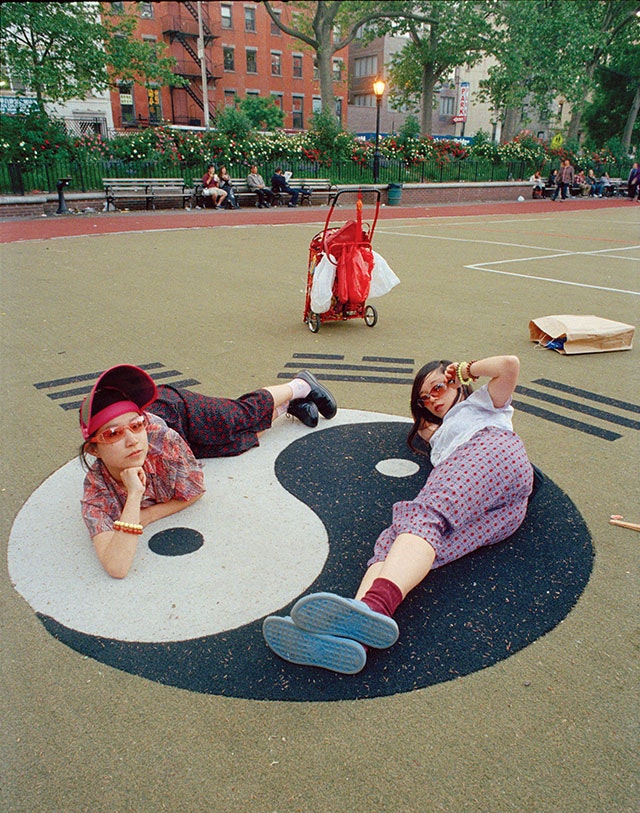
This edition of Photography+ is dedicated to vernacular photography. The everyday moment of existence reveals the rich, textured life of photography beyond the professional or artistic sphere. The documents of people, places, material culture, and fleeting moments that might otherwise be forgotten.
Featuring writing from: Carolina Semprucci, Róza Tekla Szilágyi, Laura Havlin, Taous Dahmani, Emily June Smith.
Community submission artist: Masha Wysocka.
Read editor's noteSitting at a shared coffee table in Stonehenge, I overheard an American couple in their sixties talking about their visit and scrolling through the images they had taken of the stone circle. “I like this one. It was an accident, but I like it the most,” the woman said, showing her husband a photograph. She added that she wanted to frame it and hang it on the wall. I could not see the photo, and ironically, I wanted to. Still, I began thinking about how much accident and chance are involved in the act of photography, especially in the digital era. Unlike painting or other forms of art, a fleeting touch on a screen can turn into the most cherished image of someone you love, holding a moment that could never have been planned.
A few weeks later, a friend showed me a photograph he had taken for his new project, saying he did not want to use it because it was an accident, even though it fit perfectly within his project. A quiet form of perfectionism held him back. Yet somewhere in the United States, that woman’s accidental photo now sits in a frame, marking the best memory of a visit to Stonehenge.
People’s pictures often carry a particular note, a flavour born not from perfectionism or obsession, but from something intimate. The smile of a loved one, the way a family gathers, a tear that falls the moment someone meets their baby for the first time, these can become the punctum of a photograph. Whether hidden deep in a camera roll or framed on a dusty table in a quiet corner of the house, such images are rarely judged for their blur, their tilt, or the harsh red flash that burns in the eyes. What matters is not their aesthetic, but the memory within them. People ask about the moment, the story of the photograph, the vacation, and the year it was taken. Who is the beautiful person beside you? Was that style common back then? Why were people attaching long sticks to their phones to take selfies?
The ordinary photograph, produced more than any other kind, holds this quiet form of knowledge. It brings intimacy to those who gather around it and carries the magic of another time into the present. Sometimes these images become material for others, a raw field for artistic practice, research, or the study of how human life once appeared in a certain place and time, among a specific group
This edition of Photography+ is dedicated to vernacular photography. The everyday moment of existence reveals the rich, textured life of photography beyond the professional or artistic sphere. The documents of people, places, material culture, and fleeting moments that might otherwise be forgotten.
Carolina Semprucci, Photoworks’ Writer in Residence, considers vernacular photography as a visual language shaped by time, circulation and detachment from original context. In To Tend the Flower, to Grow the Archive, she reflects on how digital habits and the decline of printing are reshaping what everyday photographs are and what they might become.
Róza Tekla Szilágyi in The Unsung Heroes of Everyday Photography, writes about the people who quietly gather and protect everyday photographs. Through their care, these pictures do not disappear. They stay, and over time, become part of how we look back at everyday life.
In Setting the Record Straight, Laura Havlin examines how vernacular photography complicates the idea of the archive as a complete record. Through rescued, hidden, and community-held images, she shows how personal photographs reveal what official histories overlooked or could not safely record.
Republished in collaboration with Éditions Textuel and The Anonymous Project, Taous Dahmani’s essay reflects on Being There by Omar Victor Diop and Lee Shulman, examining how vernacular family photographs carry quiet systems of exclusion, normativity, and racial absence.
In Loving Through Time, Emily June Smith reflects Jennifer Drabbe’s intimate book, where letters, photographs, and family archives become a shared language of love across six generations. Drabbe demonstrates how love endures through ordinary gestures, imperfect memories, and the quiet persistence of women’s stories, carried forward through time.
And from our Photography+ community, Masha Wysocka’s Truth is Stranger than Fiction draws on censored vernacular photographs and archival reports from communist Hungary, tracing how truth, propaganda, and imagination fracture and overlap.
Perhaps what remains is not the photograph itself, but the act of sharing it, the gathering around an image, the retelling of a story, the slowing down to remember. The people’s pictures live in these exchanges, where photographs become traces of how we have imagined, remembered, and understood one another over time.
Editor’s Note
Amin Yousefi
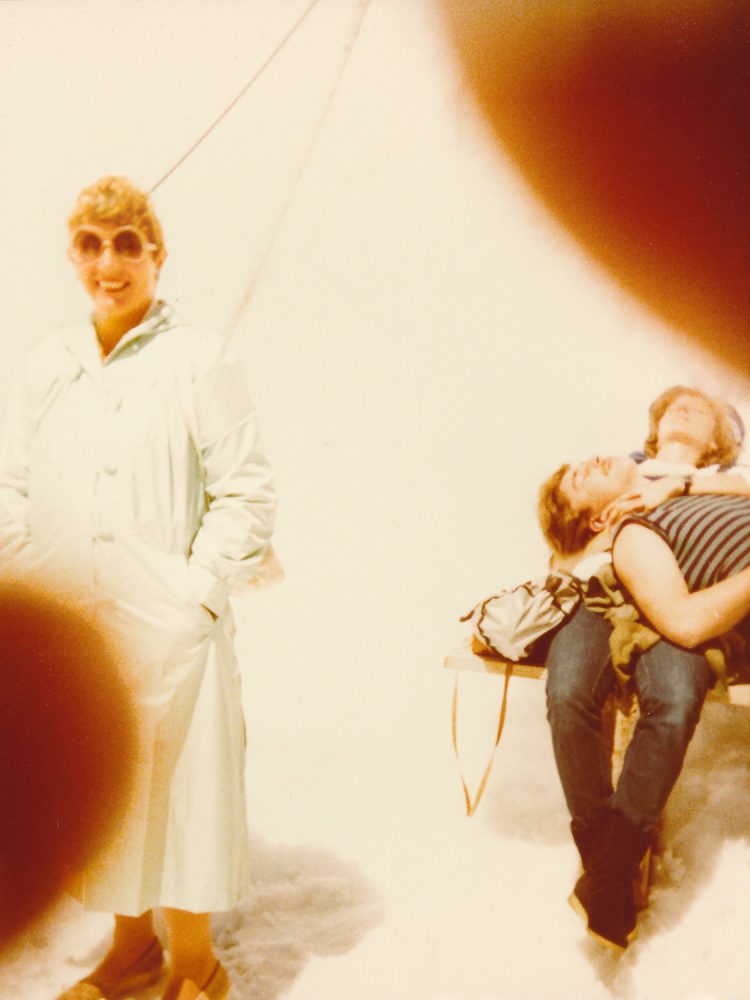
Community Submission: Masha Wysocka
#29 The People's Pictures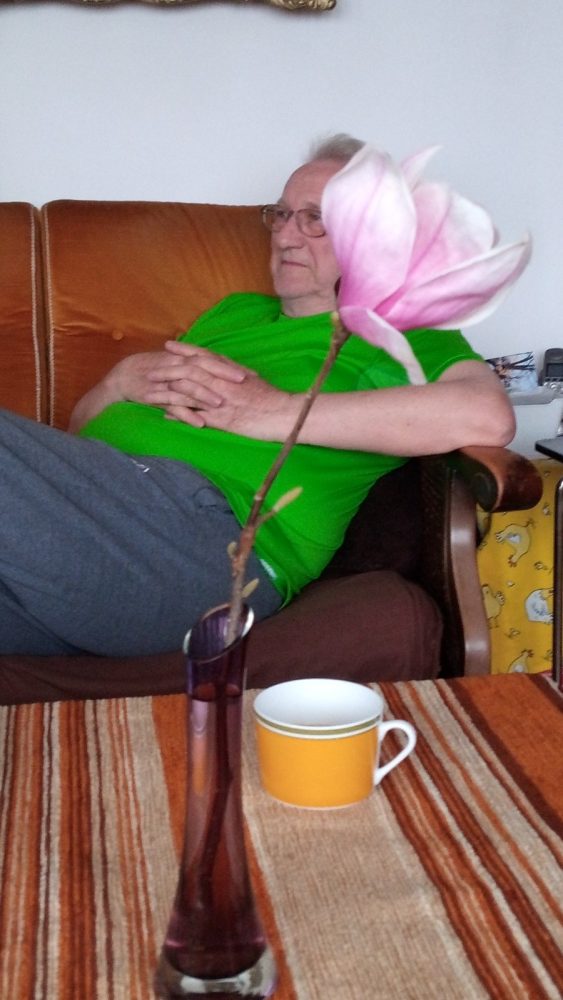
To Tend the Flower, to Grow the Archive
#29 The People's Pictures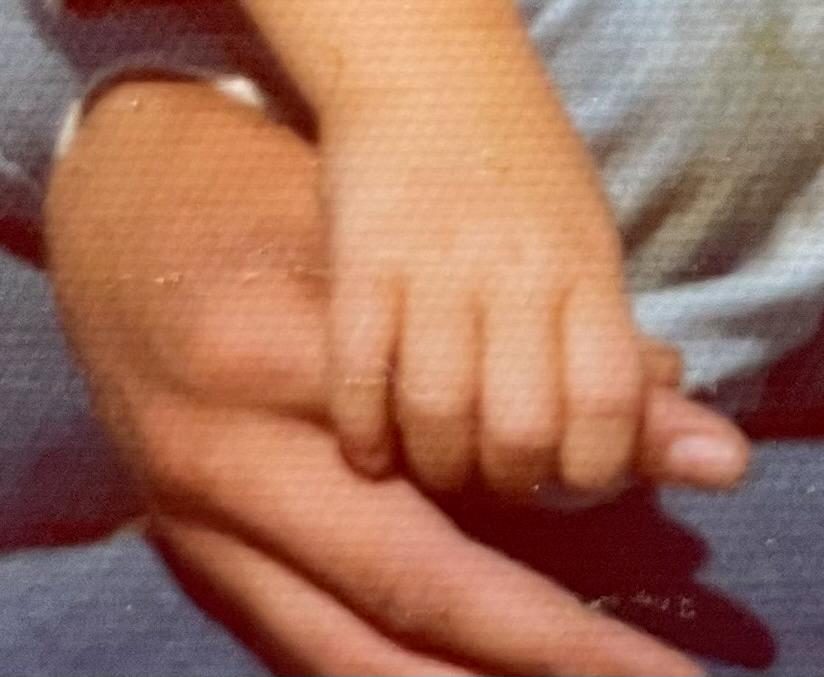
Loving Through Time
#29 The People's Pictures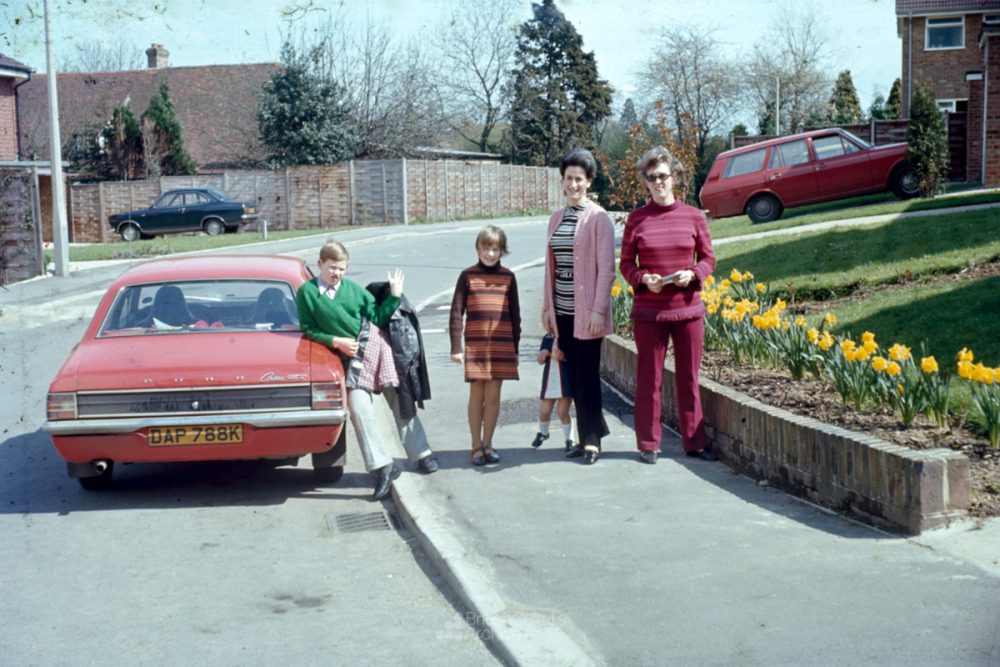
Setting the Record Straight
#29 The People's Pictures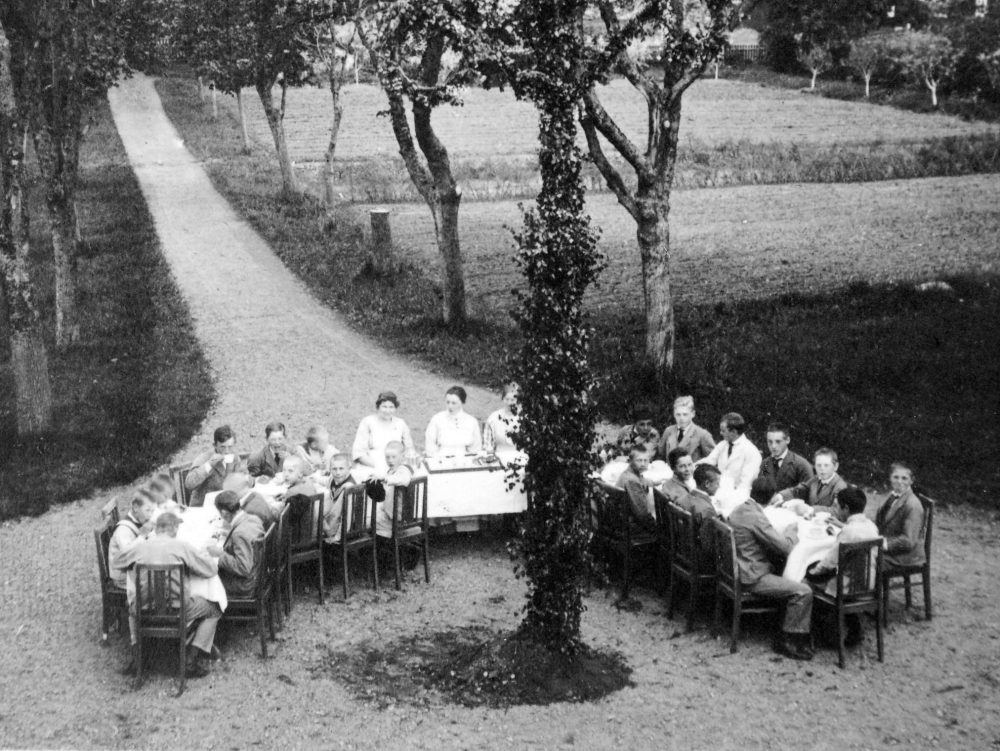
The Unsung Heroes of Everyday Photography
#29 The People's Pictures