

Part of Photoworks Festival 2026
This resource invites you to think about queer histories of land, building and making, inspired by Photoworks Learning and Engagement Programme, Queer Grounds.
Introduction
This resource uses some of the photographic approaches developed through Queer Grounds as a starting point for thinking about queer histories of land, building and making, and how photography can help us think about queer community building.
Queer Grounds is an LGBTQ+ photography group led by myself Eva Jonas, and Kairo Urovi. Working between staged and improvised image-making, we explored ideas around queer community organising, DIY building and making spaces together.
We used photography to document and explore moments of working with tools, timber and workshop structures, as well as our relationships with one another. Some of this work developed through a workshop with In Our Hands, a queer-led carpentry organisation based in West Sussex.
This resource is best explored in a group of 3 or 4 people. We will use self-portraiture and improvised image-making, which can work particularly well when you are making images together.
In Our Hands
In Our Hands is a queer-led carpentry and construction space that supports women and gender-diverse people to develop building skills. The workshops are taught and facilitated by women and gender-diverse tutors, creating a space where people can work at their own pace and outside some of the pressures often found in more traditional trade and construction environments.
In Our Hands also connects to a longer history of queer organising and of queer people creating their own spaces for learning, making and sharing skills. Across different queer communities and at different points in history, people have come together to create spaces where knowledge and resources can be shared outside more conventional structures.
If you are interested in finding out more about these histories and examples of queer skill-sharing and community organising, you can explore some of the further links below.
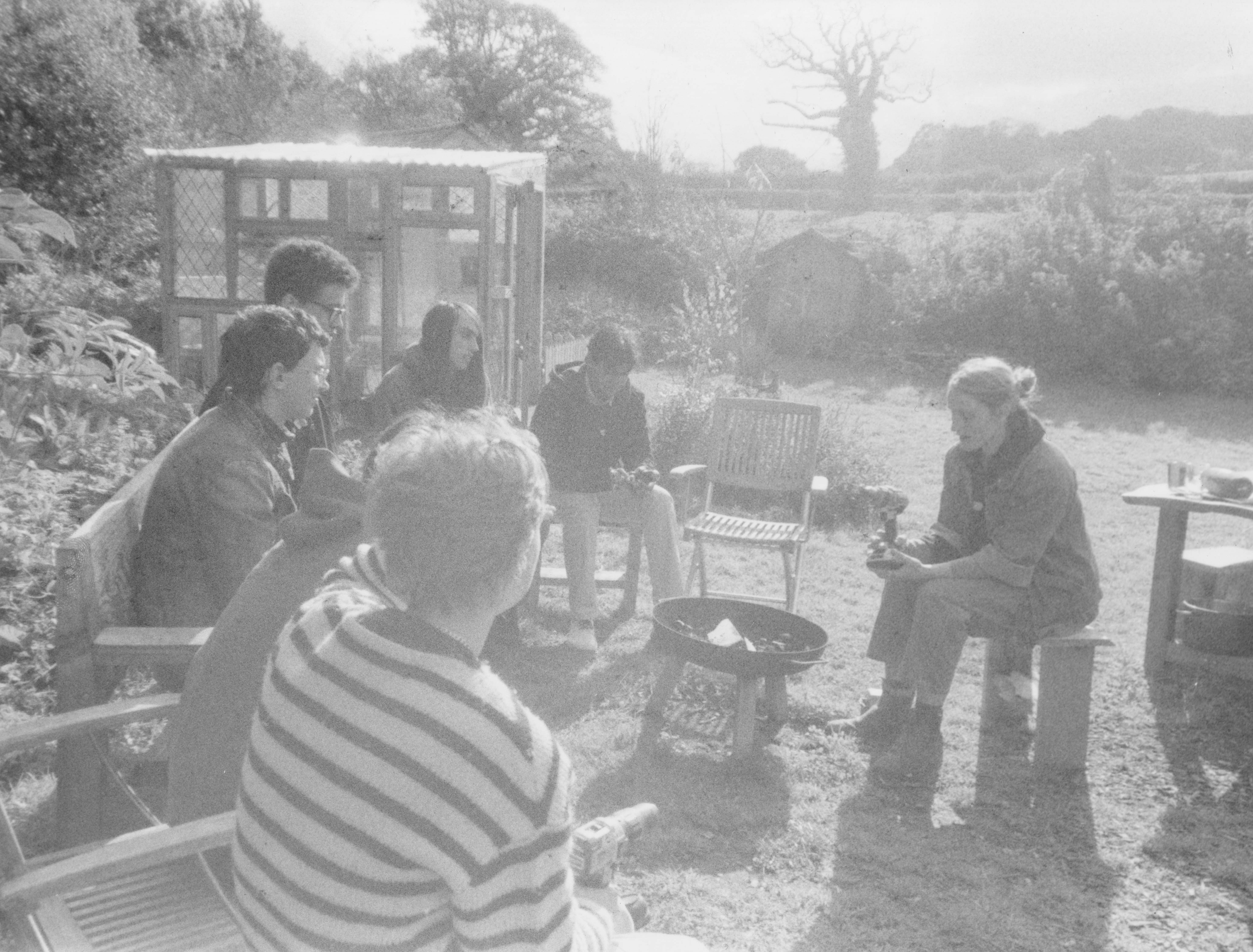
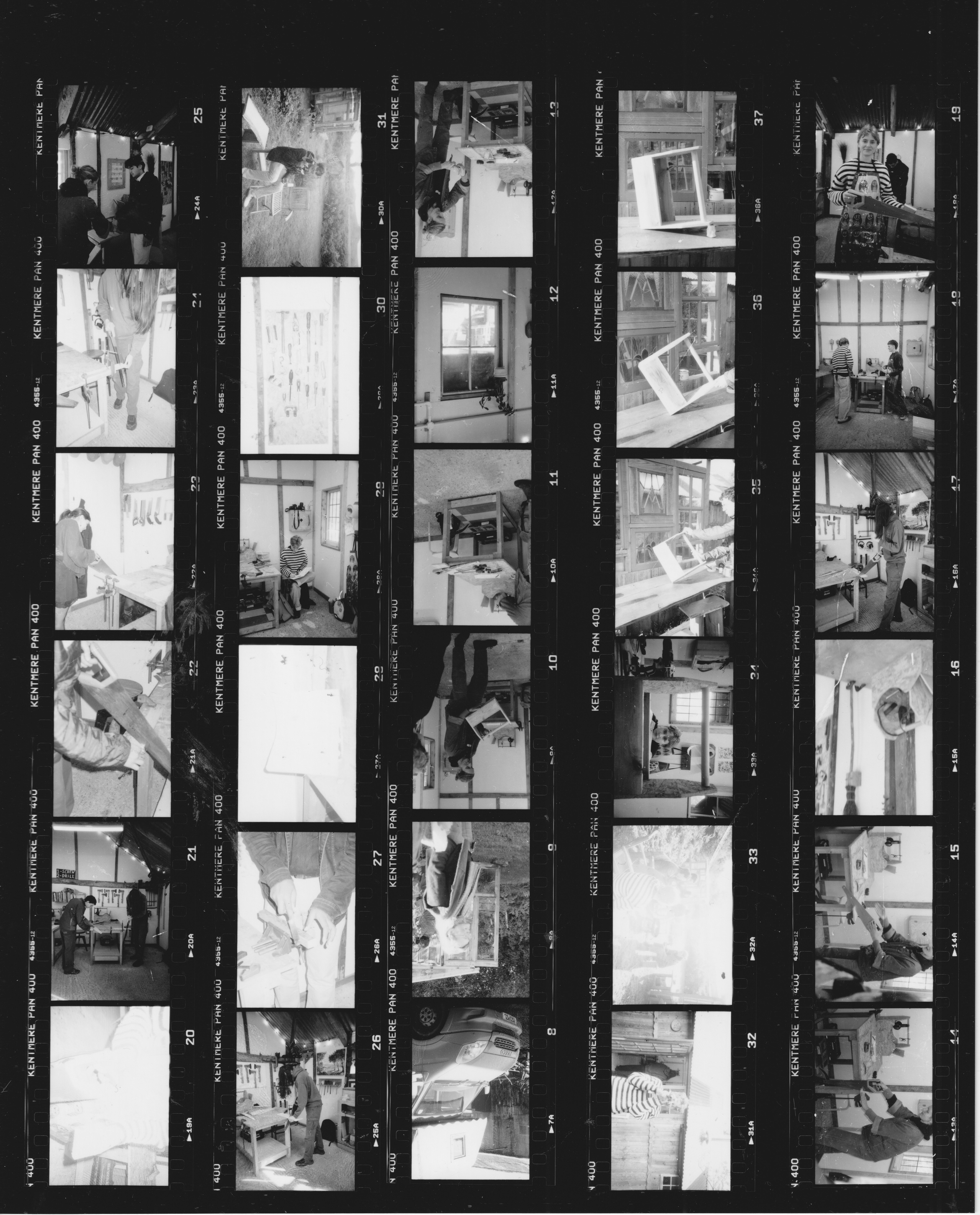
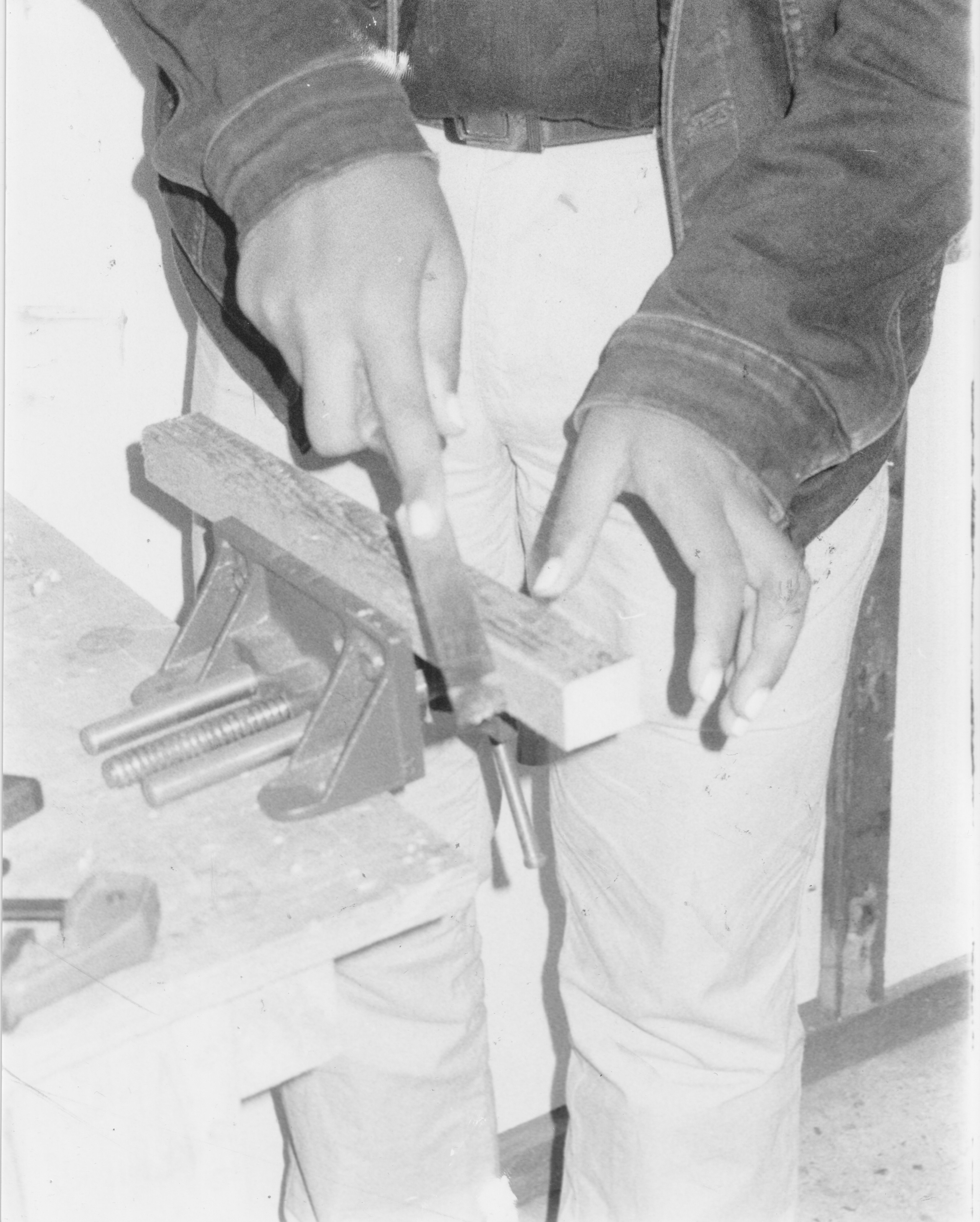
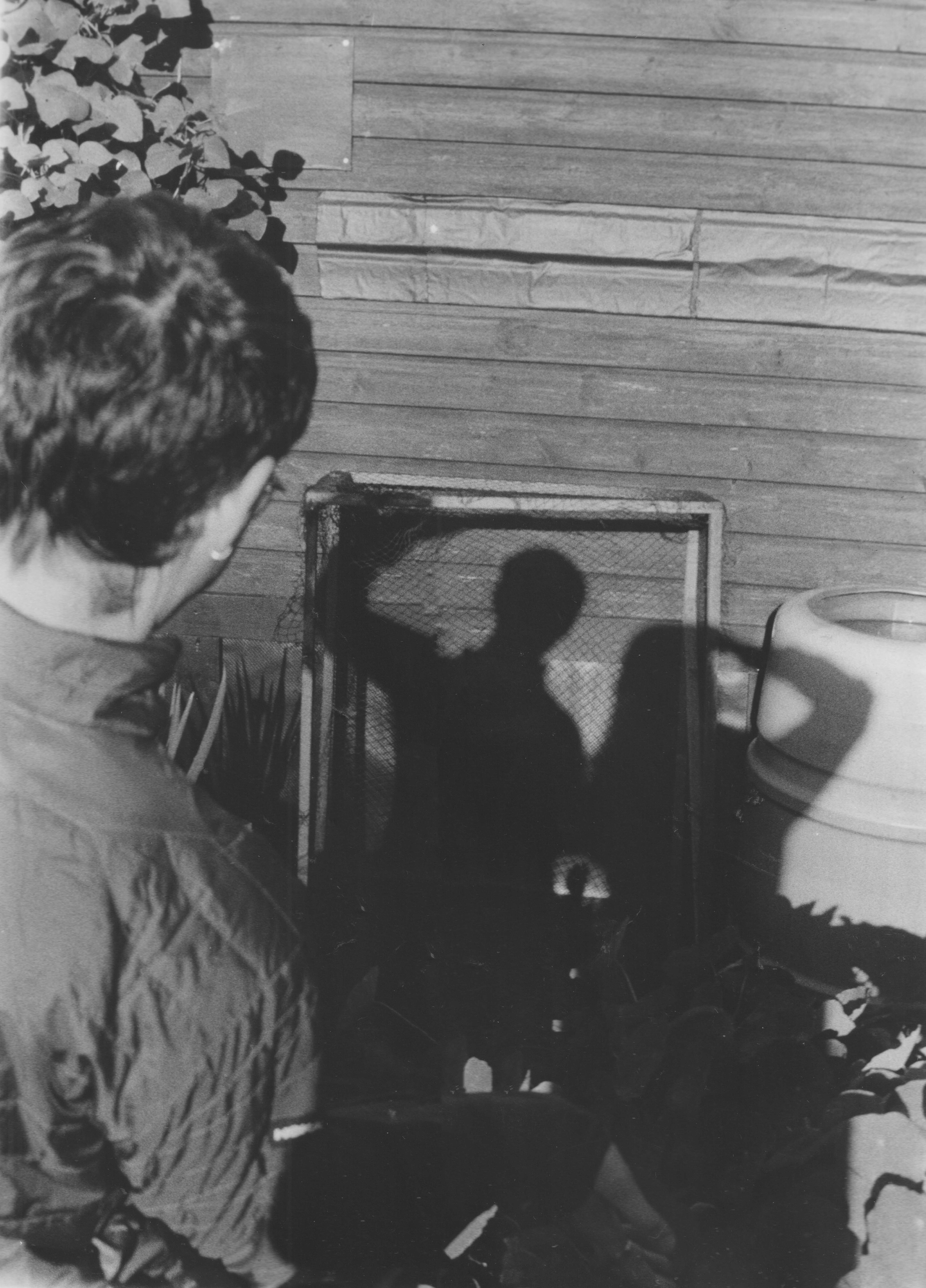
Look at these images, taken by Queer Grounds during the In Our Hands workshop




Warm Up Task
Look at this selection of images from the programme…
- What can you learn about the workshop from these photographs?
- Can you get a sense of what it might have felt like to be there?
- What do you notice about the people, objects, tools and materials in the images
- How do the photographs show people working together?
- How do these images make you feel?
Activity I. Making with your hands
Some spaces are designed specifically for sharing skills rather than making a profit. When people teach each other, share tools, repair things, make things together or pass on knowledge, they are practising ways of working that don’t depend on buying or selling. We are going to explore what is needed to learn new skills, from tools and support to peers and community.
Can you think of a space where people learn from each other, share skills or build confidence?
This could be a workshop, community centre, youth group, garden, club, classroom or somewhere else. It doesn’t have to be a queer space.
If a space doesn’t come to mind, try sketching your ideal workshop or community space.
Think about:
- Who would be there?
- Who would teach?
- What could you learn?
- What would you make?
- What tools or materials would be available?
- How would the space feel?
- How would people look after each other?
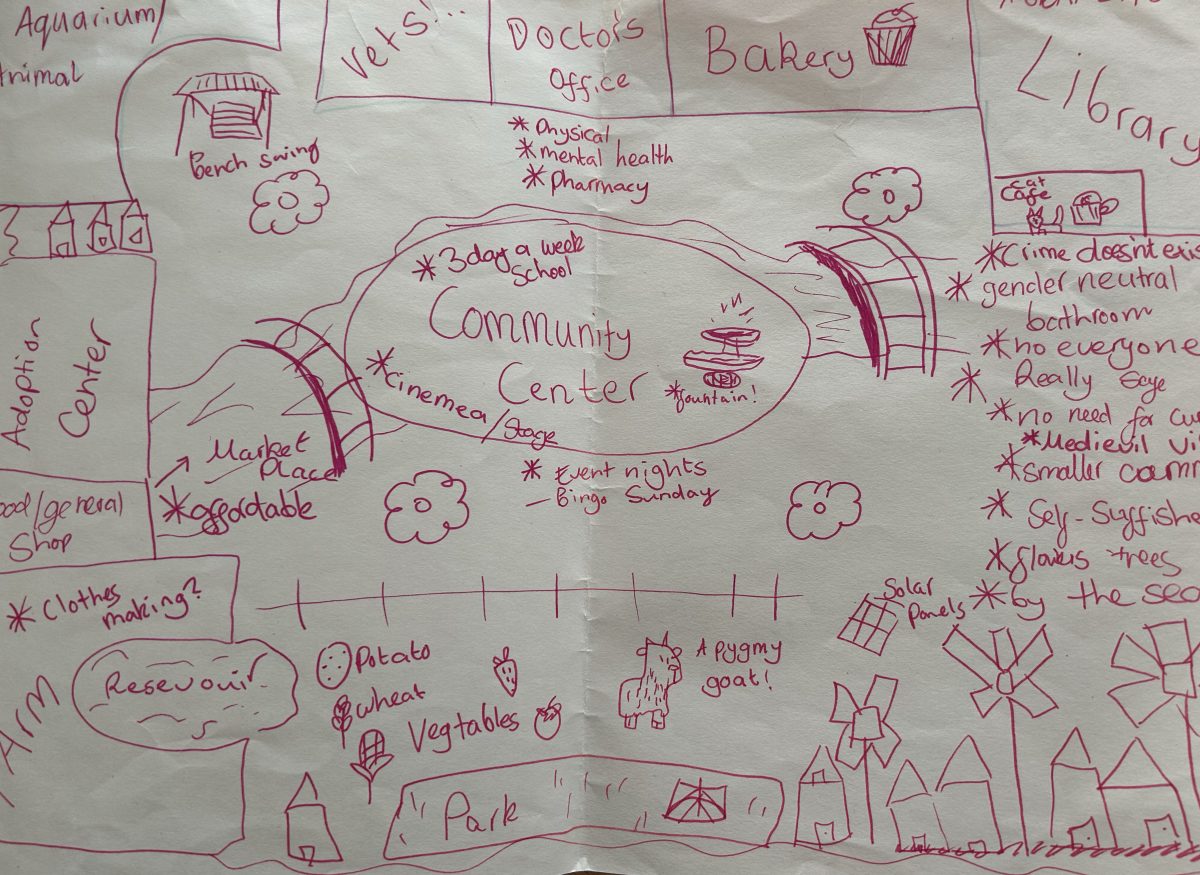
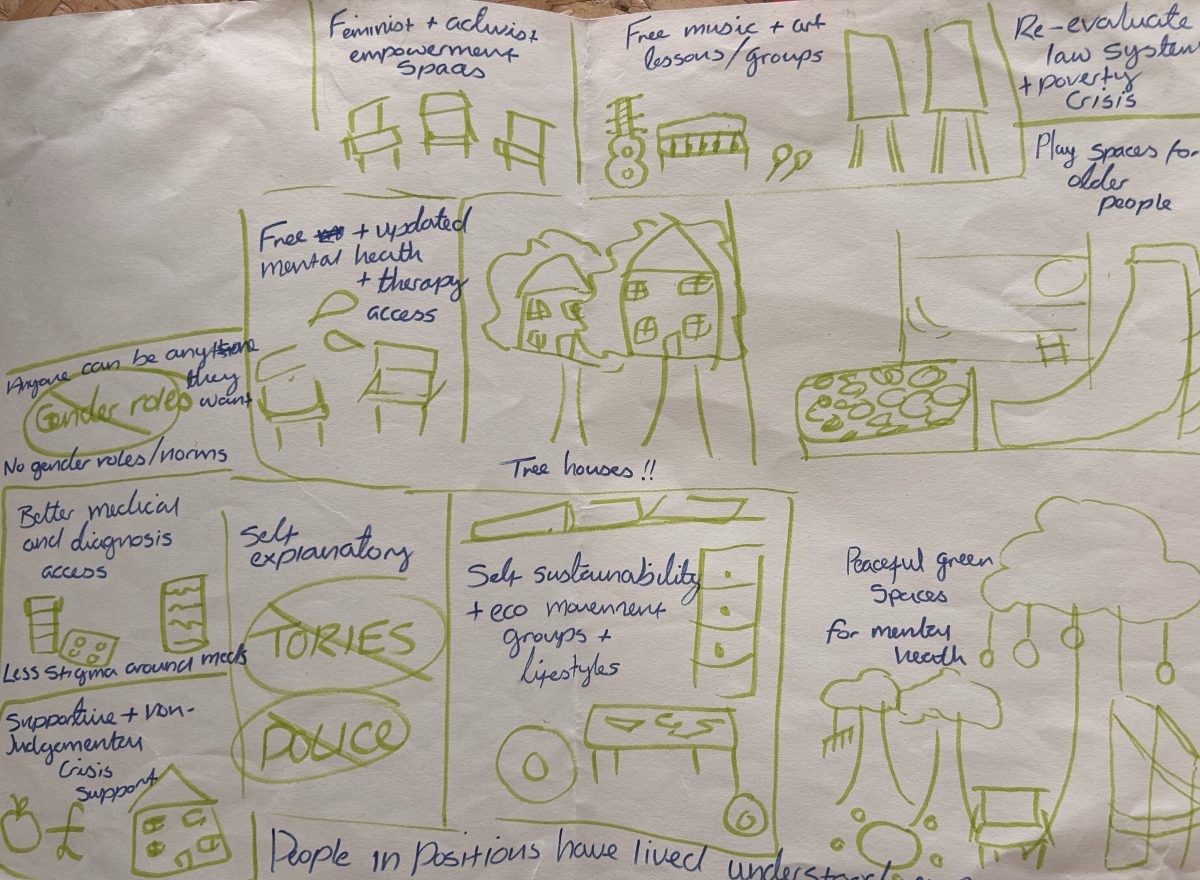
We are going to use photographic prompts to explore the relationship between photography, objects and sculpture, and to think about what queer community building might look and feel like. Photography can be used as a way to physically create and fill space, whether life-sized or through models.
Activity II. Building a space together
These activities work best in groups of 3 or 4, with a camera, tripod and cable release if you have one. If you don’t have a cable release, you can use your digital camera’s self-timer.
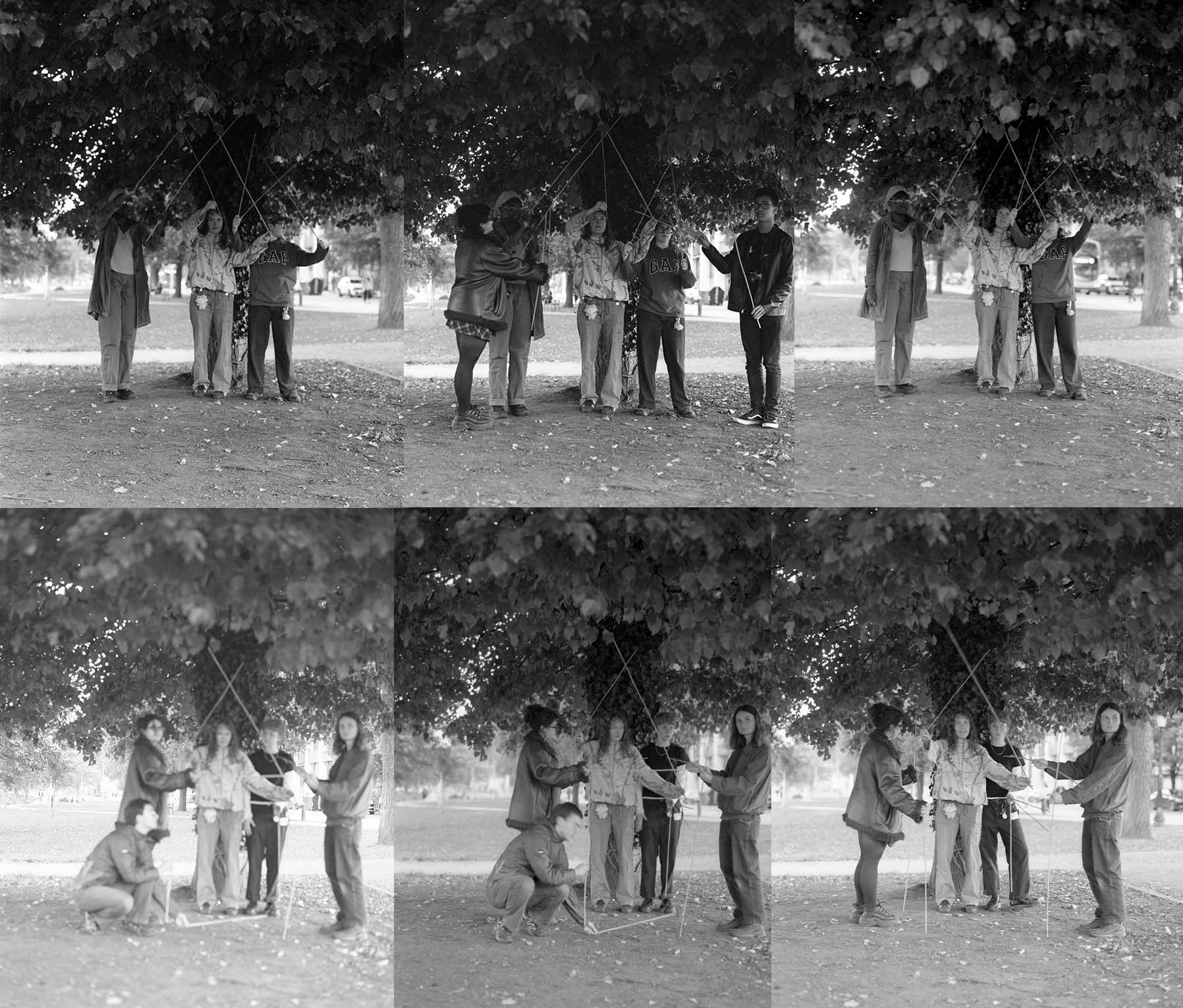
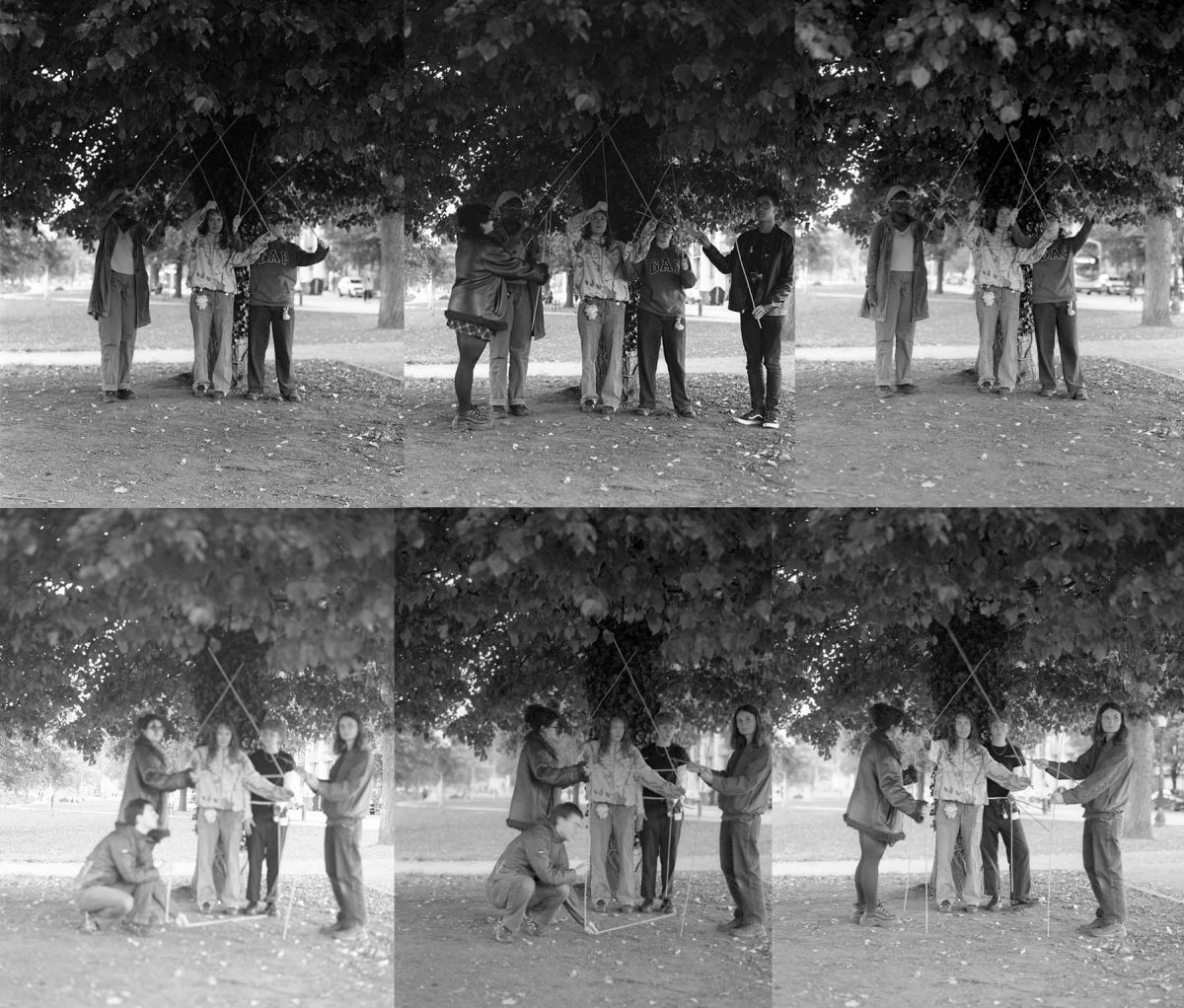
Look at the image below. This photograph became the starting point for Queer Grounds’ exploration at In Our Hands.
Here we used photography, self-portraiture and semi-improvised image-making as a way of getting to know one another and exploring the ideas within the space.
Think about the space you have imagined. What shapes, forms or objects could represent it?
Is there a building, workshop, shelter or structure that could become a metaphor for a space where people come together?
Make your images. Using rope, sticks or blocks, help each other represent shapes or forms. For example, the ‘roof’ of a building, a wall or another structure.
Play with ideas of building: one image could show one step, followed by the next image showing the next step, as in the example below. This can make the image feel like an instruction or invitation.
Activity III. Making a ‘house’
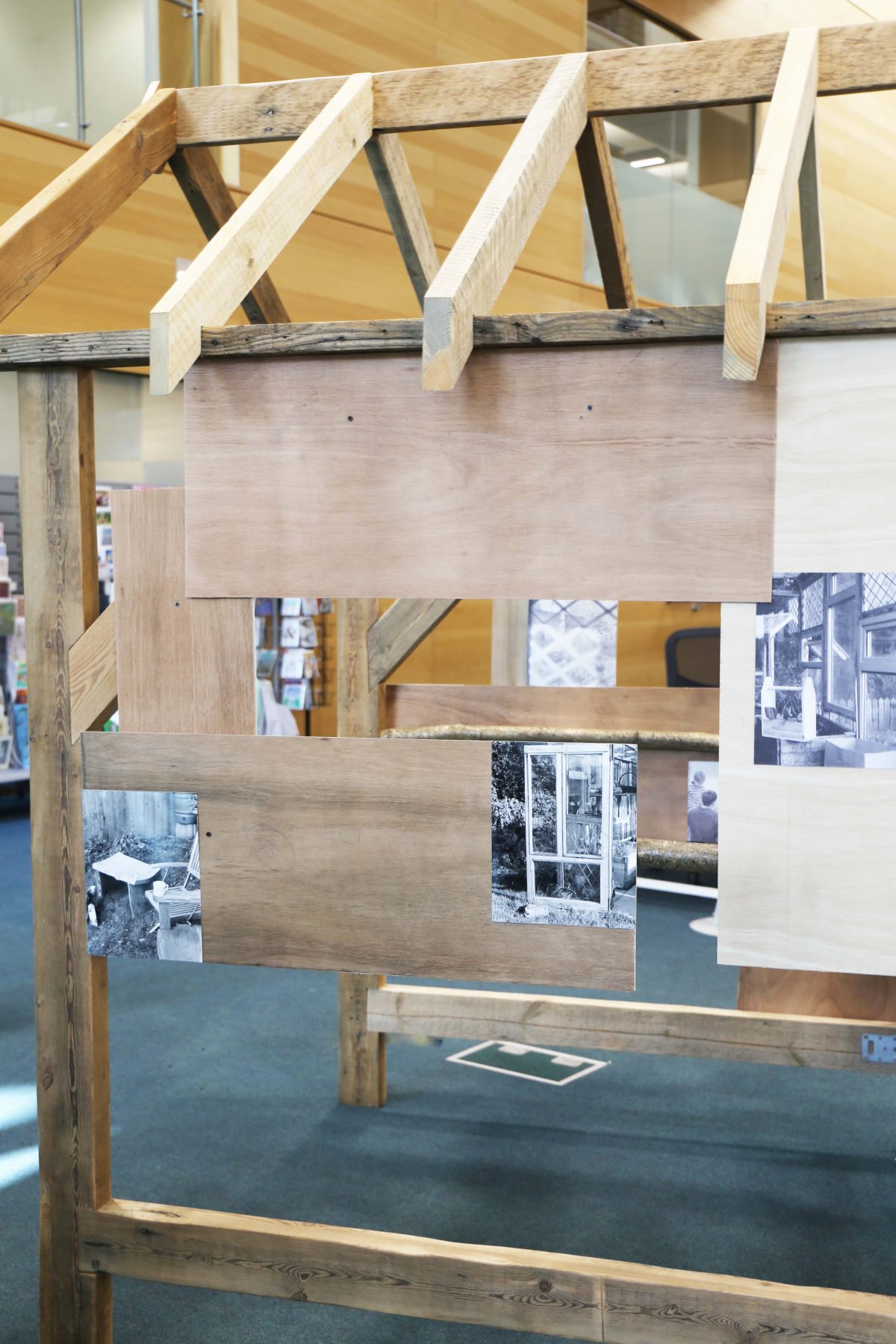
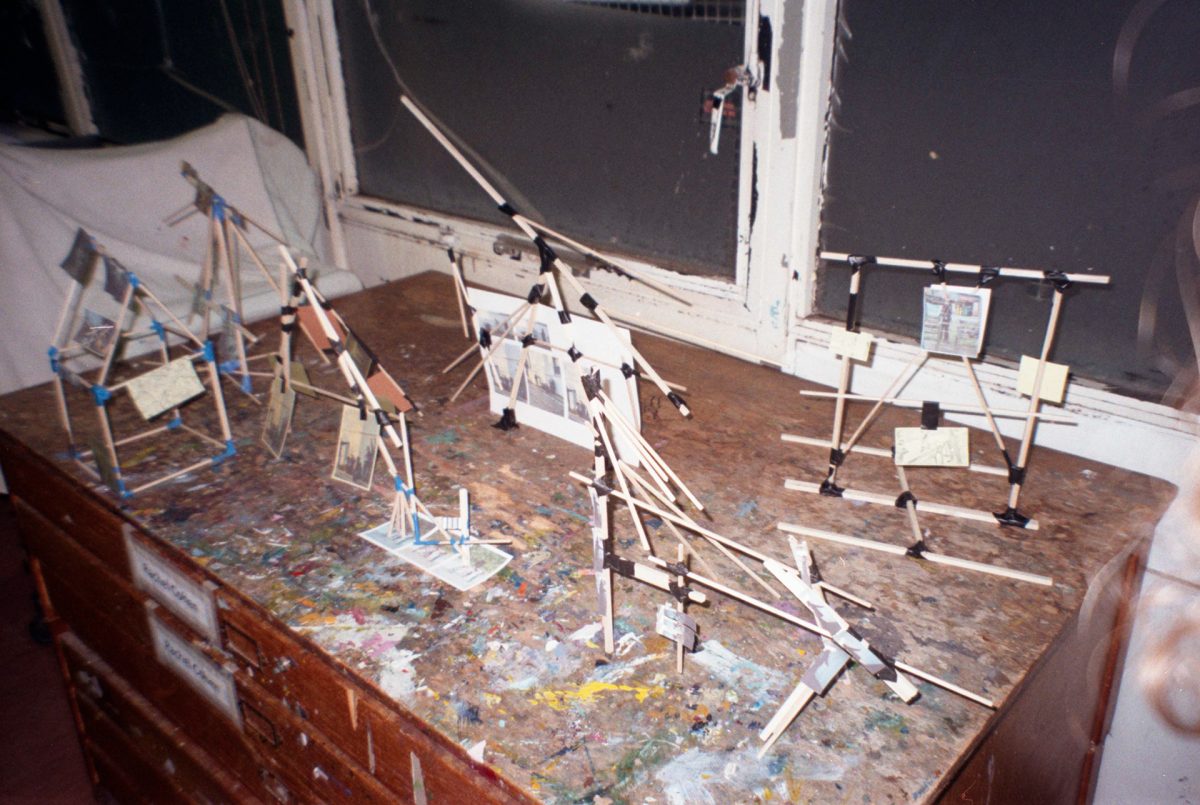
Using the idea of a house or structure as your starting point, work together to make a small-scale version (maquette) of your imagined community space.
Use cardboard, sticks, paper, wood, fabric, found objects or other materials to create the ‘foundations’ of a structure. It could be a workshop space, a library or something in between.
Think about the things that would make this space feel welcoming, useful or safe. How might you show this using the image you made together in Activity 1?
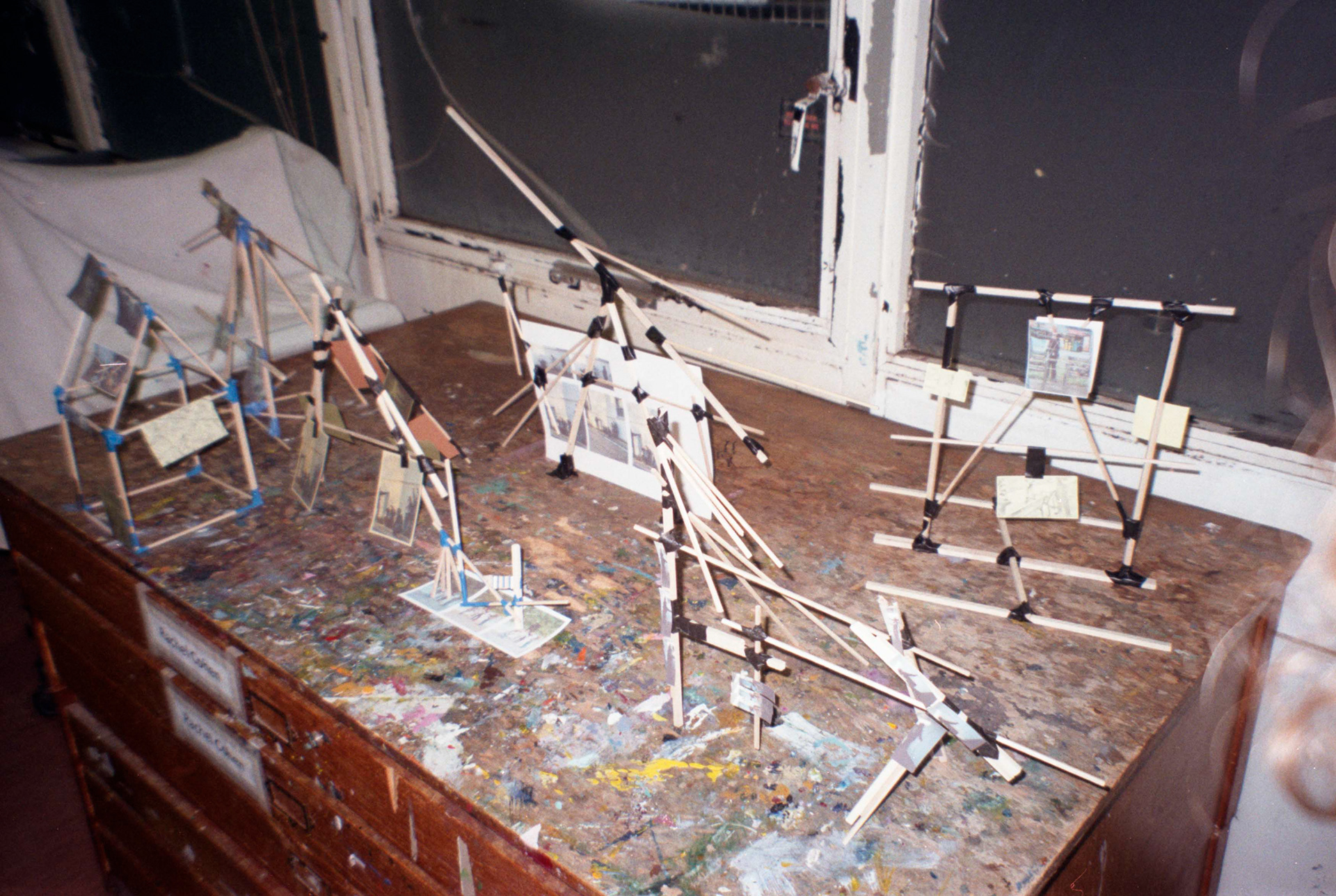
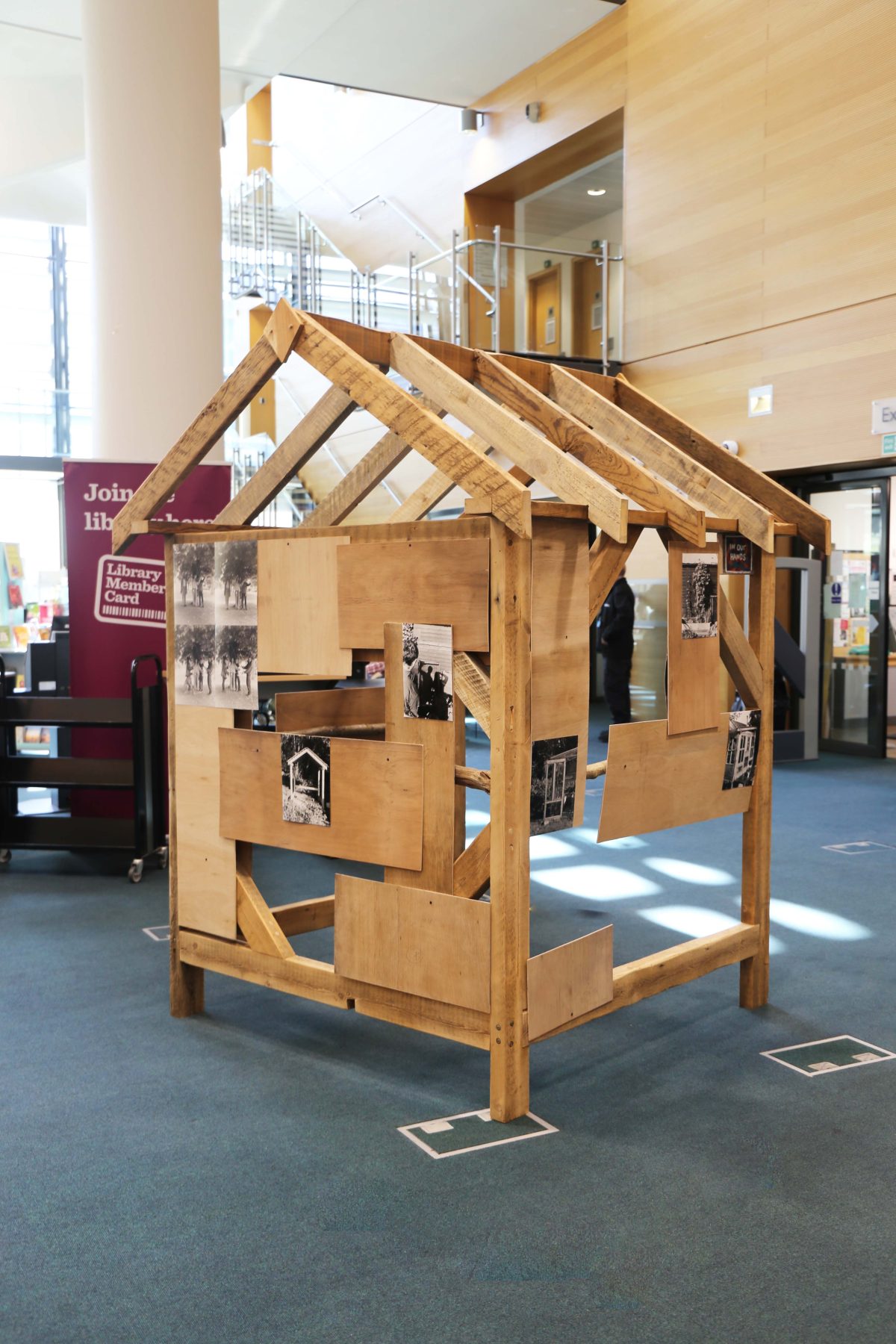
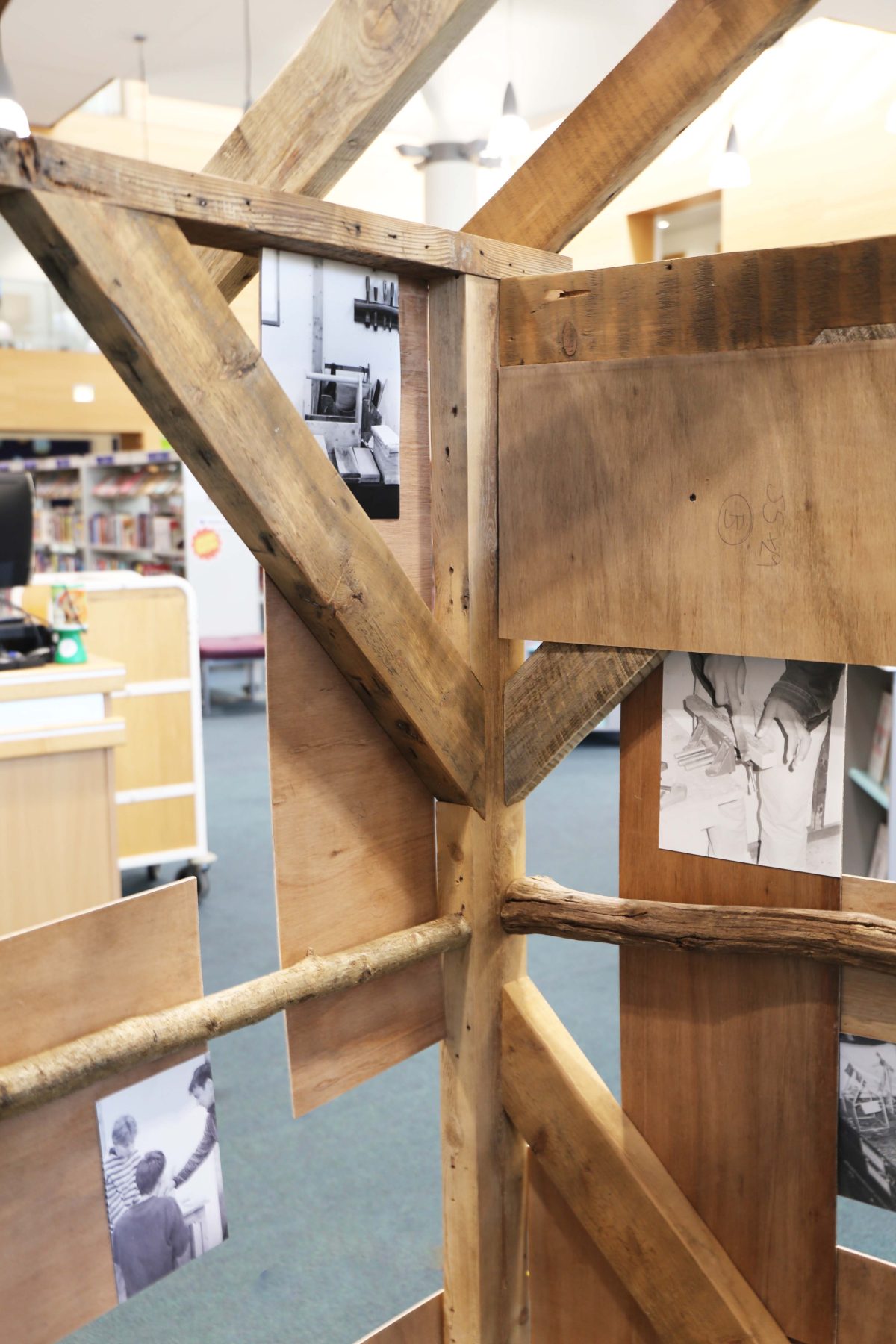
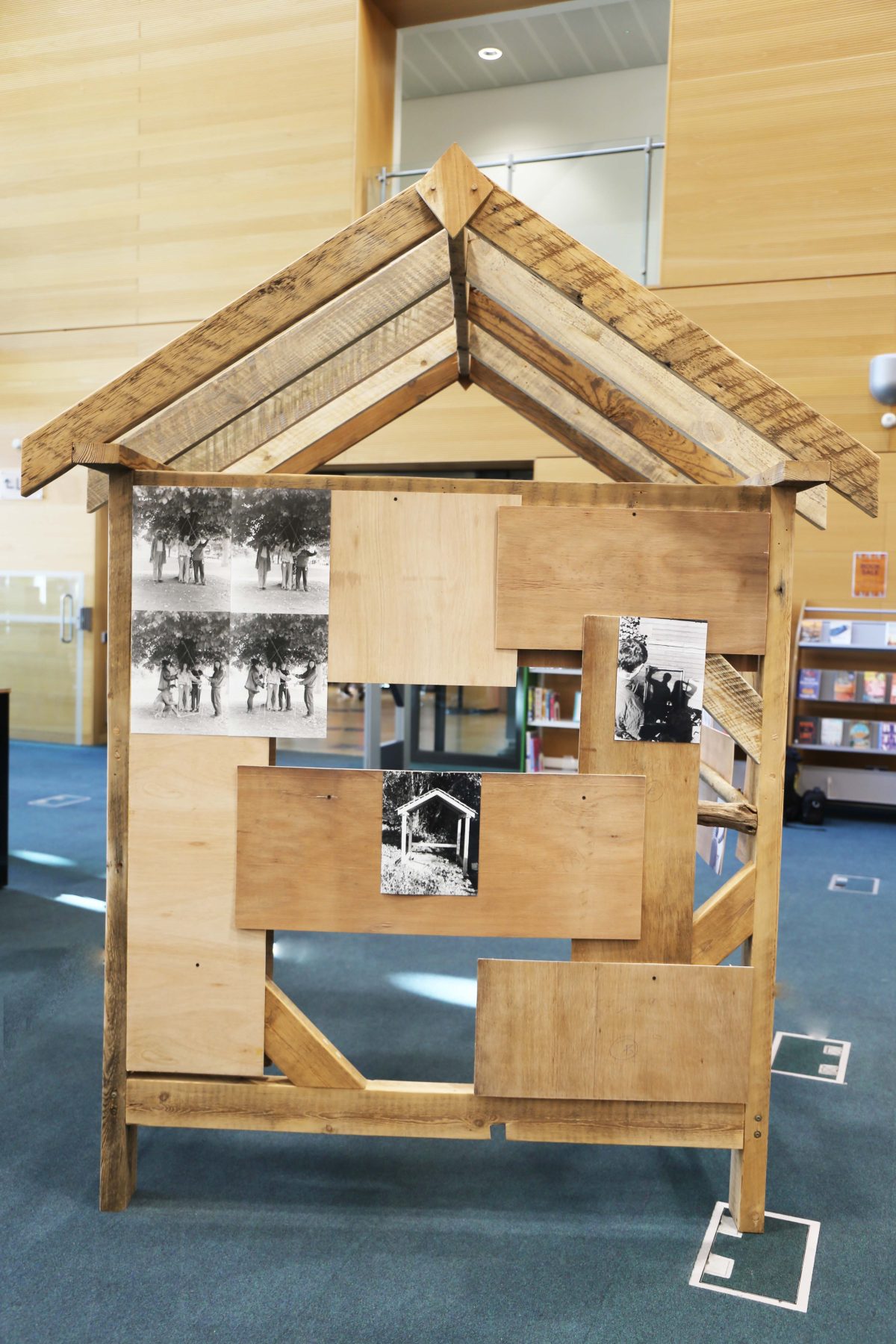
Once you’ve assembled your mini structure, print out the images from Activity 1 and fix them to the structure, as in the image below.
Crop, cut and reinterpret these images. How do they look when they are stuck onto the structure as a collage? Or do you want to keep them in image order if you photographed the making process in steps, as in the example from Activity 1? Do the images cover the whole structure, becoming a kind of image ‘wall’, or are they punctuated around the wooden corners or other elements?
Once you have finished creating your structure and added the images, try photographing it against a neutral backdrop, such as a roll of white paper or an empty corner of your classroom.
Reflection
Look back at the photographs and structure you have made. What do they tell you about the kind of space you have imagined or reflected on?
What has changed between the space you imagined at the beginning and the one you have made?
Think about how building something together can also be a way of building relationships through sharing skills and imagining different ways of being together.
- What does your ‘house’ or structure tell us about the kind of community you would like to be part of?
- What knowledge or resources have you shared while making it?
- Why might queer people create their own spaces rather than using spaces that already exist?
- How might the space you have imagined connect to longer histories of queer community building?
Key terms
Queer Queer can describe a sexual or gender identity that falls outside traditional, binary societal norms. As a verb, ‘queering’ can mean to disrupt, question or deconstruct those same norms.
Anti-capitalist
Ideas or ways of working that question a system based on making profit and competing with one another. Sharing skills, tools and knowledge, making things together, repairing and supporting each other are examples of ways people can work outside this system.
Maquette
A small, usually handmade model of a larger structure, building or artwork. Making a maquette allows you to experiment with ideas and shapes before making something at full size.
Further links
Rebel Dykes at Greenham Common
Carmen Winant and Carol Newhouse – Sharing Circles exhibition
About the contributor
Eva Jonas is a London-based visual artist and educator whose practice explores the body as a site of mediation through which we experience, move through and relate to landscape, particularly within queer and feminist contexts of space-making.
Recent exhibitions include Within the Around at Camden Art Centre. She co-facilitated do step on each other’s toes, a project developed with Kairo Urovi through Queer Grounds, as part of Where We Touch the Archive at VOLT with Devonshire Collective. In April 2026, she was an artist-in-residence at Ensō House, Portugal.